UNIT 77
RESIDENTIAL
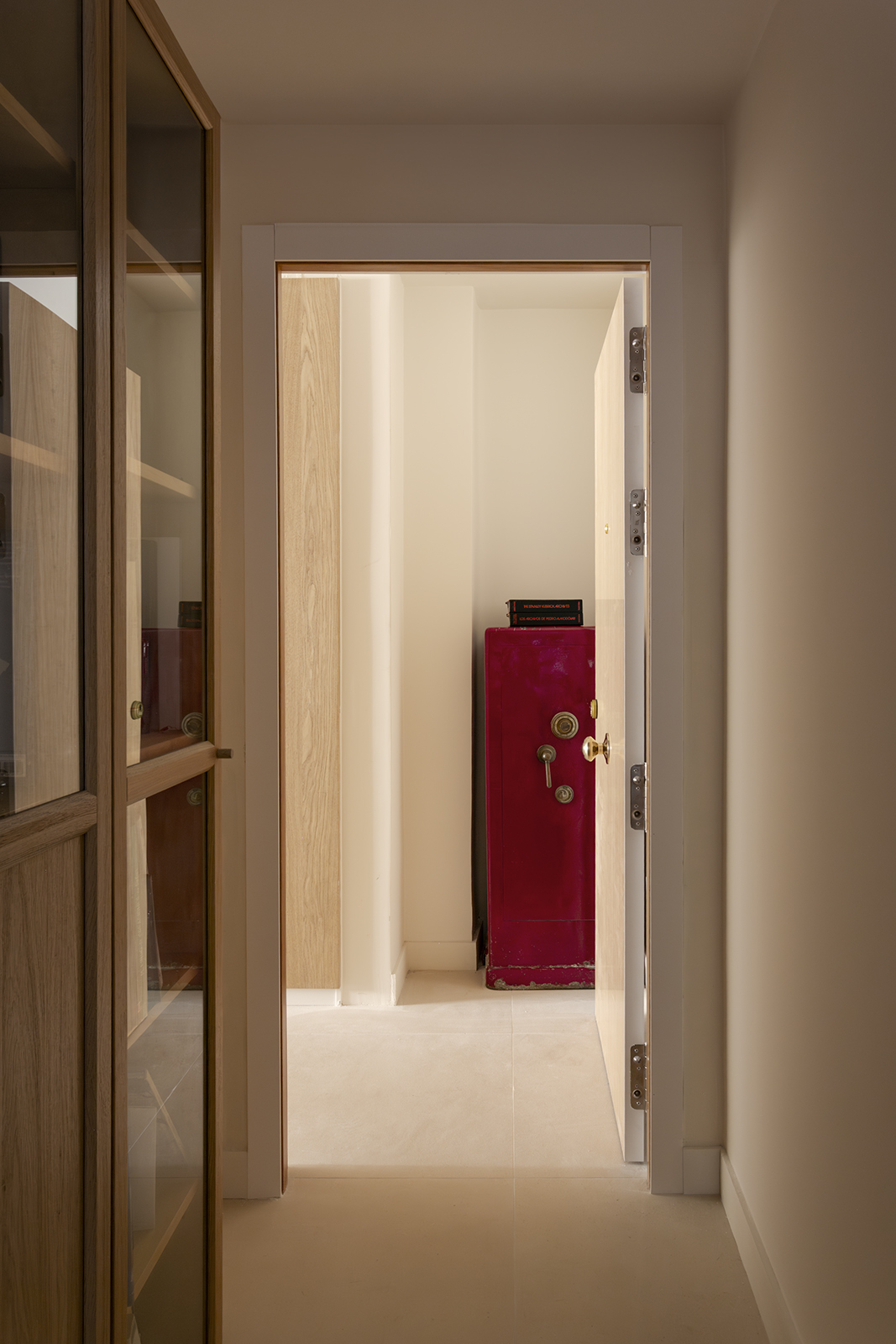
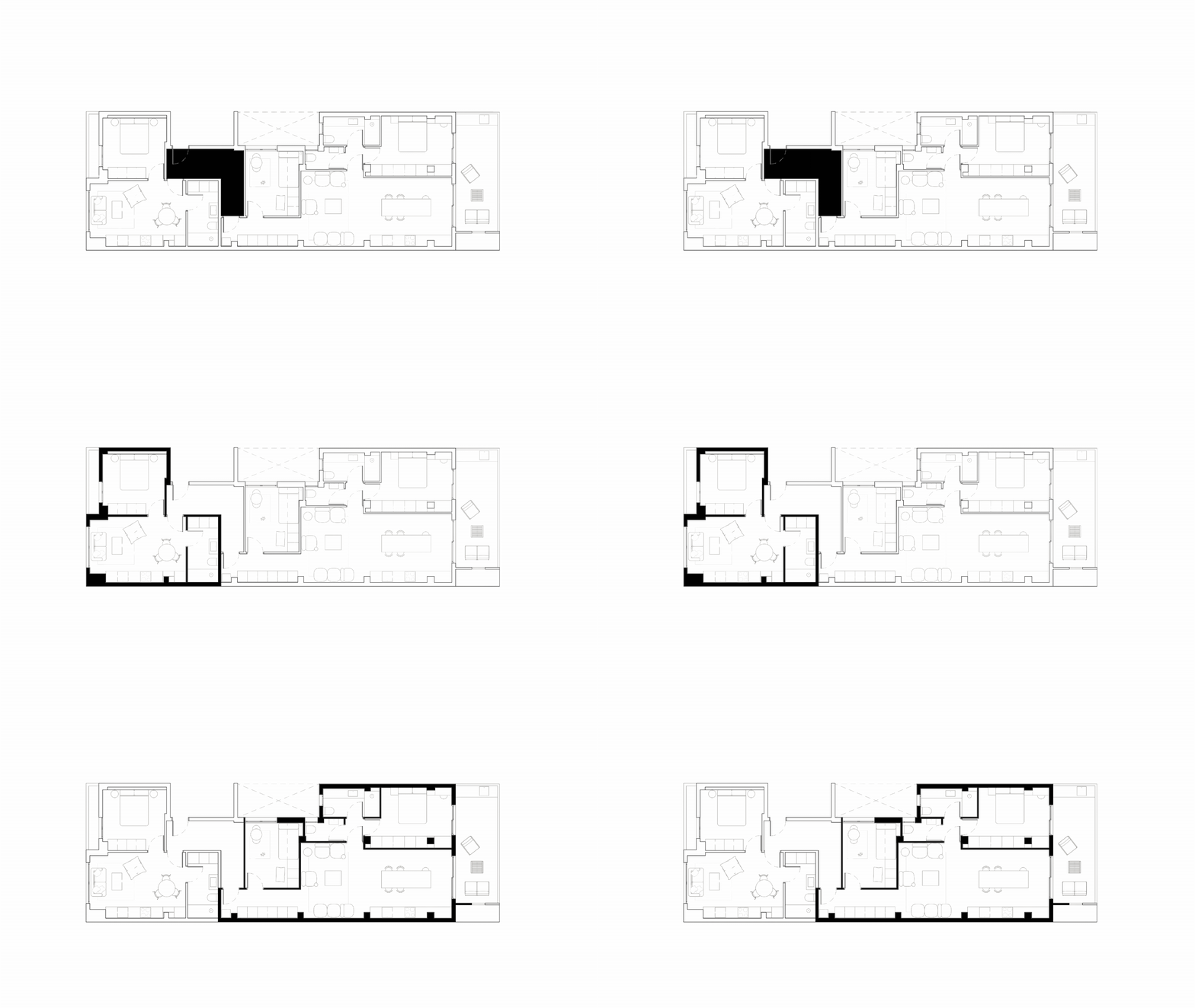
In the heart of Ruzafa, one of Valencia’s most vibrant and eclectic neighbourhoods, this project begins with an idea that is both simple and radical: transforming a single dwelling into two independent homes, subtly articulated through a shared interior entrance hall. This common threshold not only resolves access to both units, but also reclaims the traditional figure of the patio or entrance vestibule as a space of transition, pause and encounter: an in-between place, suspended between the private and the collective.
The intervention is also rooted in a family story: a home inherited after the mother’s passing, which was ultimately divided into two for two siblings, allowing them to live independently without severing their bond to the place. At a time when Spain is experiencing one of its greatest tensions around access to housing—within an increasingly unaffordable market—this solution becomes a deeply contemporary gesture.
In cities such as Valencia, and especially in neighbourhoods under strong real-estate pressure like Ruzafa, prices have risen sharply in recent years: buying has drifted further and further away from real wages, while renting has become a long-distance race. In this context, selling in order to purchase two separate homes was not a viable option, and the process would also have meant a significant financial loss along the way (taxes, agency fees, notary costs, renovation works, moving expenses…).
For this reason, the refurbishment proposes an intelligent and sensitive alternative: sharing an asset without sharing a life, preserving the family property while adapting it to a new chapter.
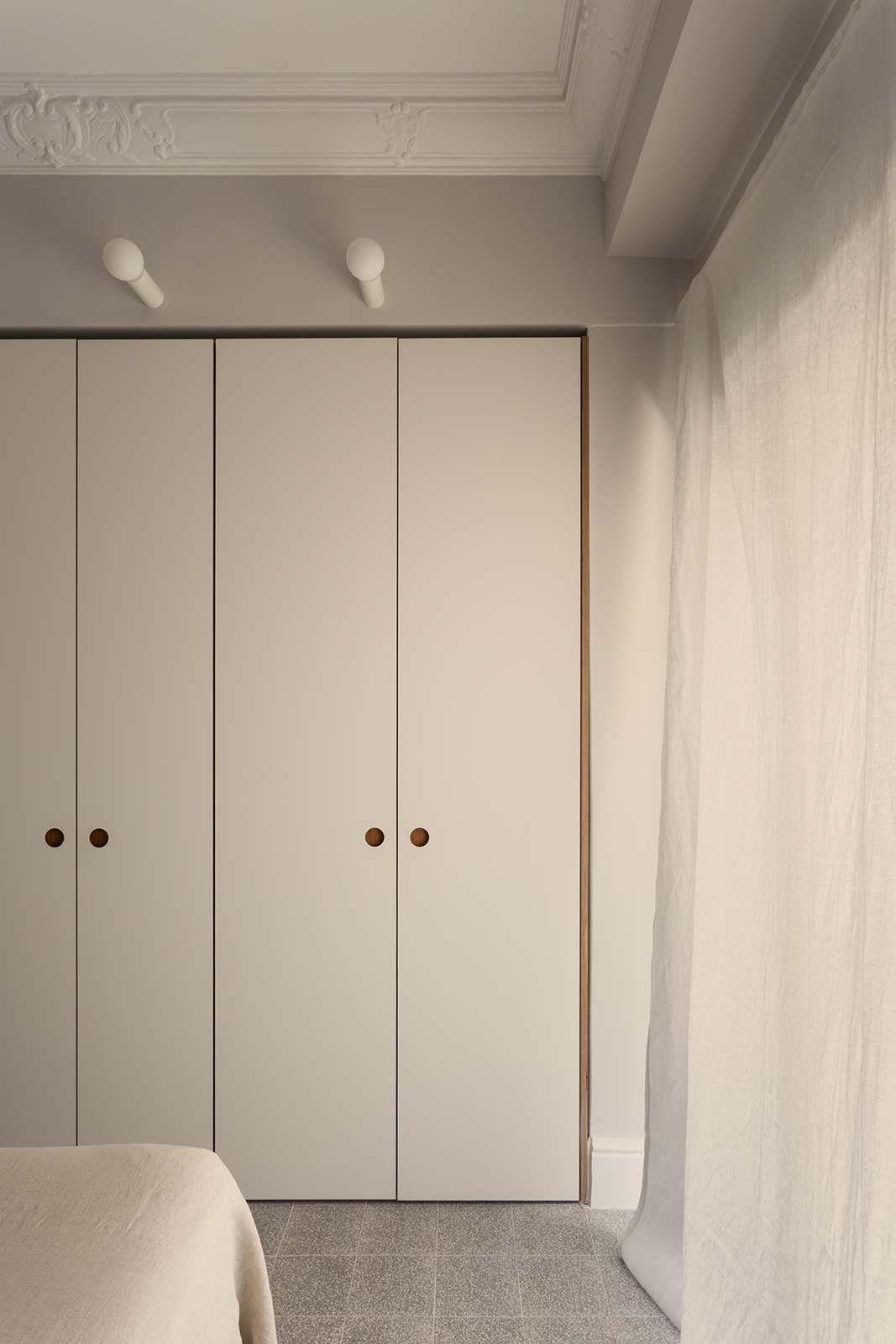
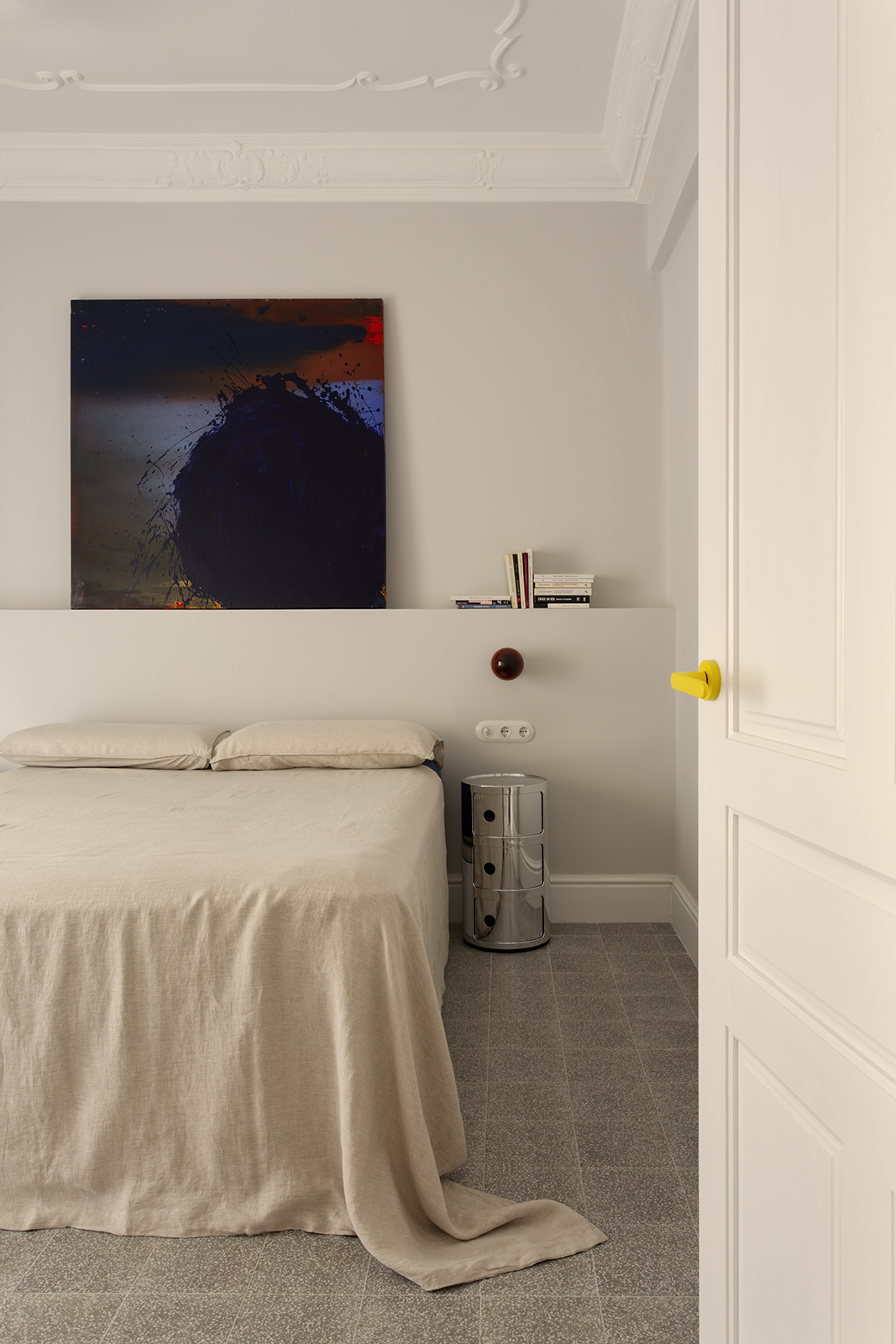
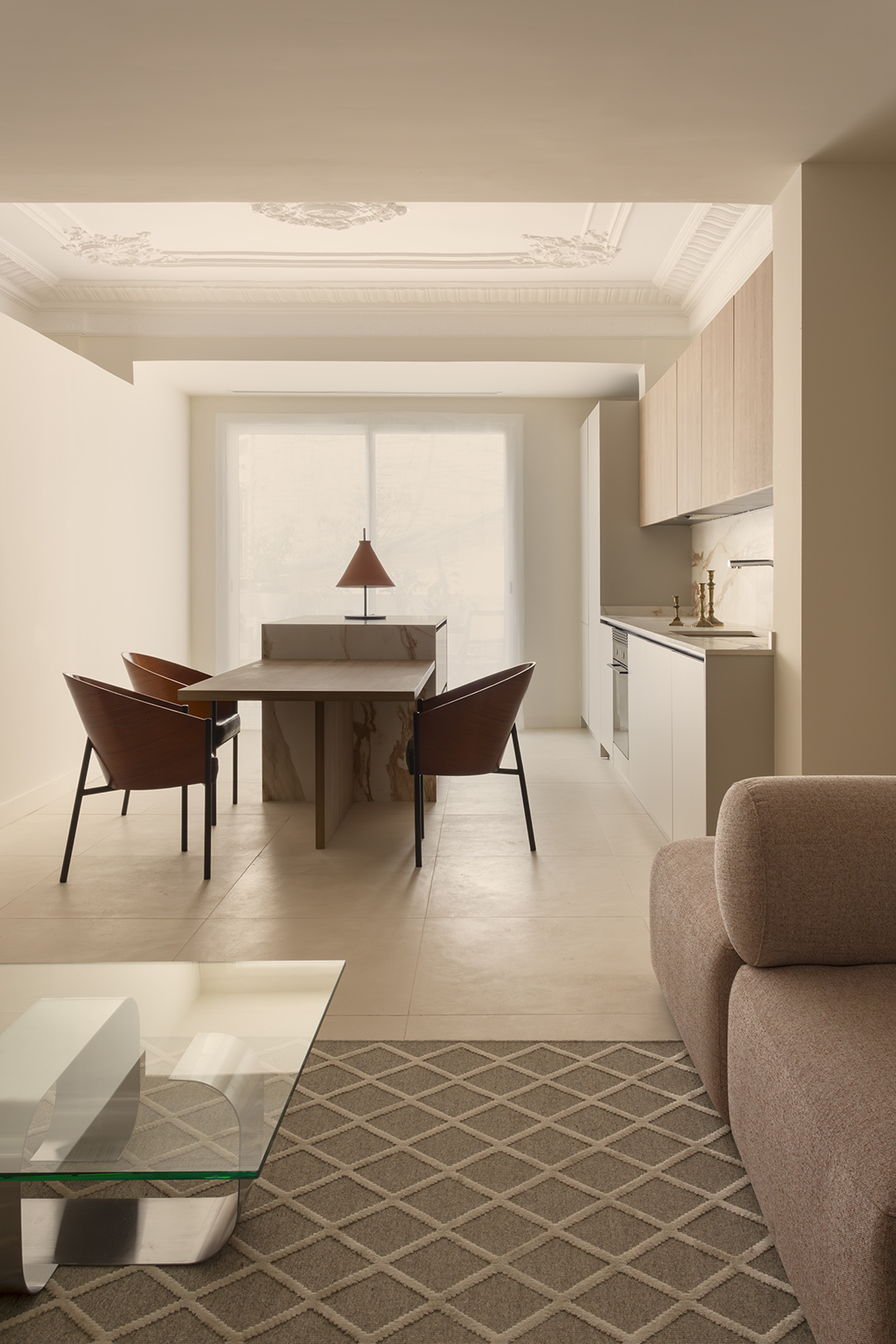
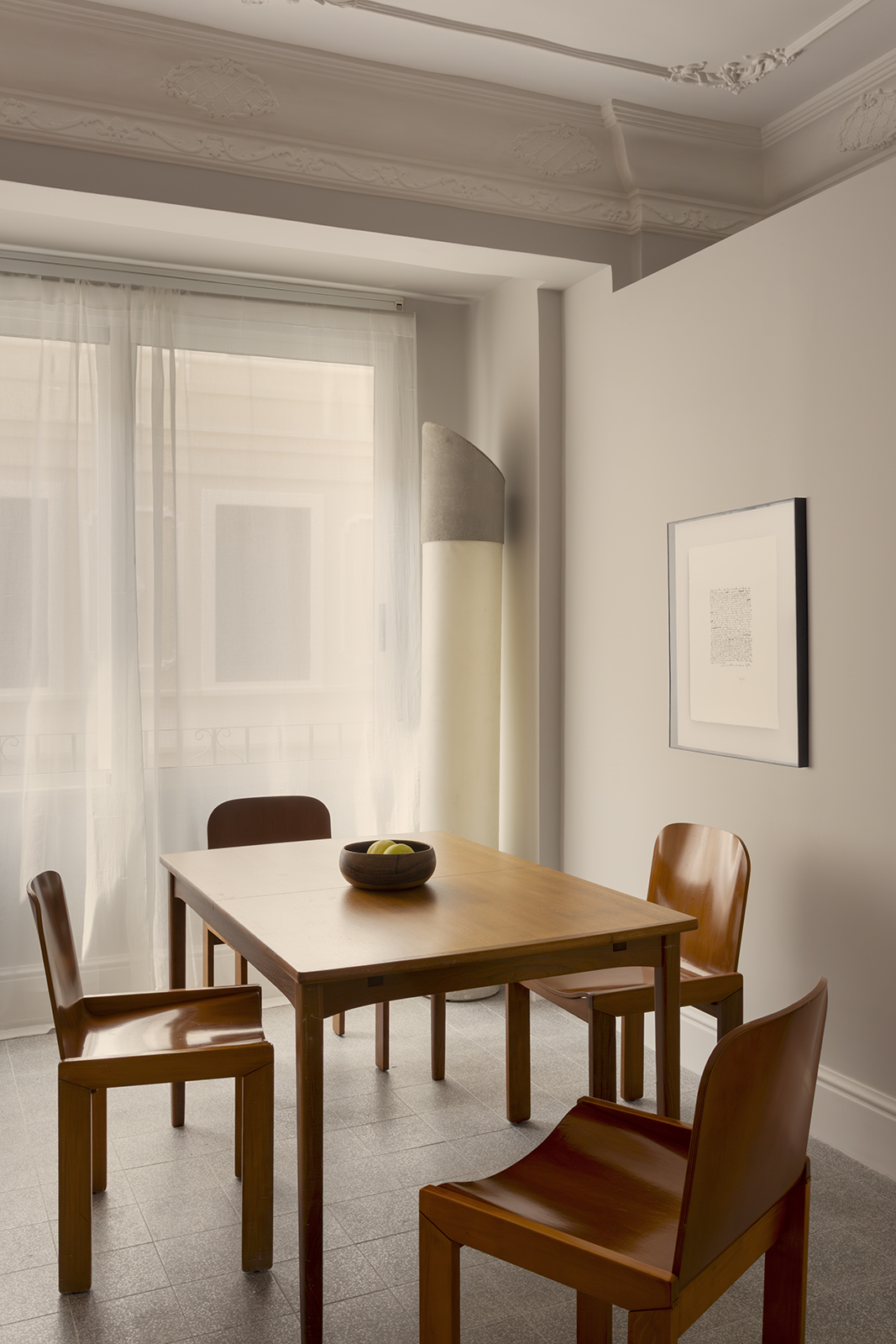
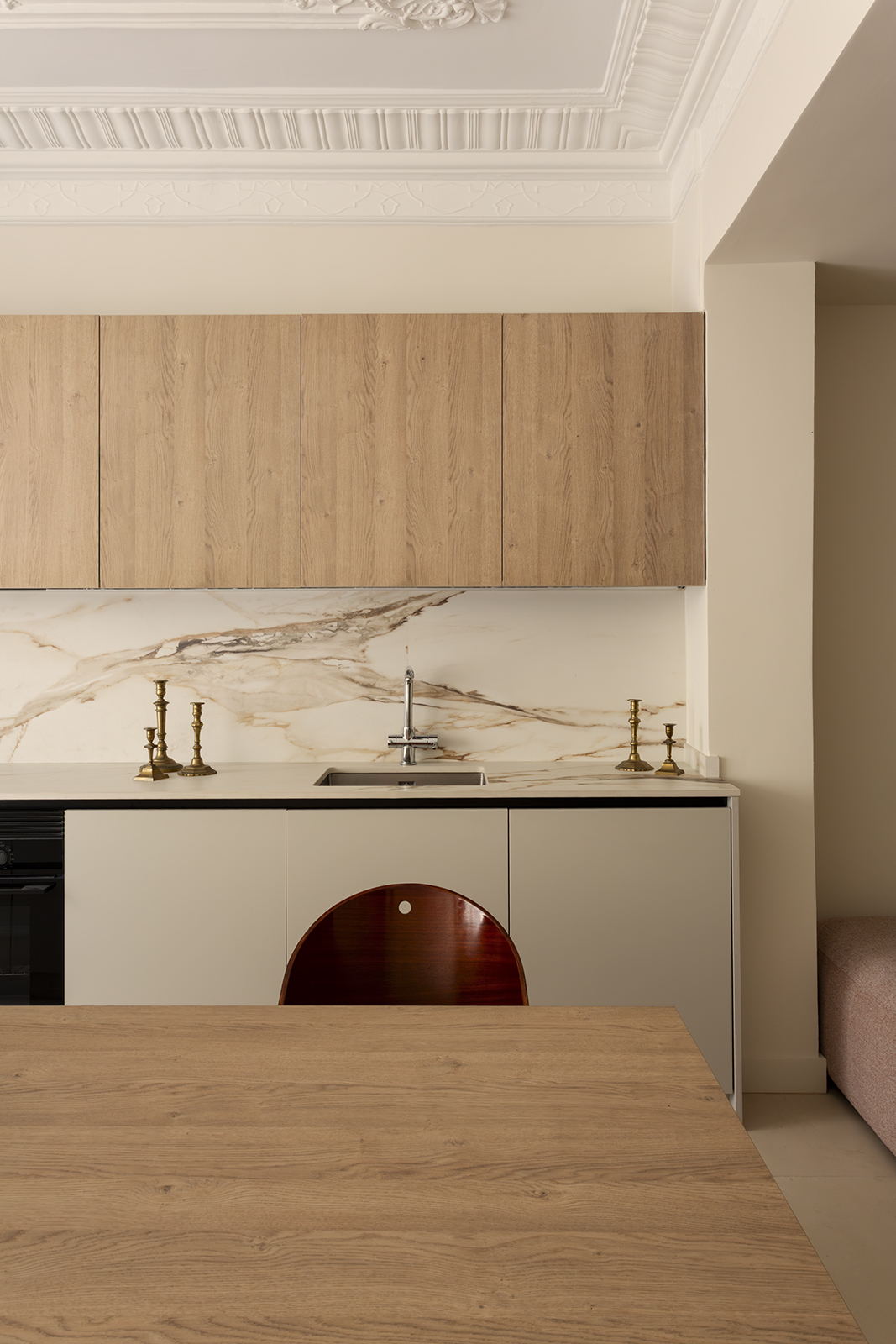
Both homes follow the same design logic: the recovery of pre-existing elements, a restrained use of colour, and bespoke design as a tool for spatial order. The project approaches the duality between the practical and the poetic with care. Original architectural features—such as the carefully restored ceiling mouldings—are preserved in both dwellings as a thread connecting past and present. Yet beyond their heritage value, each unit develops its own identity, shaped by a distinct chromatic and material direction, always in dialogue with its context.
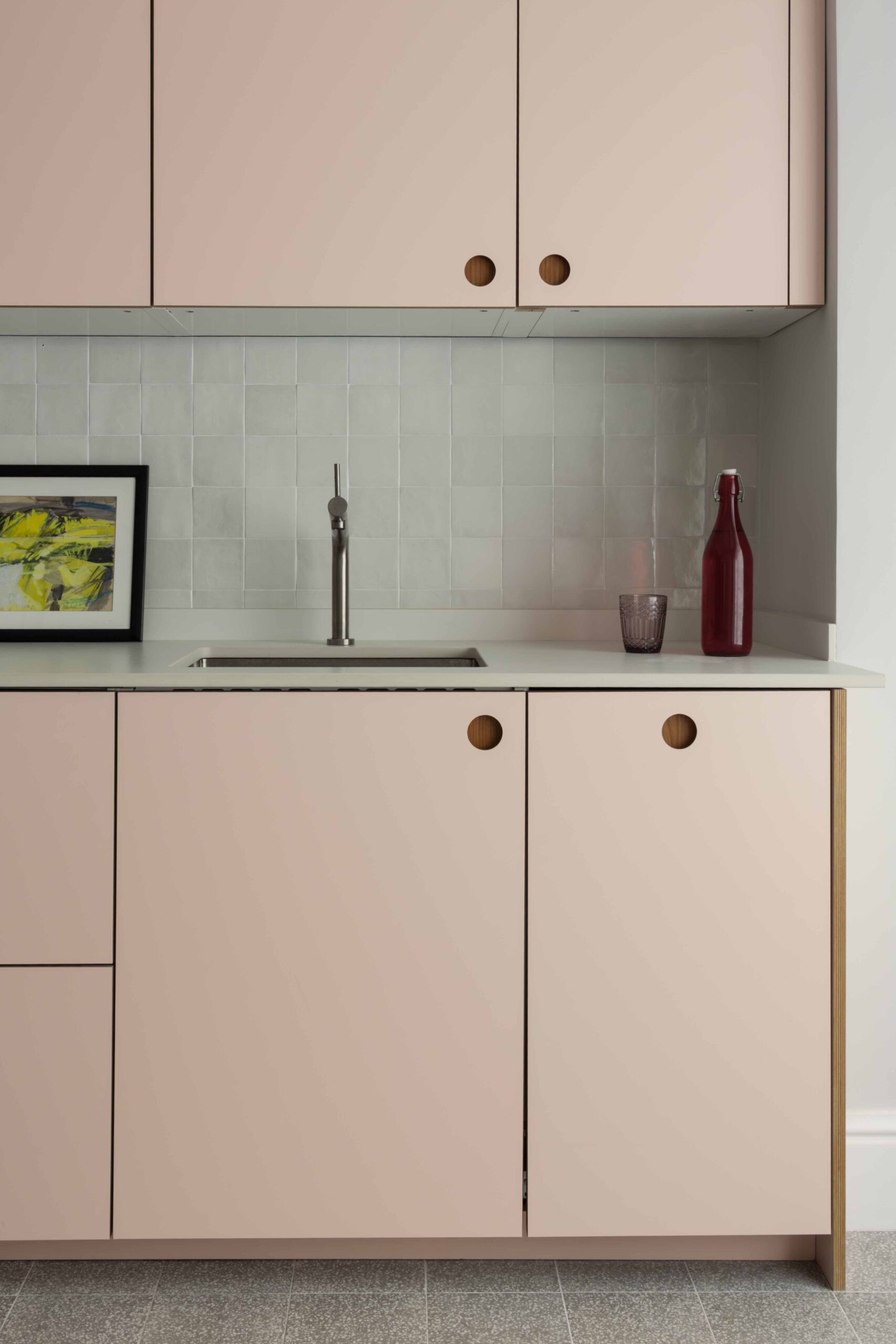
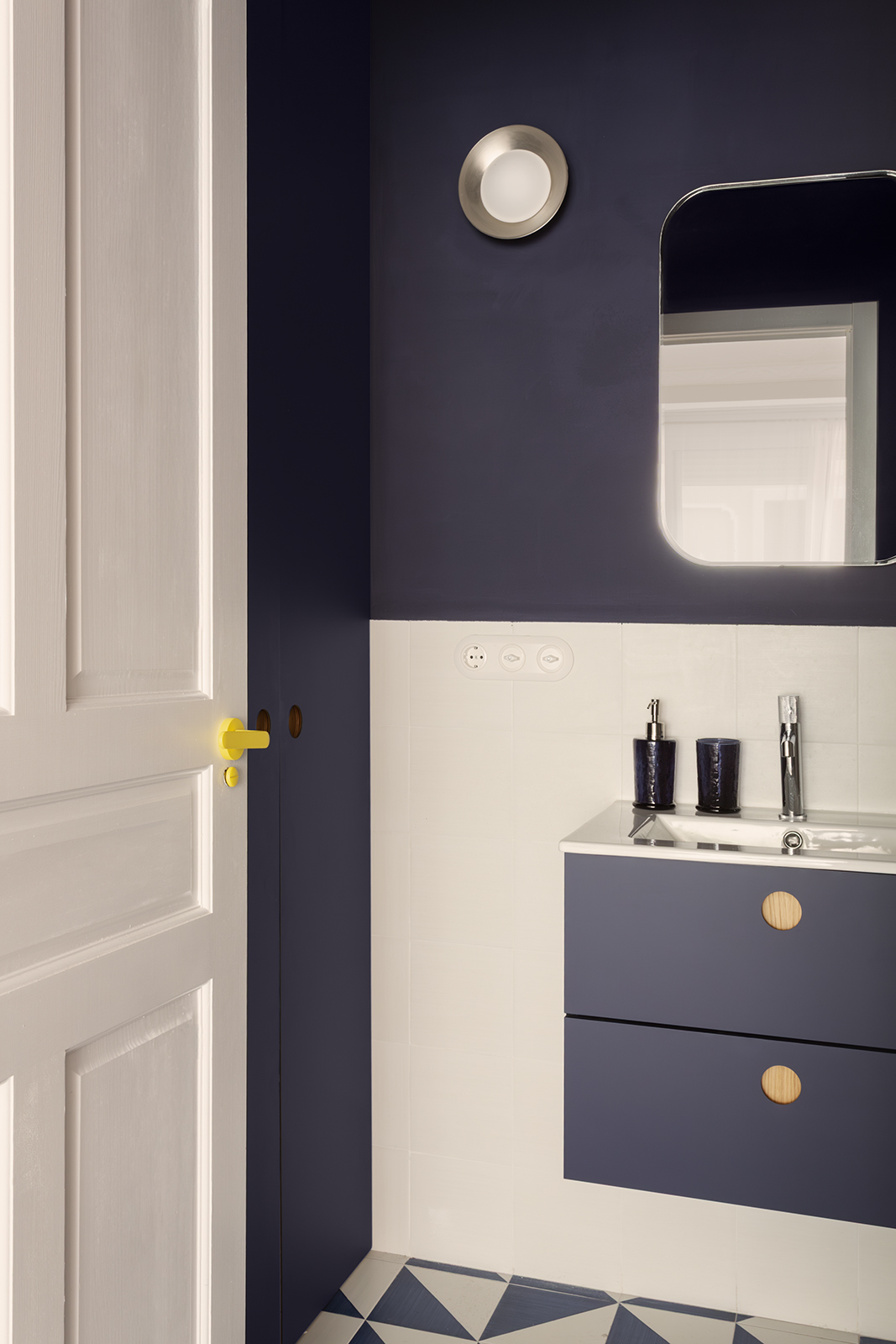
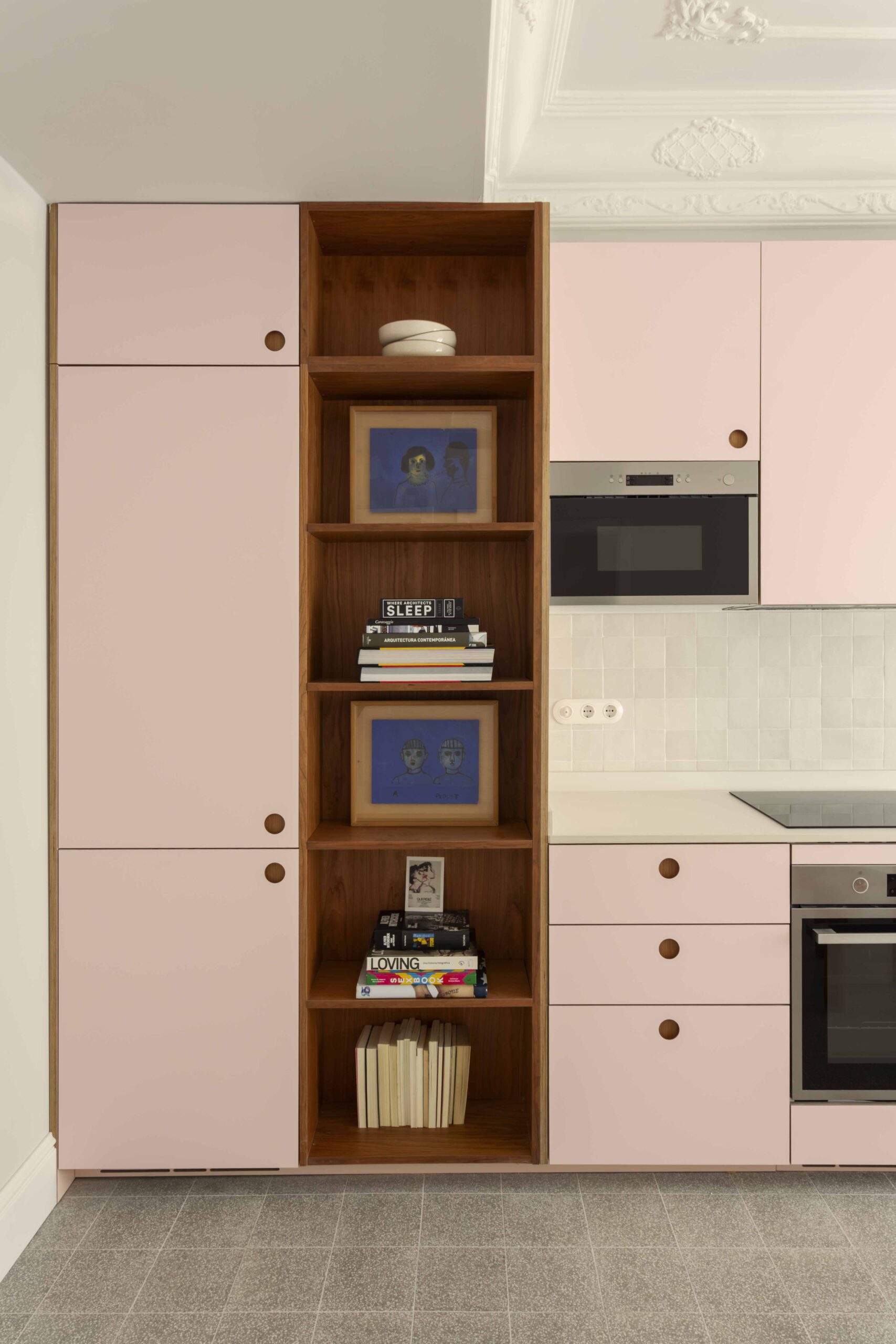
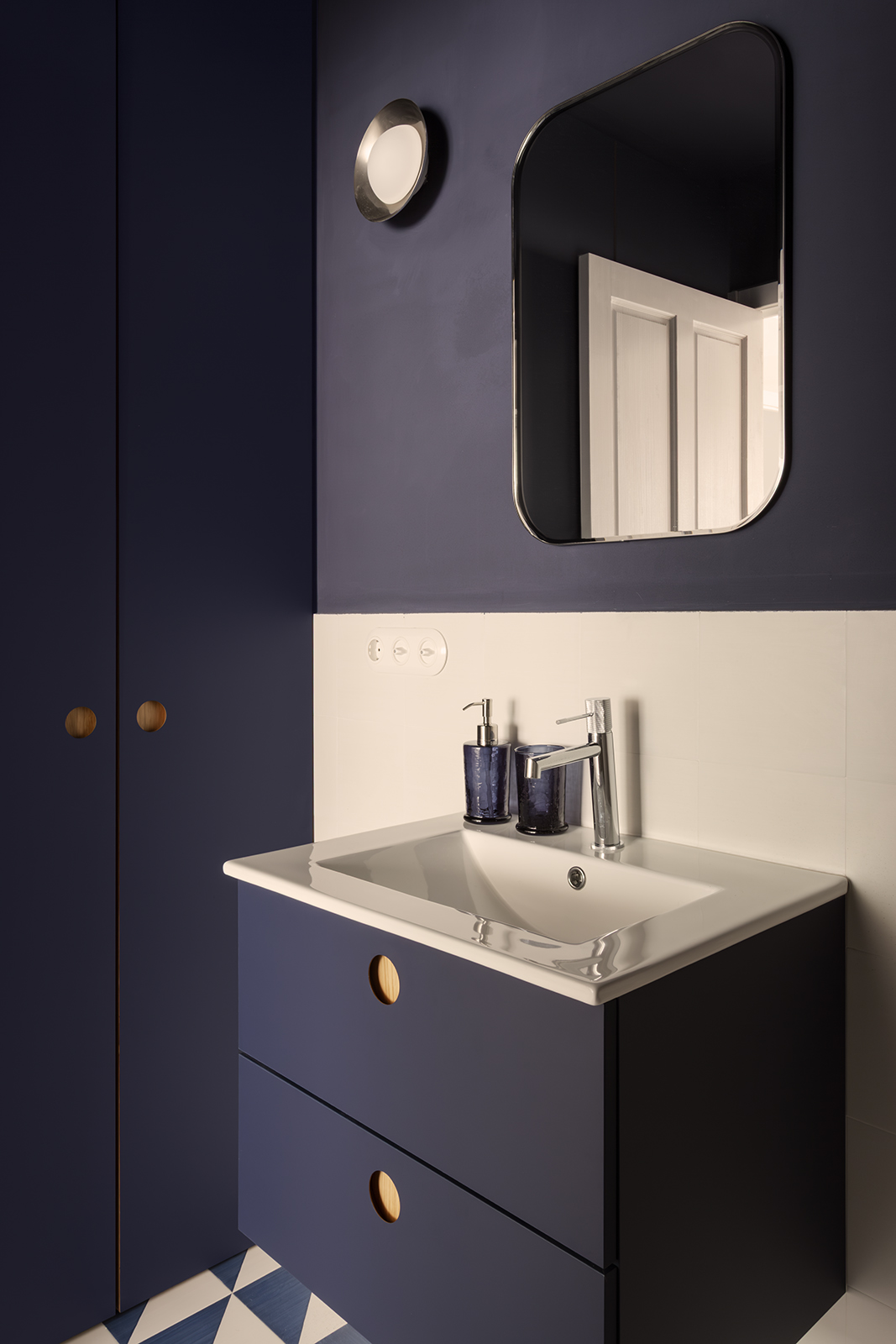
The first home, smaller in size, is organised around a kitchen–dining space, a bathroom (which discreetly integrates the laundry area within a cupboard) and a bedroom. Here, the design language is more expressive and intimate, drawing inspiration from the domestic imagery of the neighbourhood itself. The flooring is resolved with small-format retro terrazzo tiles, paired with a vibrant palette: a pink kitchen sets a festive, welcoming tone; an intense blue bathroom creates a more introspective and private atmosphere; and white furniture in the sleeping area reinforces the hierarchy of uses and spatial clarity.
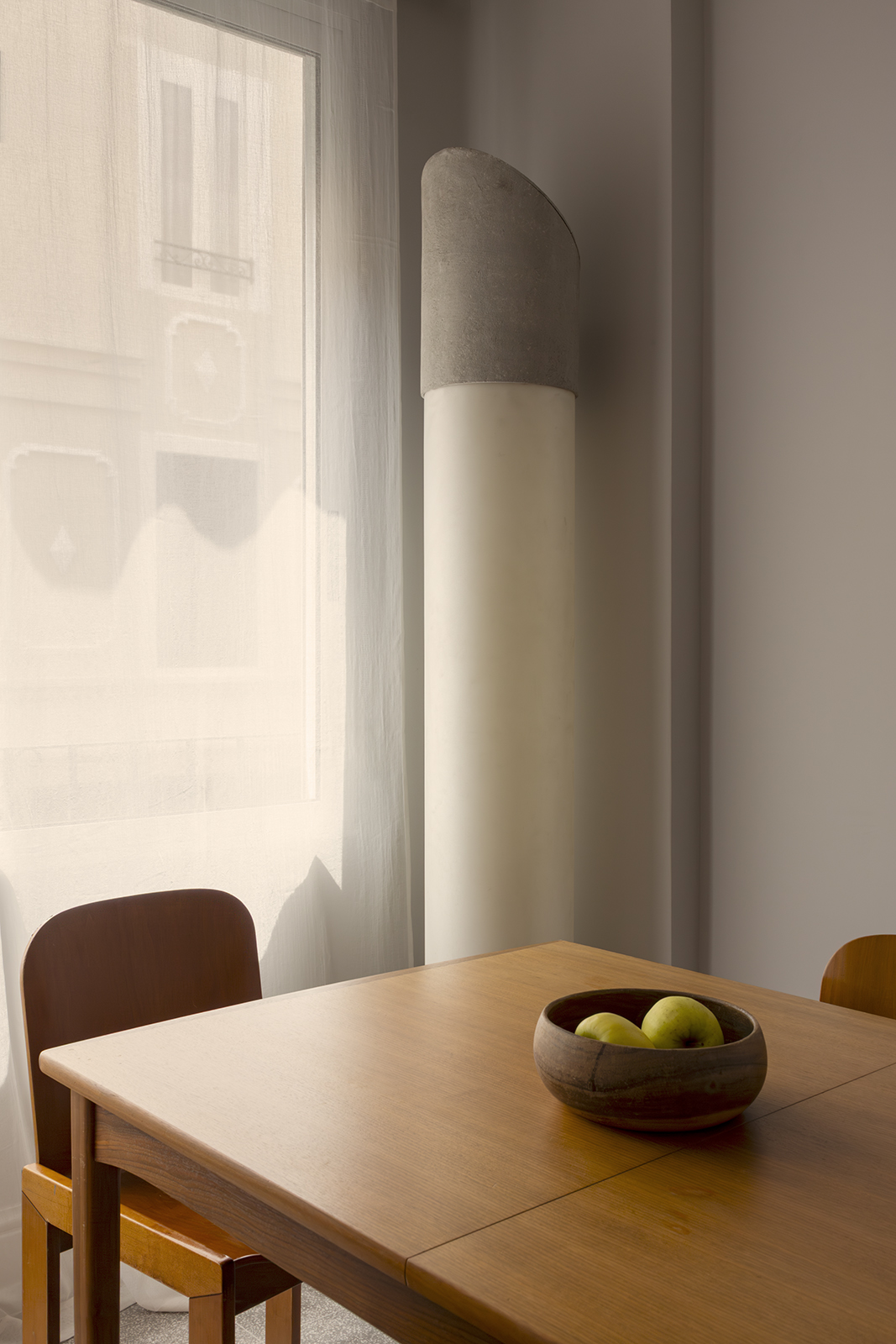
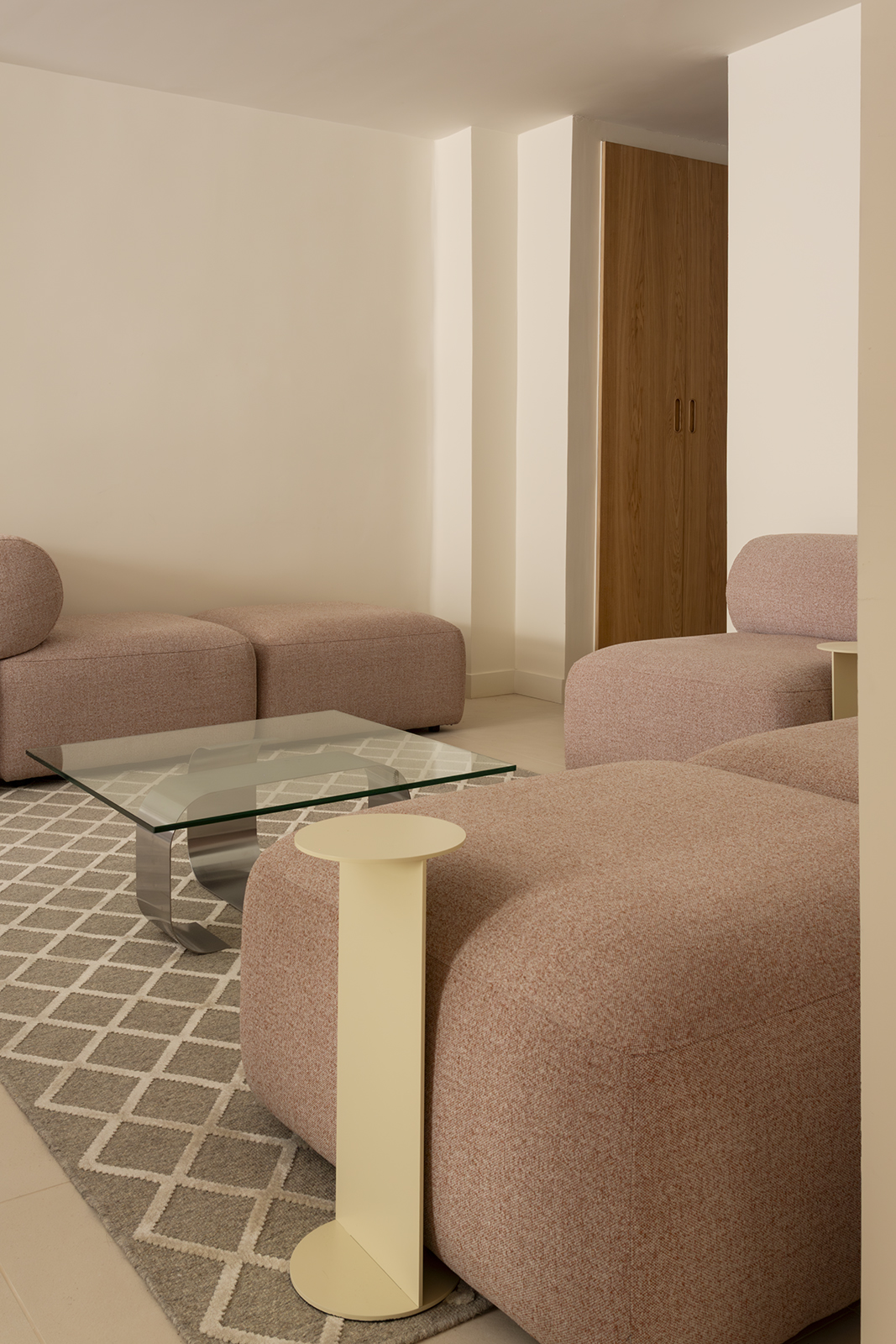
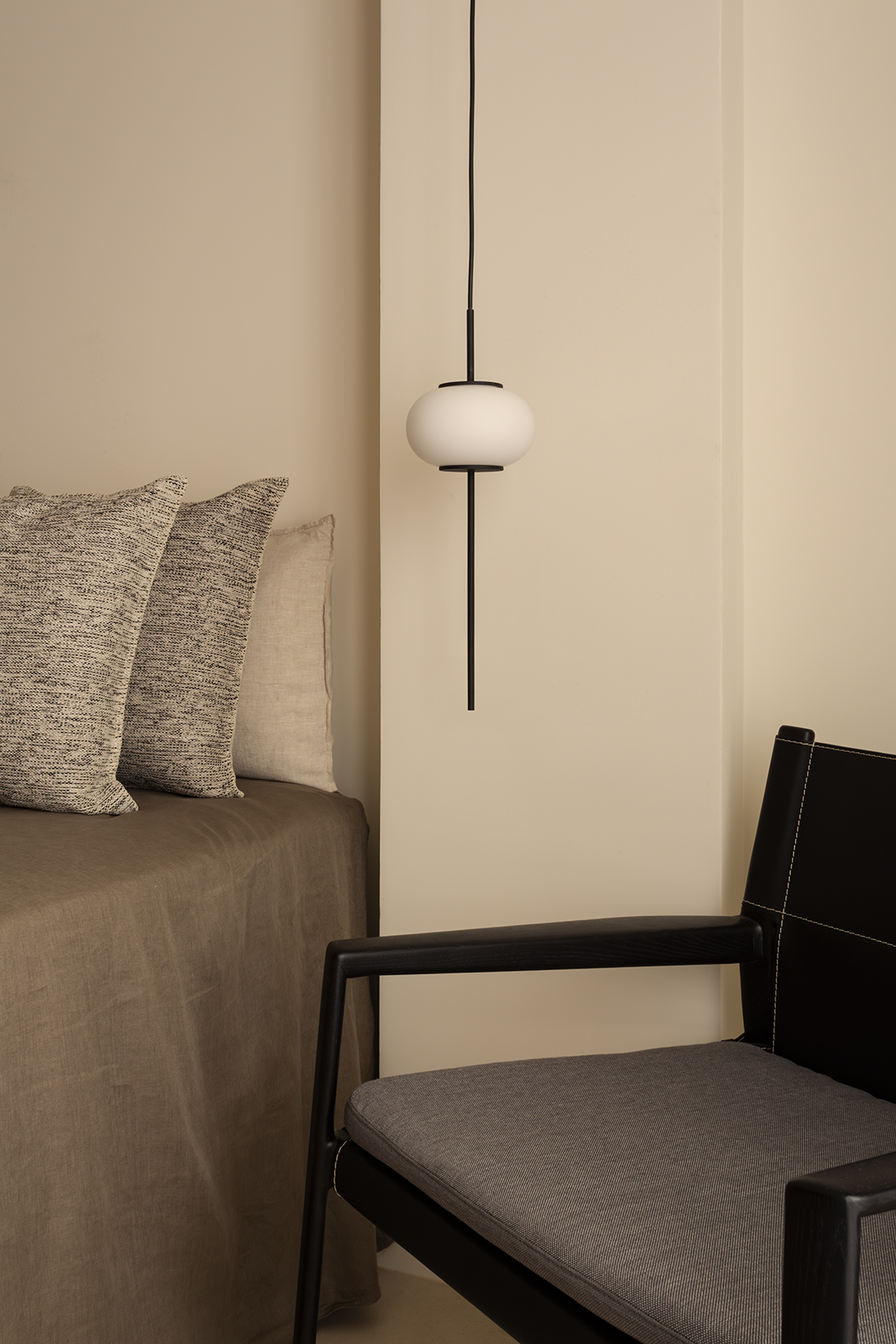
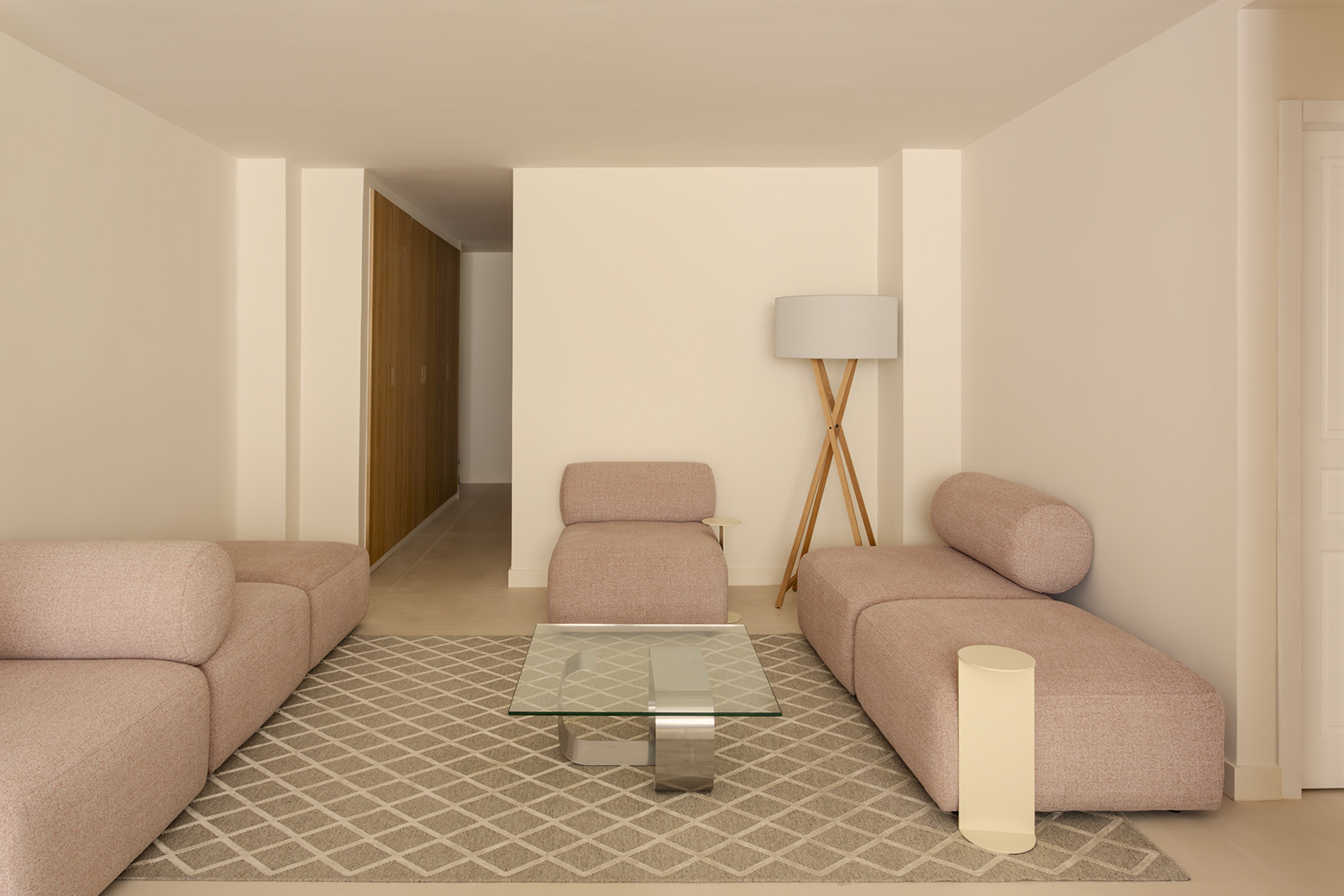
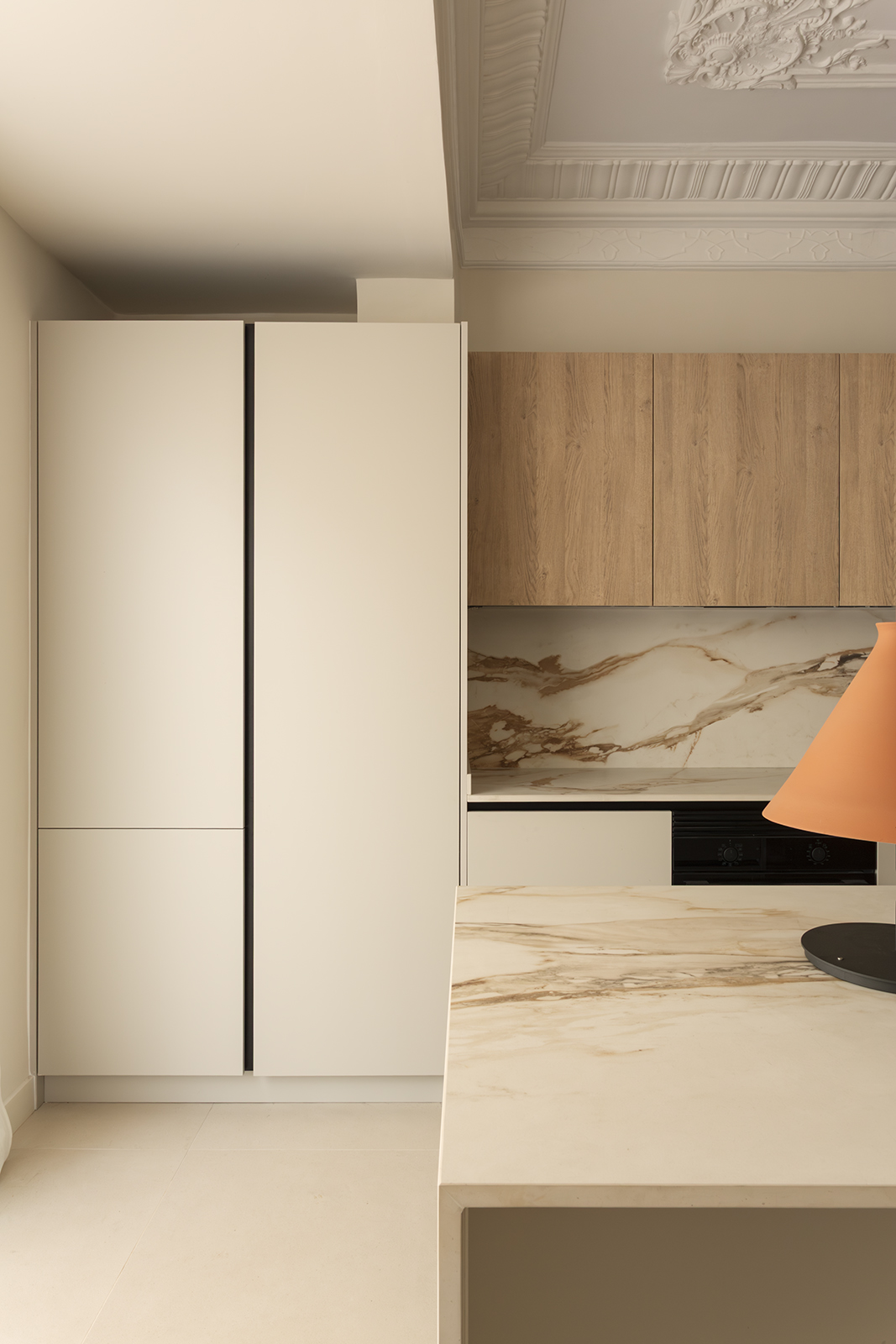
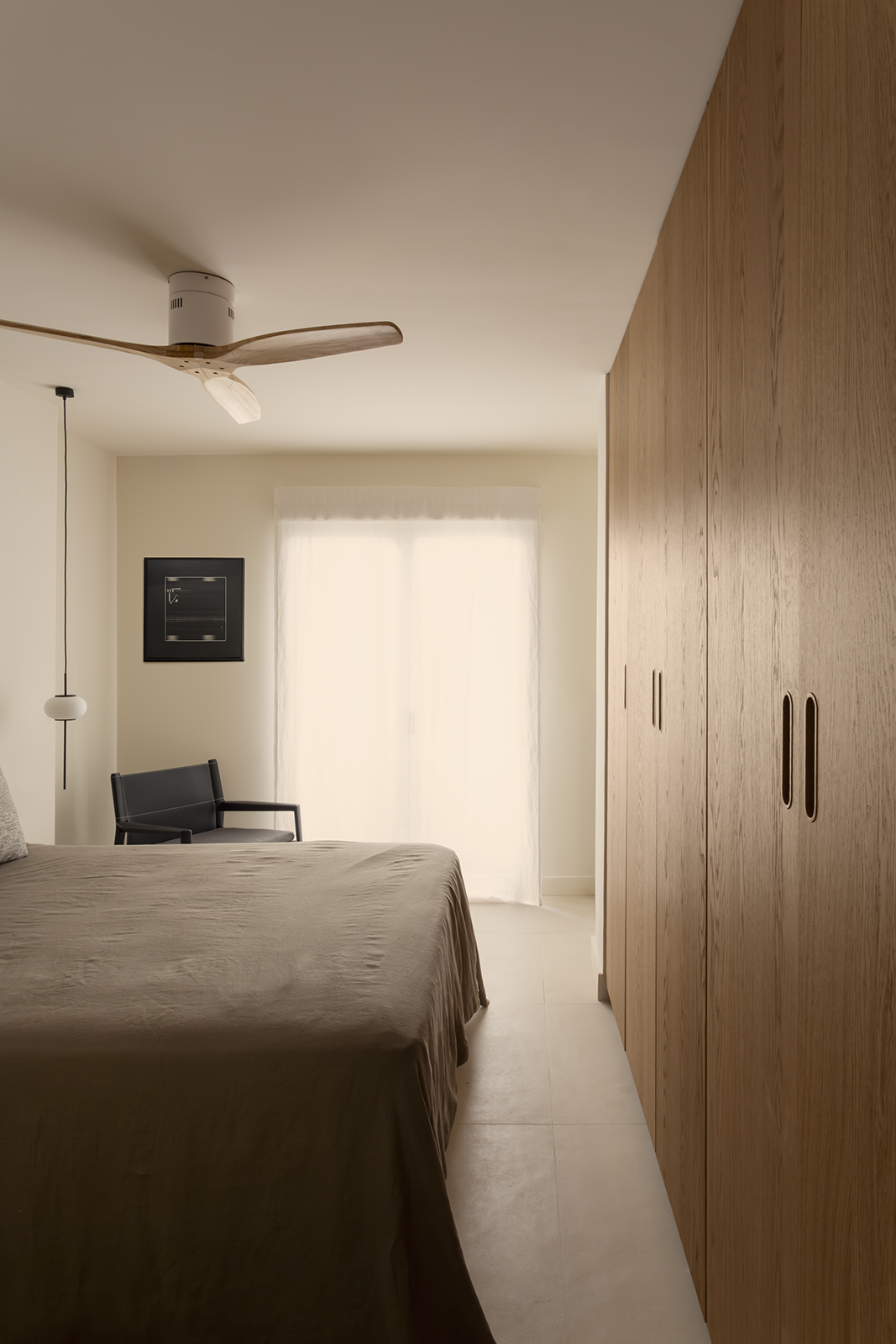
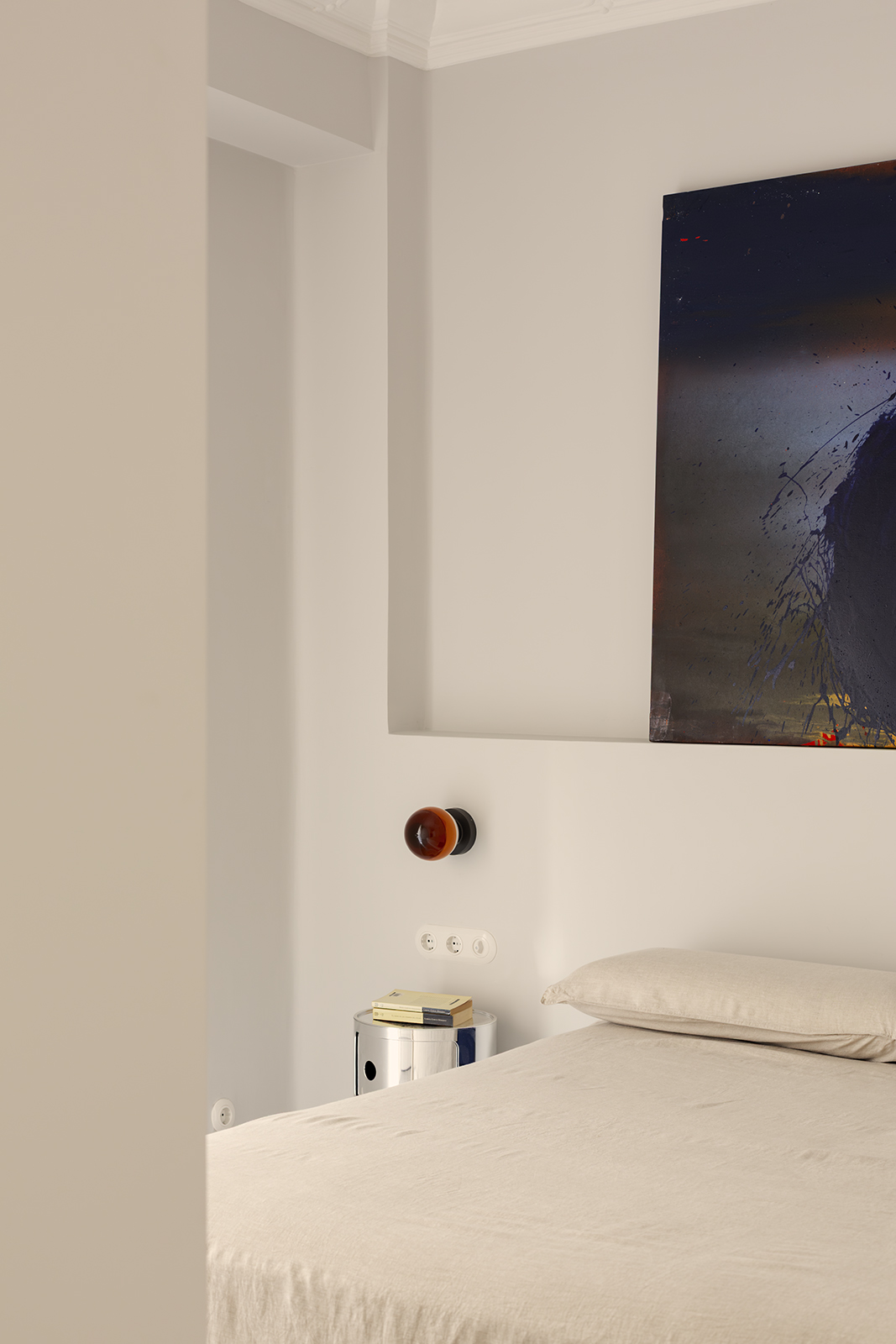
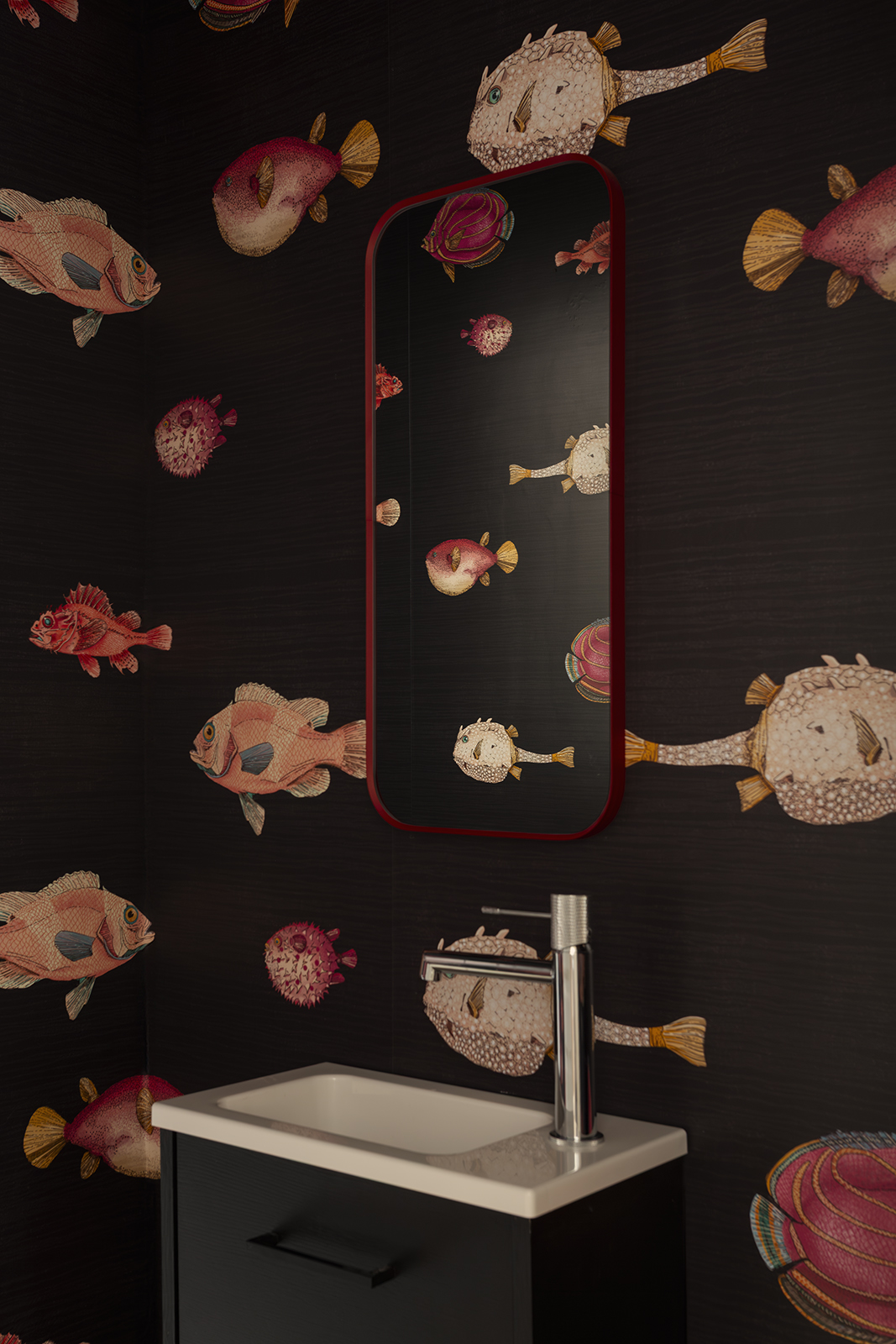
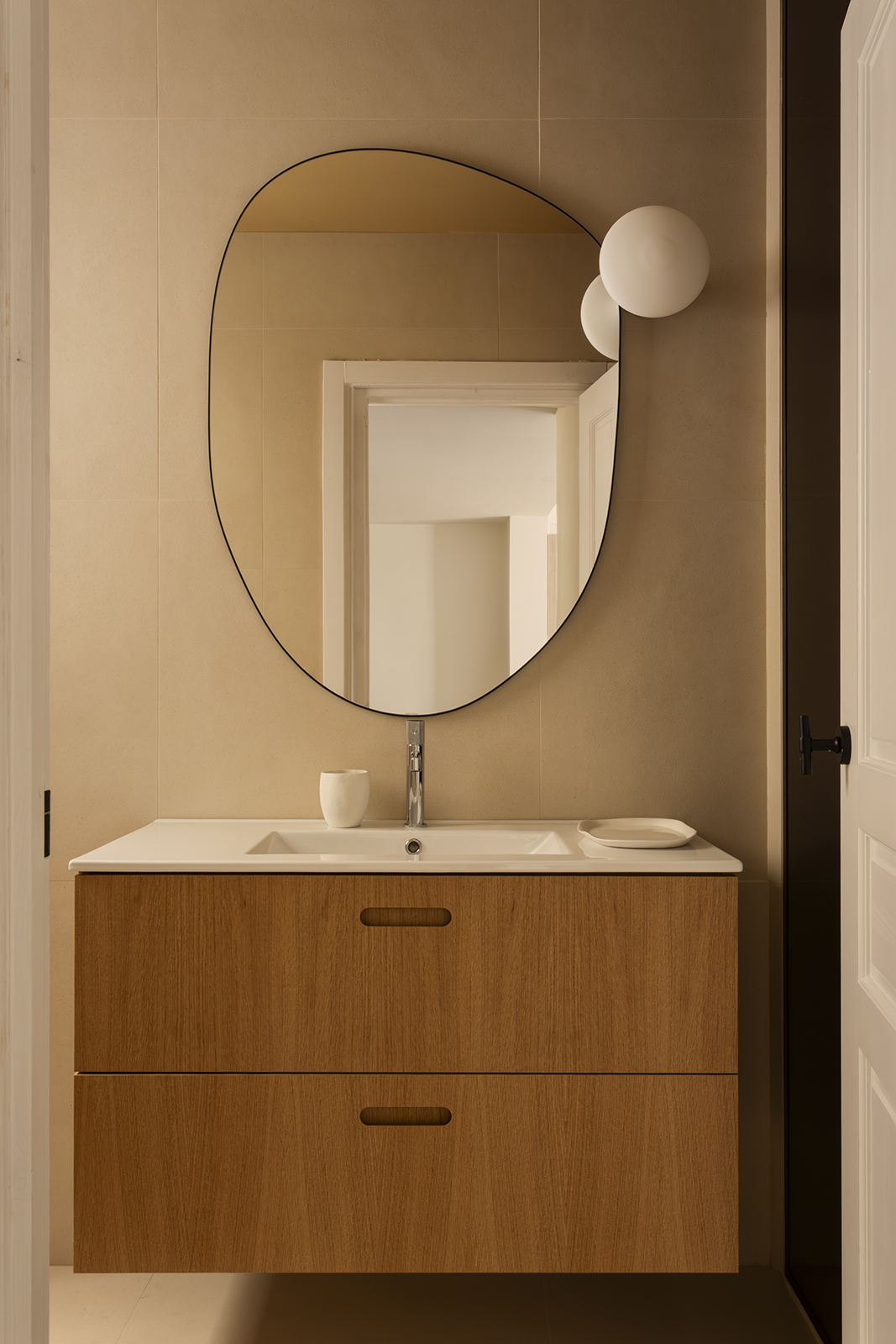
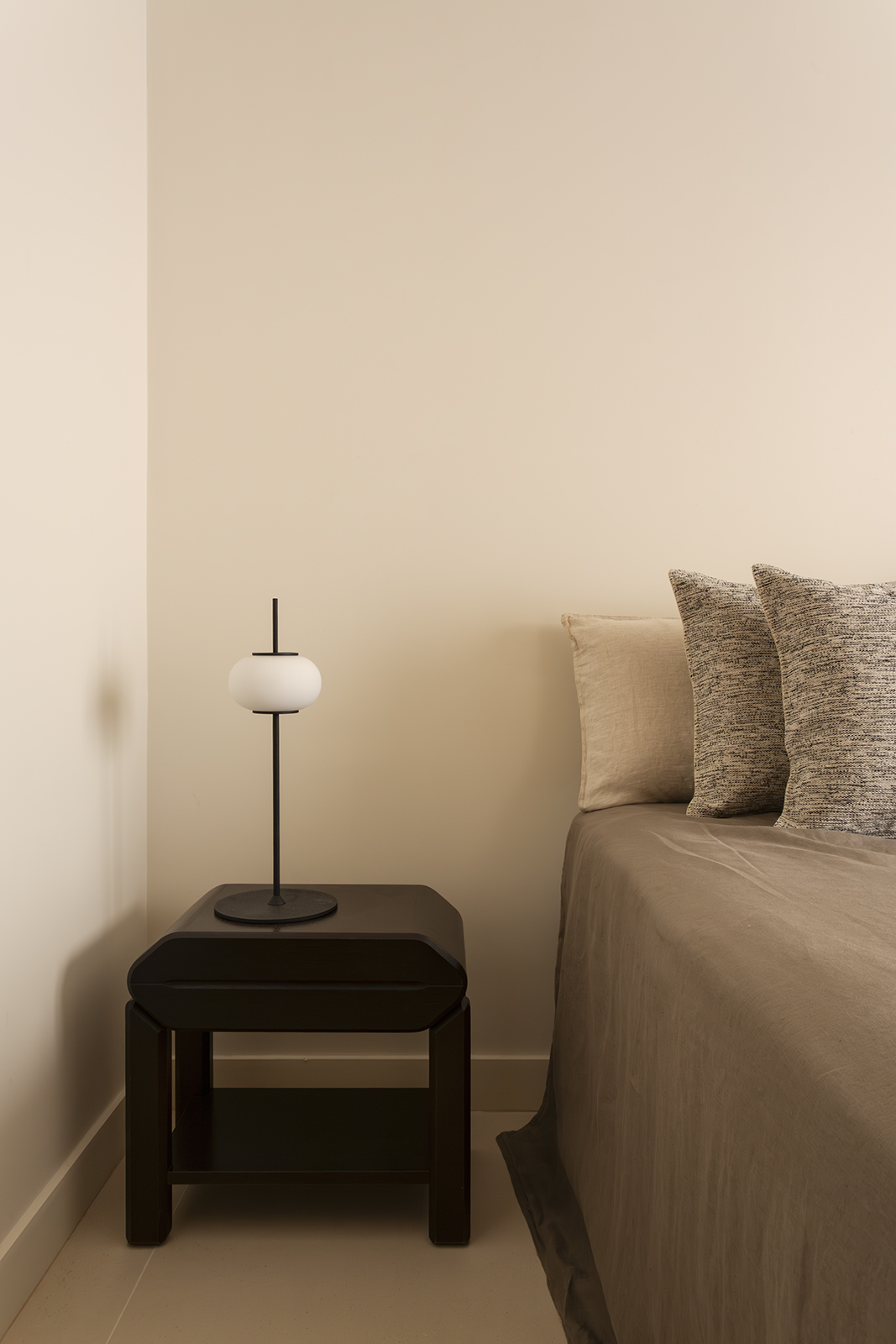
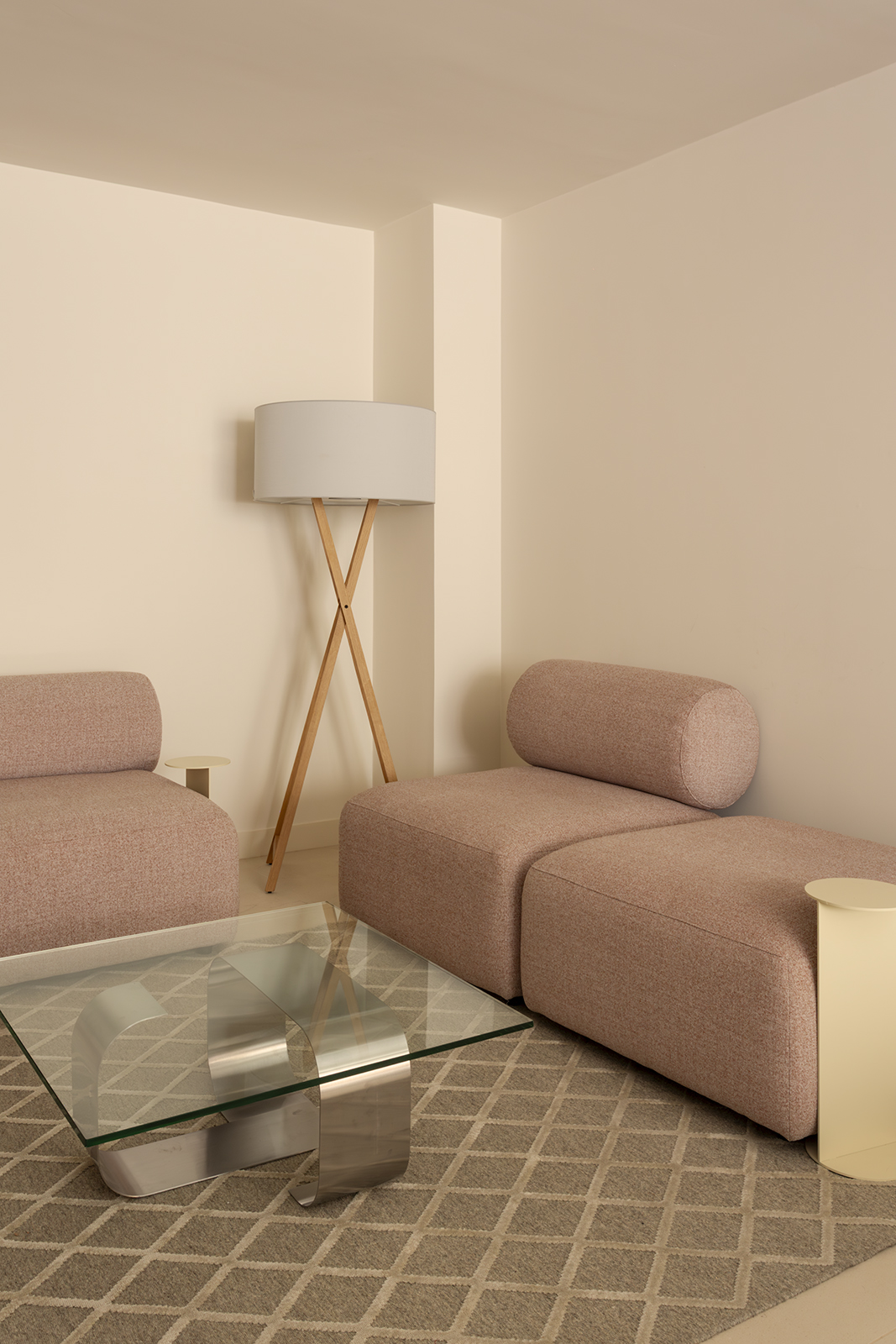
The second home, larger in size, includes two bedrooms, a full bathroom, a guest toilet, an open-plan living–dining–kitchen area and an outdoor terrace. In this case, the palette becomes more neutral, maintaining chromatic continuity with the first home through the use of the same colours, but in desaturated tones. This strategy creates cohesion without repetition, allowing for a unified overall reading of the project while preserving the autonomy of each home.
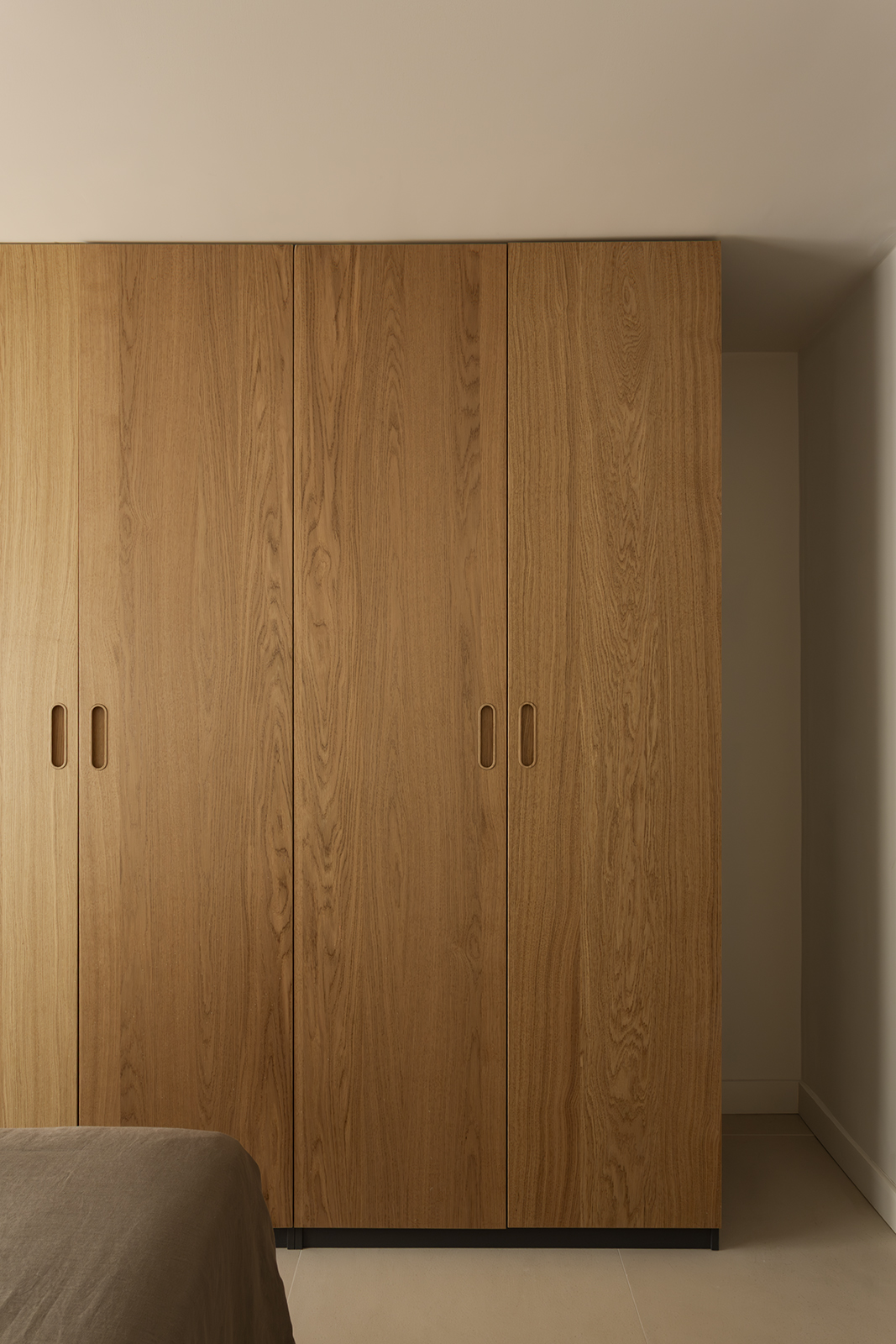
In both homes, bespoke furniture plays a fundamental role. The project was developed in close collaboration with CUBRO, a firm specialising in integrated and customisable furniture, to design all fixed elements: kitchens, wardrobes and bathroom units. CUBRO was chosen not only for its functional and timeless design, but also for the versatility of its finishes and colours, which made it possible to adapt each piece to the chromatic and emotional language of each home.
From the outset, a conscious approach to reuse guided the intervention. Not only were the original ceiling mouldings restored, but the interior doors were also recovered and refurbished, adding character and memory to the ensemble. This coexistence of the new and the reclaimed—between design precision and the spontaneity of discovery—defines the spirit of the project: contemporary in its solutions, yet deeply rooted in the identity of the place.