TRAVEL NOTES: SEOUL II
SEOUL, SOUTH KOREA
Seoul, retail as cultural production
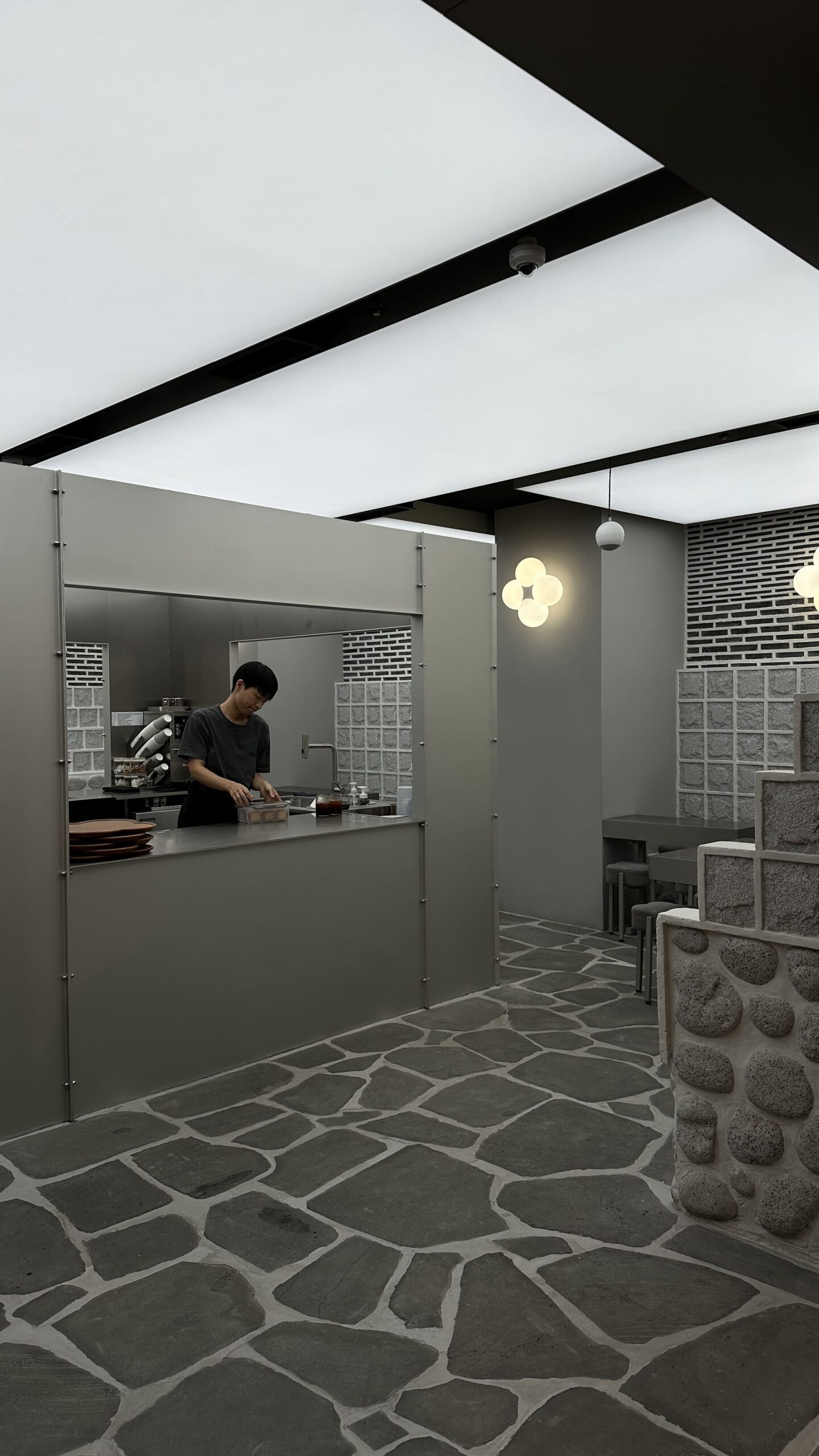
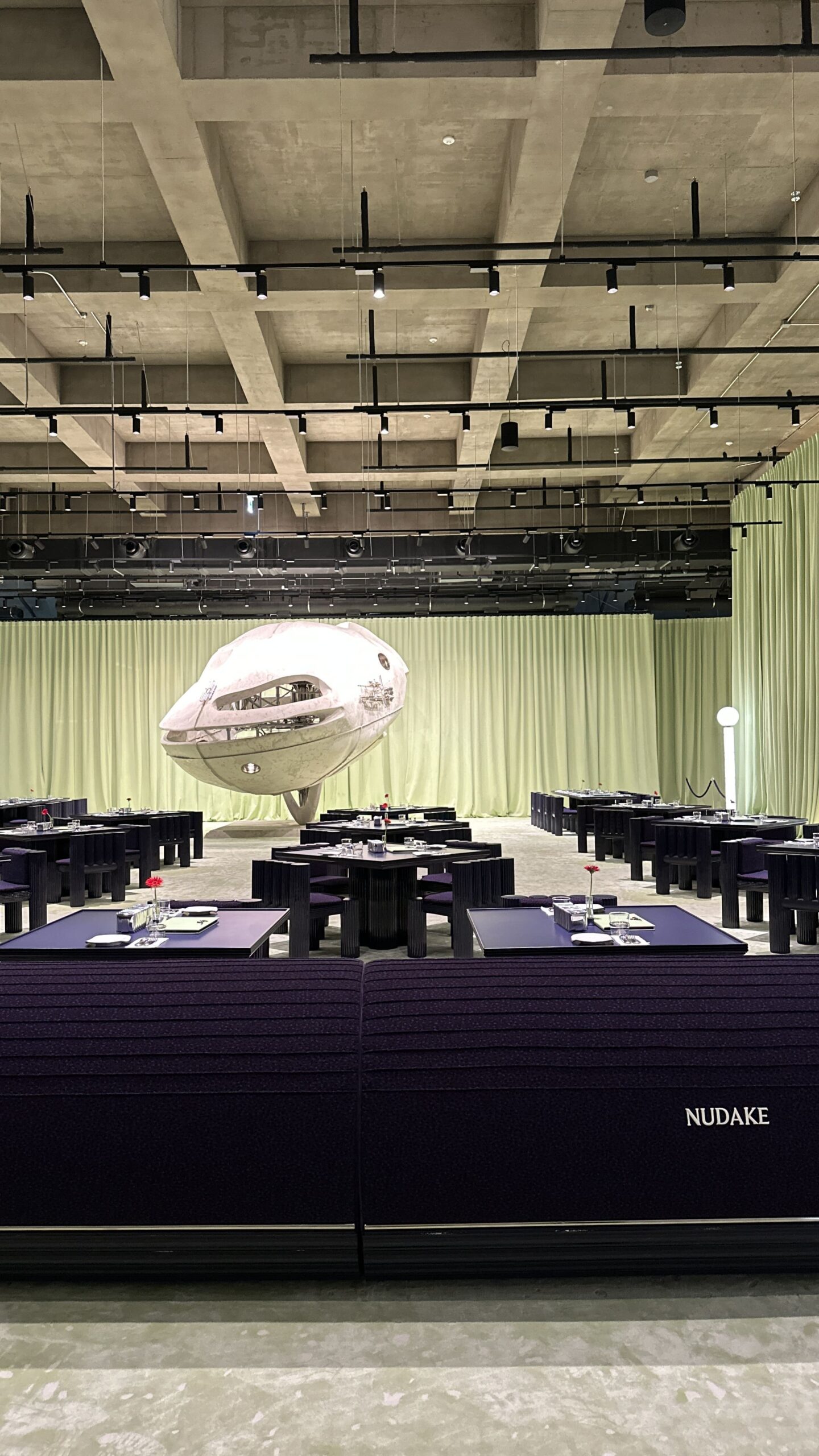
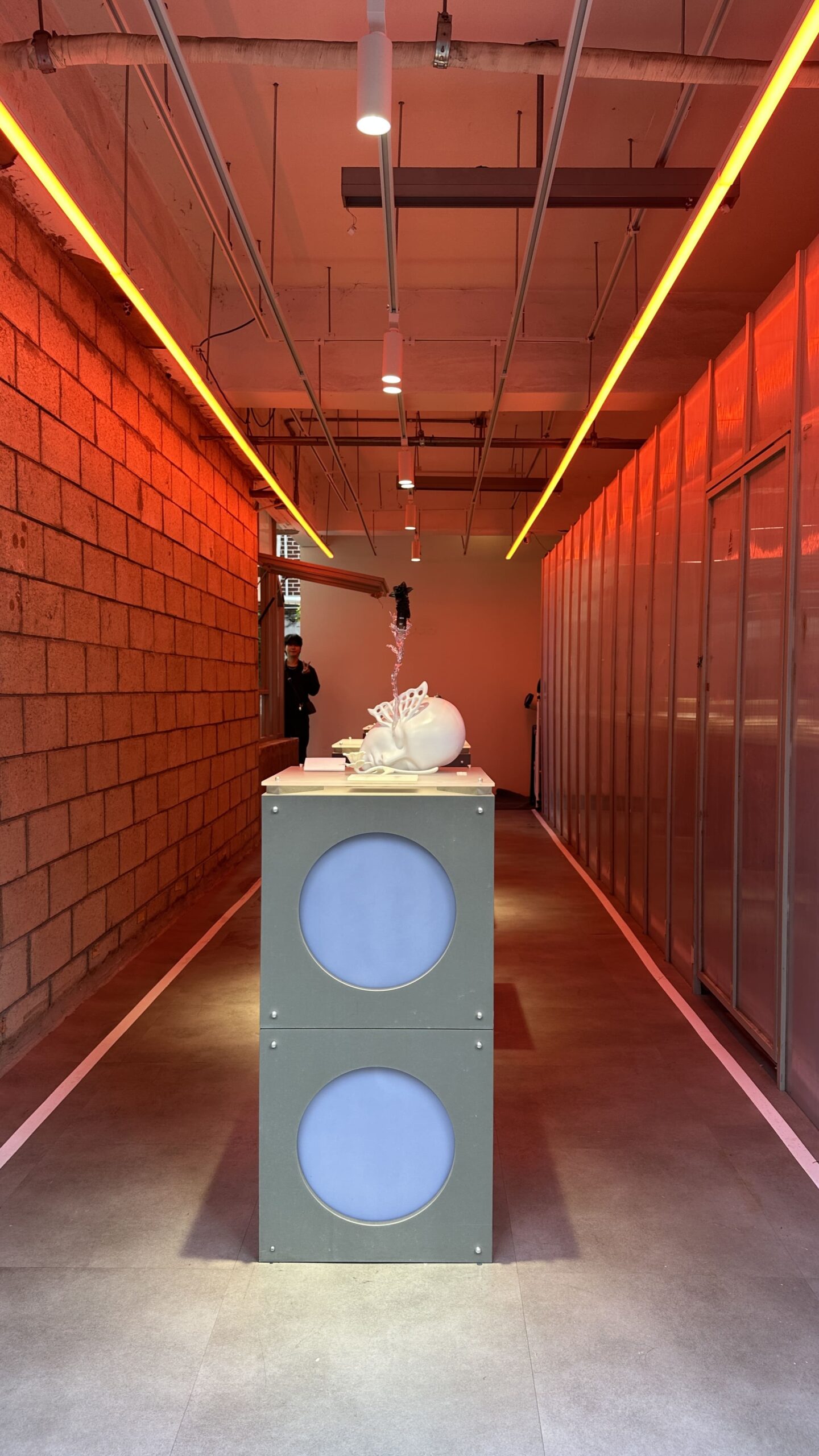
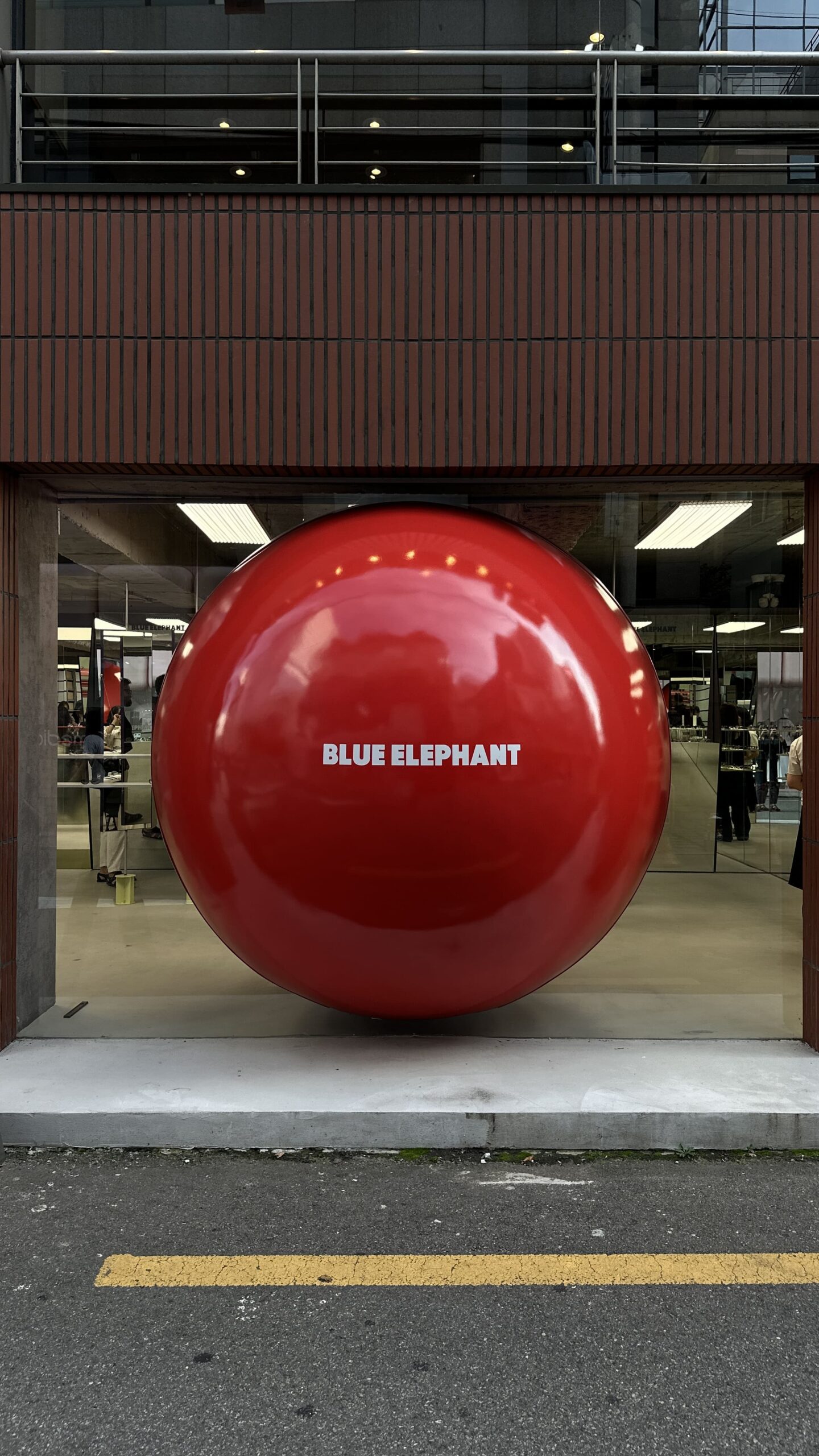
In Seoul, retail spaces are no longer conceived as shops, cafés or flagships in the conventional sense. They operate more like _____ immersive cultural environments: part gallery, part scenography, part spatial experiment.
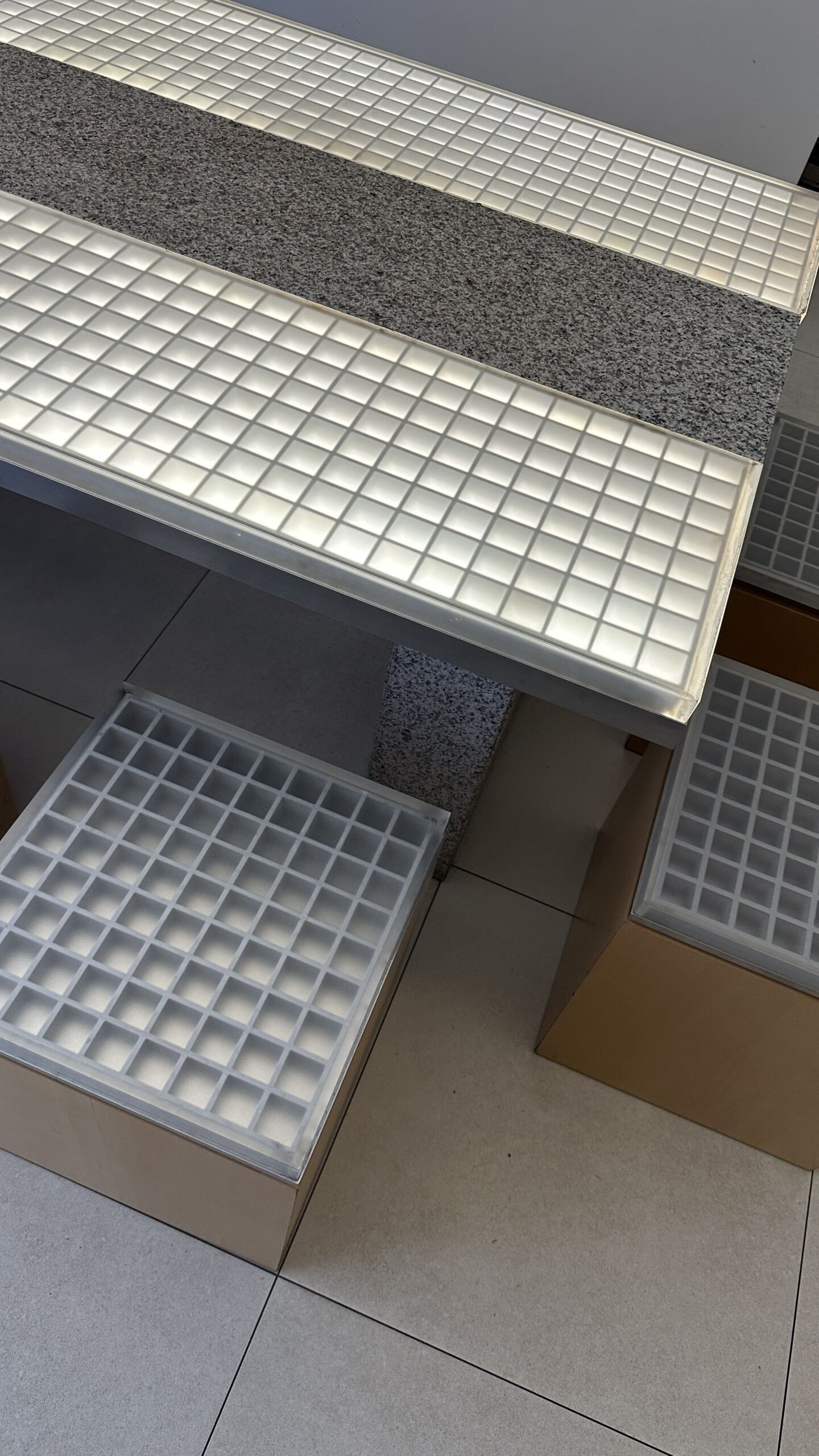
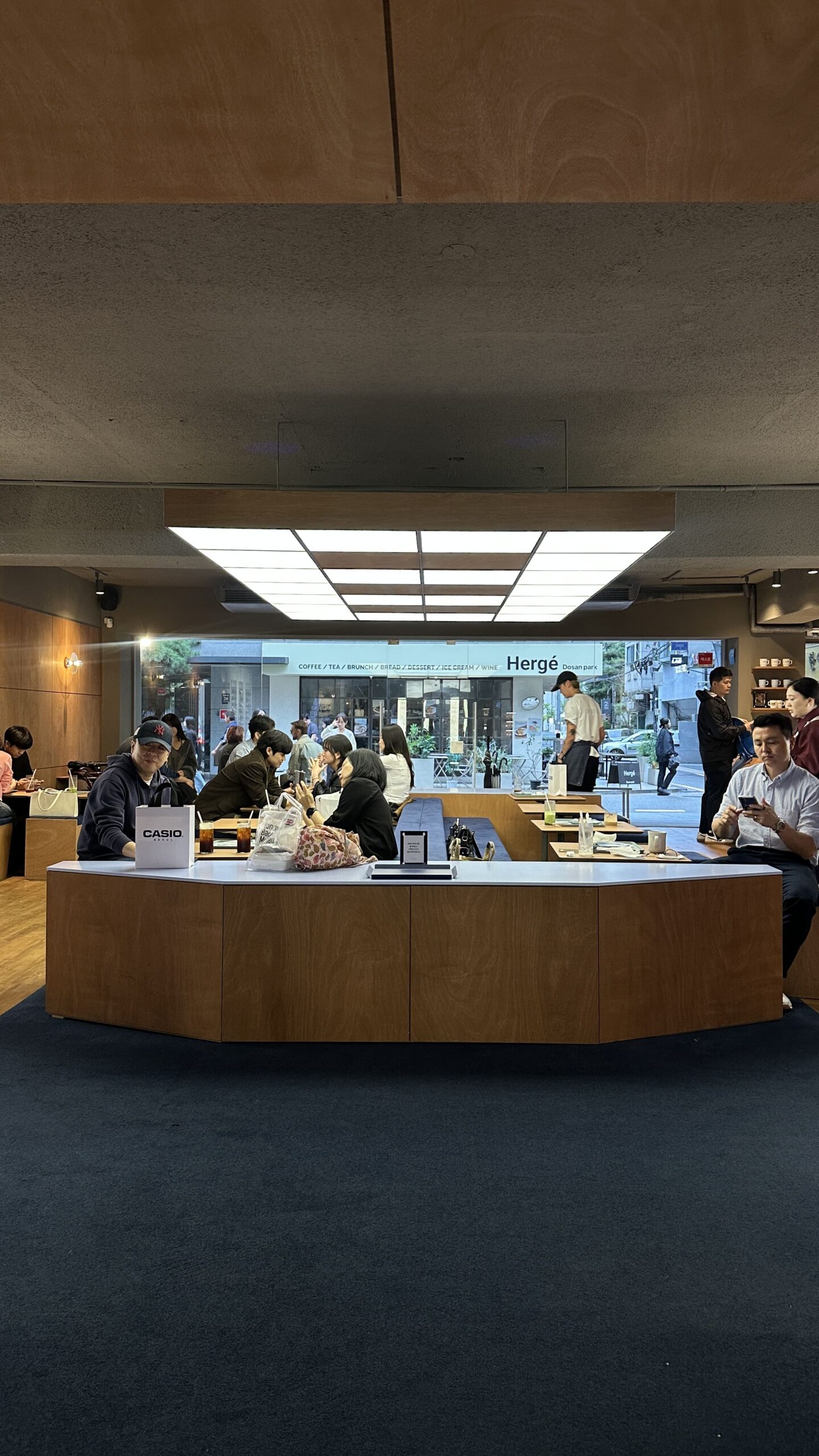
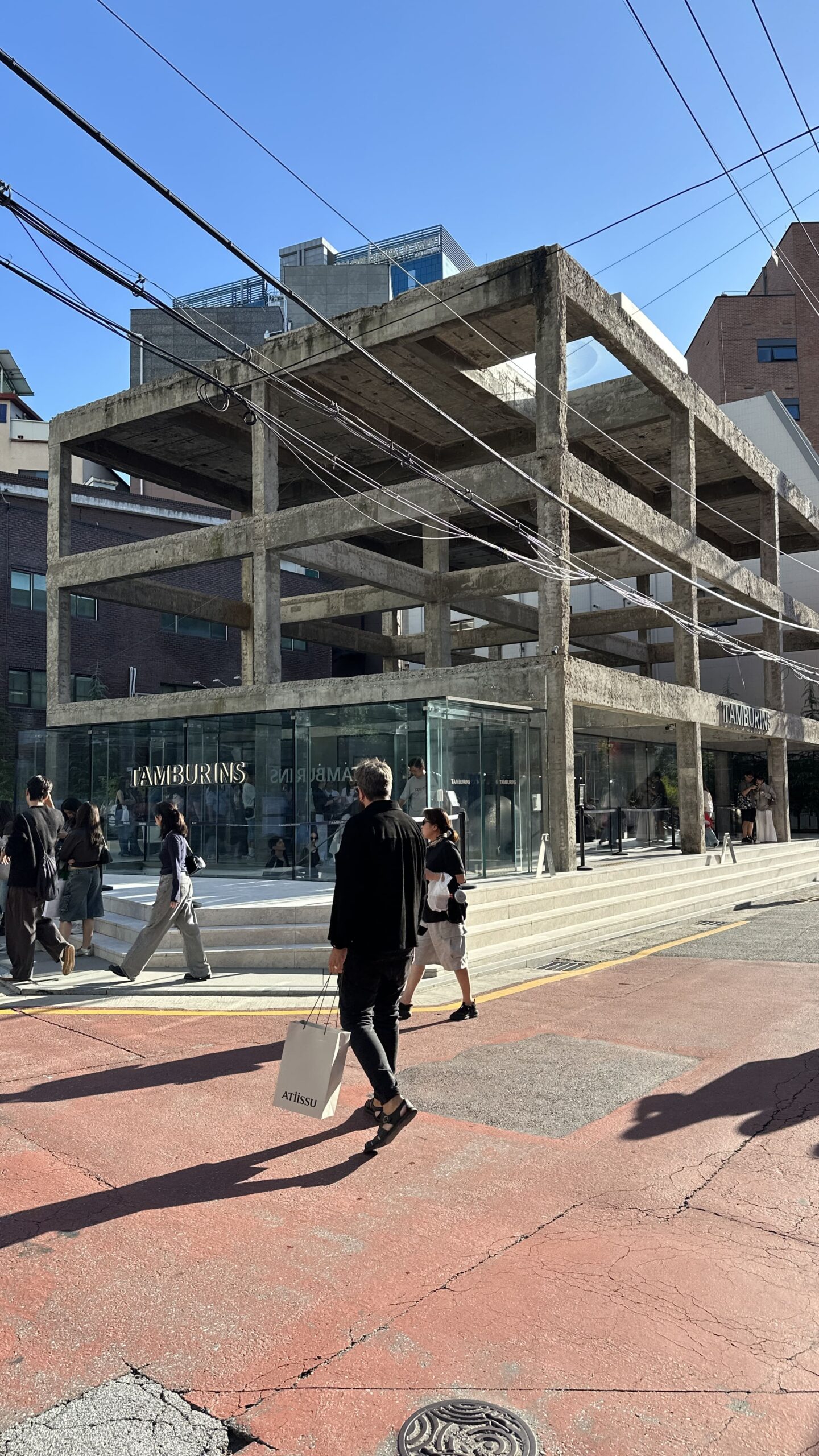
Across the city, commercial spaces are designed with the logic of exhibitions rather than transactions. Architecture becomes narrative. Furniture behaves like sculpture. Lighting is treated less as illumination and more as atmosphere-building. Even cafés are conceived not simply as places to consume, _________ but as environments to inhabit.
Throughout Seoul, flagship stores, cafés and showrooms feel carefully choreographed. Objects are displayed ________ with the precision of exhibitions. Circulation feels curated. Even moments of emptiness appear intentional.
What fascinated us most was the way architecture dissolves _____ into experience.
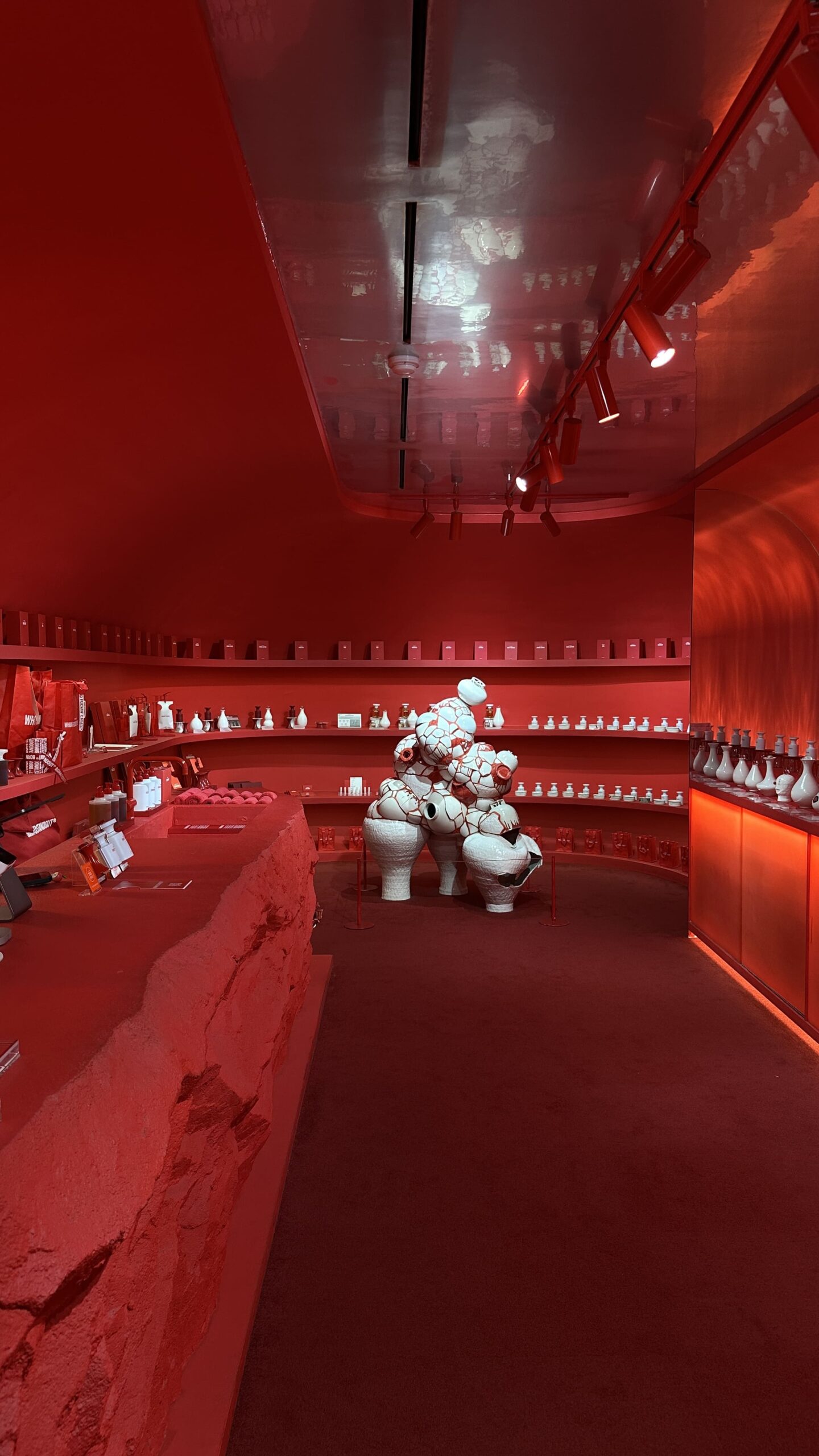
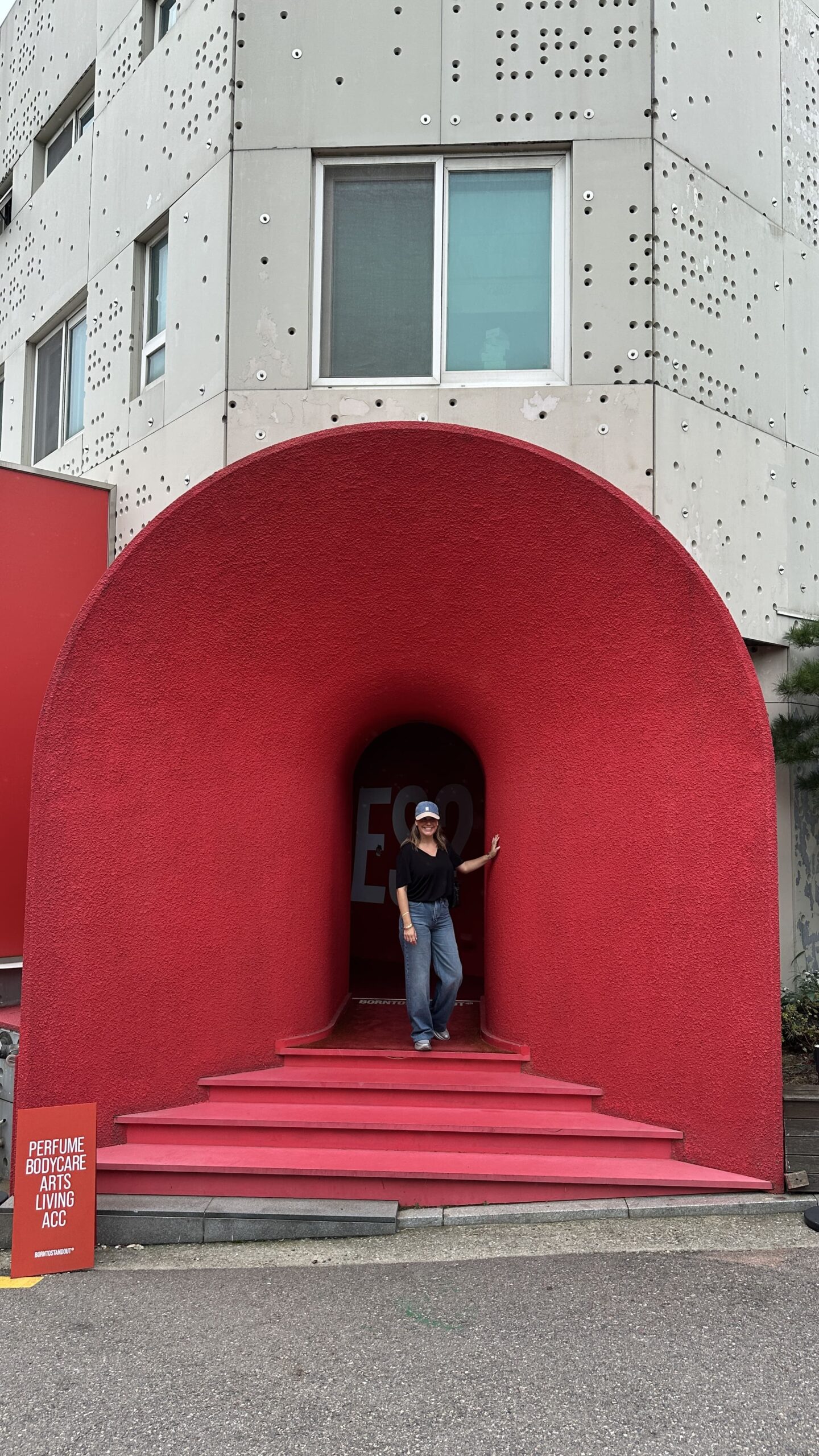
A cosmetic store transforms into an immersive installation.
A café becomes a composition of light, texture and rhythm.
Furniture is treated as sculpture.
Products almost disappear behind atmosphere.
Many of these interiors _____ seem designed not around consumption, but around perception.
What emerges is a new typology of public interior: spaces where art, branding, hospitality and performance collapse into a single experience. More than stores, _____ they operate as contemporary stages — environments designed to be entered, observed and emotionally experienced.
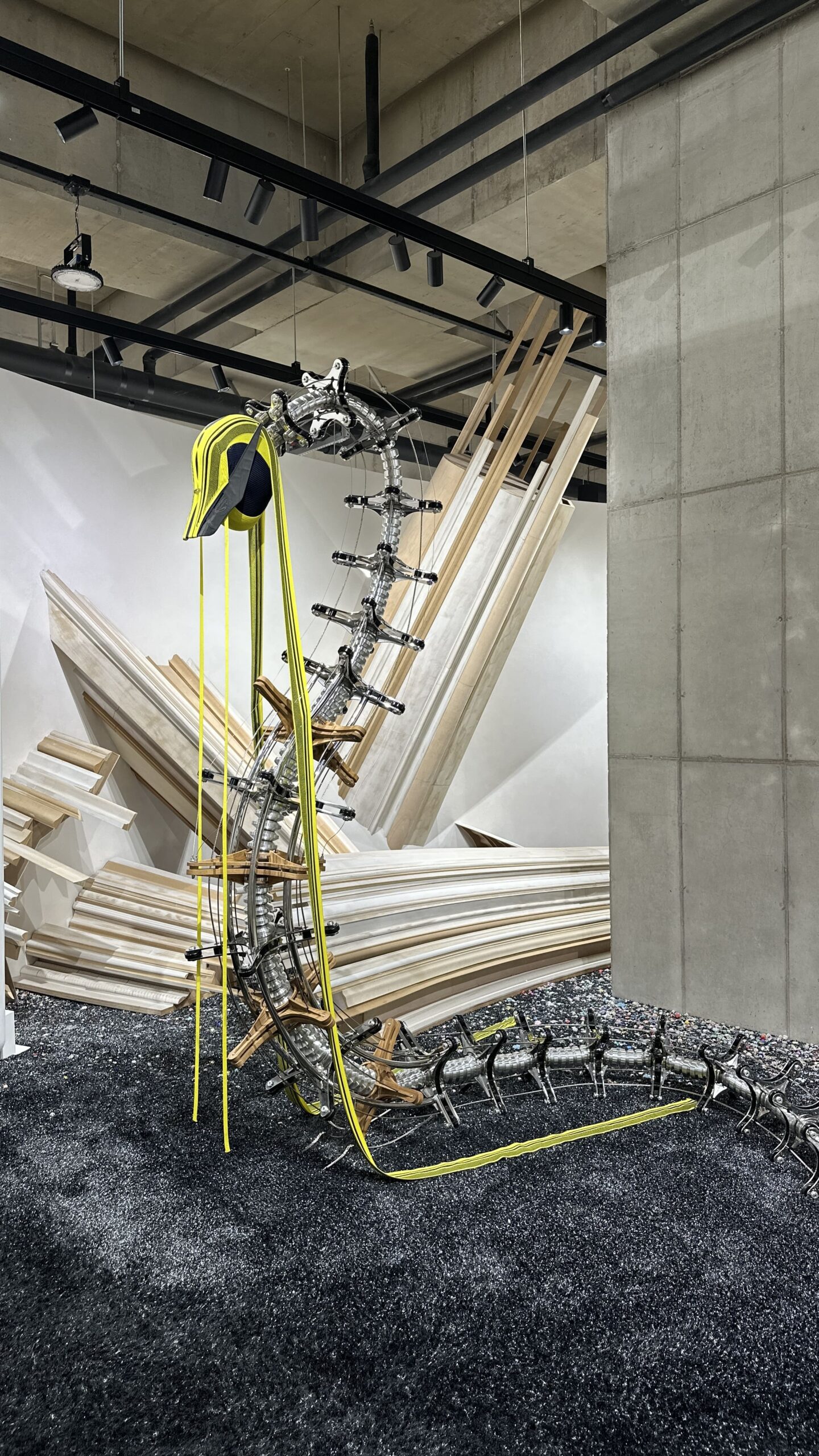
In many of these places, the product itself becomes secondary. The real object being consumed is the atmosphere, the choreography, the fiction of the space.
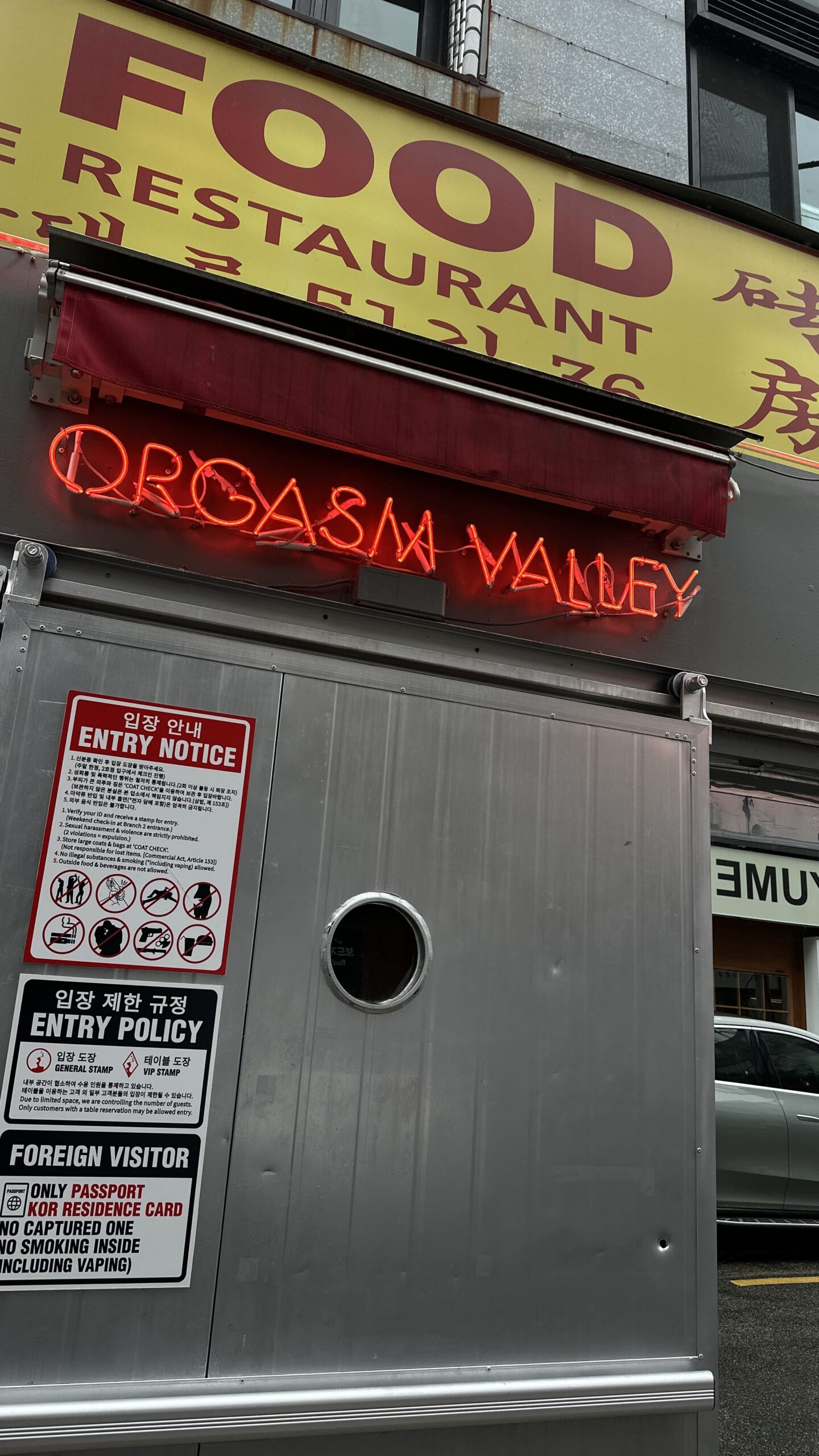
Seoul feels particularly advanced in this condition. Not because the spaces are simply “beautiful”, _______ but because they are constructed with total spatial intentionality. Hyper commercial environments coexist with museum-like silence. Technological spectacle sits next to raw materiality. Minimalism becomes theatrical rather than restrained.
What emerges is a new spatial language in which architecture, branding, art direction and interior design become inseparable.
In Seoul, commerce is no longer hidden behind design. _______ Design itself becomes the product.