Ibiza Before the Myth
Ibiza in the 1960s was not yet spectacle. It was a landscape of possibility. Artists, architects, and intellectuals _____ arrived searching for distance from postwar Europe, drawn to the island’s simplicity and its slow, elemental way of life.
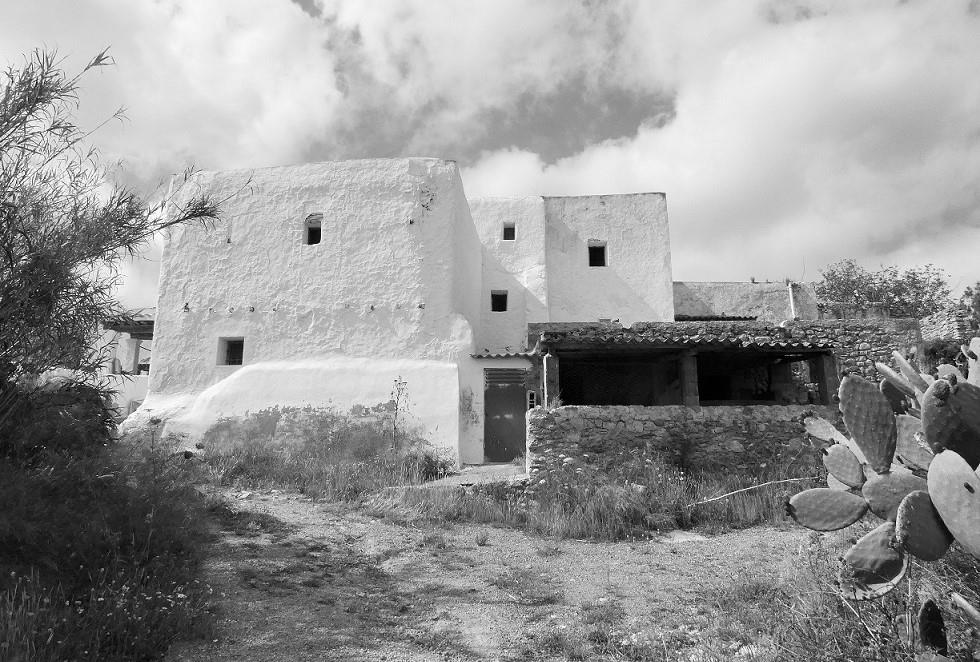
Here, architecture was not a stylistic exercise but a direct response to climate, material, and necessity: thick white walls, _________ flat roofs, carefully placed openings, terraces extending daily life outward. The island offered a form of modernity that already existed, embedded in the vernacular.
Before the island became a destination, it was a refuge: quiet, rural, and deeply shaped by its vernacular architecture and Mediterranean rhythm. It was within this atmosphere (suspended between tradition and emerging modernity) that architect and artist ________ Erwin Broner developed a body of work that continues to resonate as an essential dialogue between place, light, and habitation.
Erwin Broner
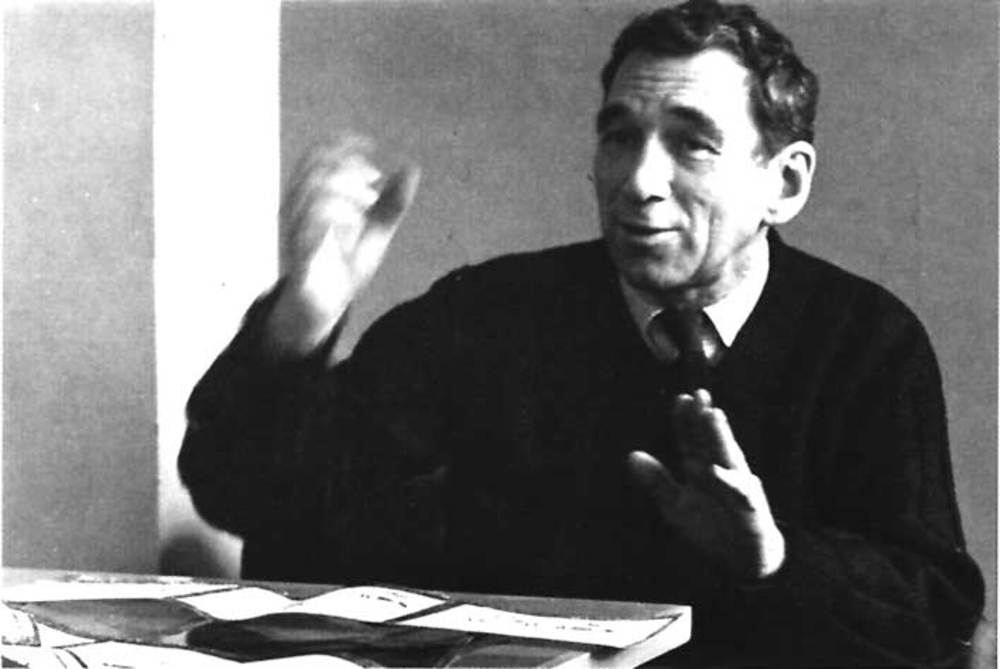
Erwin Broner arrived in Ibiza with a modern European formation and the experience of exile. Rather than importing a foreign architectural language, _____ Broner observed the island’s existing intelligence.
His work does not present modernity as rupture, but as refinement. Across nearly thirty houses built on the island, Broner developed an architecture of precision and restraint: white volumes, _____________ calibrated proportions, spaces defined by light and horizon. His projects suggest that building can be an act of interpretation, a way of inhabiting without erasing.
Grupo Ibiza 59: A Cultural Ecosystem
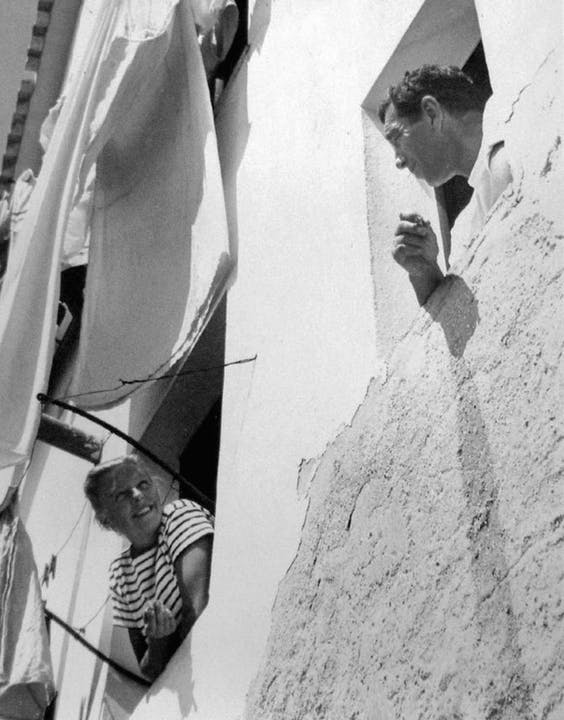
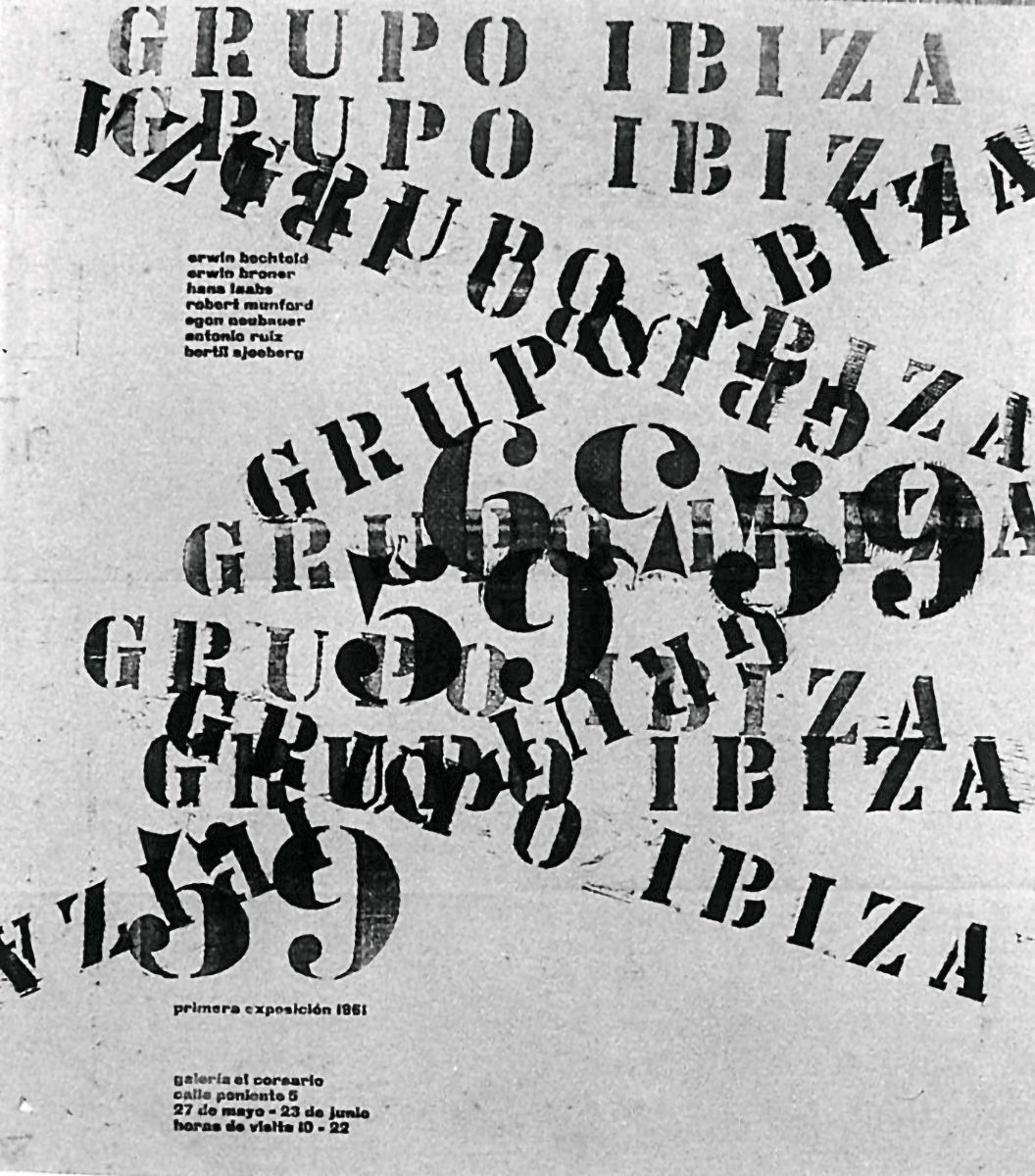
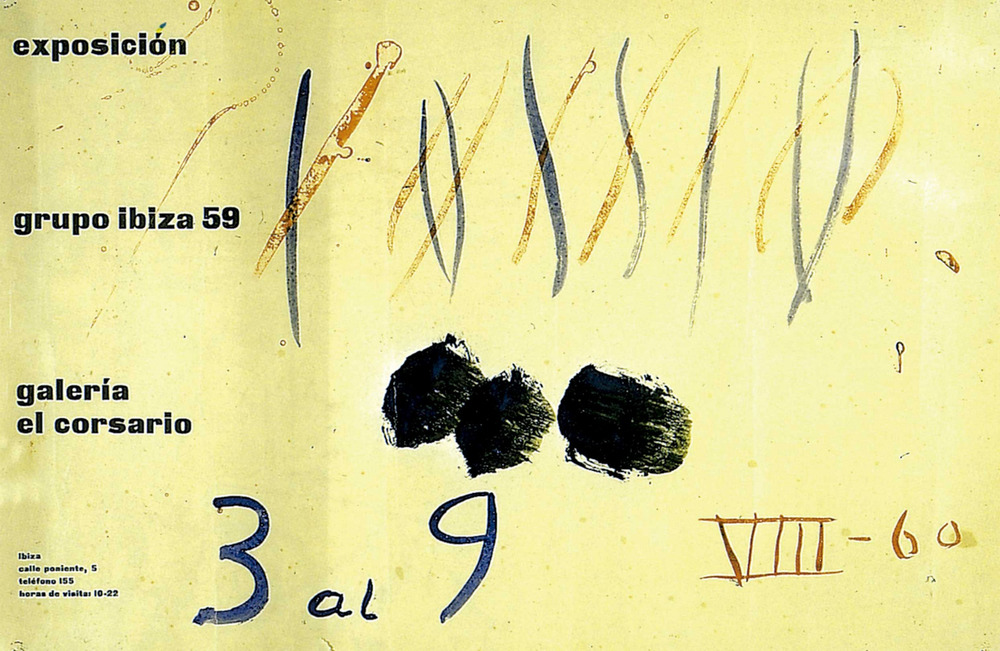
In 1959, Broner founded Grupo Ibiza 59, a collective of international artists living and _____ working on the island. More than an art movement, the group became a cultural network, organizing exhibitions, fostering exchange, and positioning Ibiza as an unexpected node within the European avant-garde.
Ibiza was no longer only landscape, but scene: a peripheral geography with international resonance. The group embodied a spirit of collaboration and experimentation, reminding us that architecture and _____________ art are never isolated practices, but part of shared atmospheres and communities.
Casa Broner: A Manifesto of Habitation
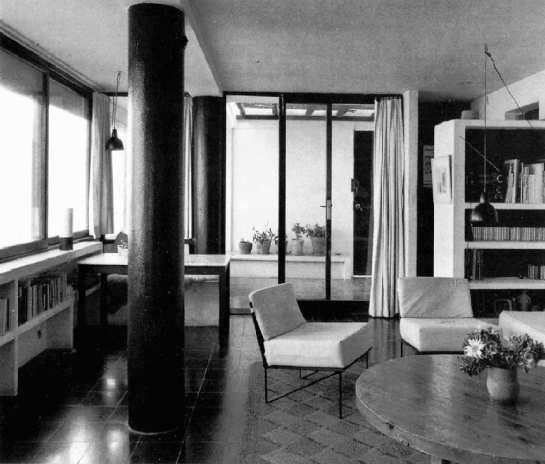
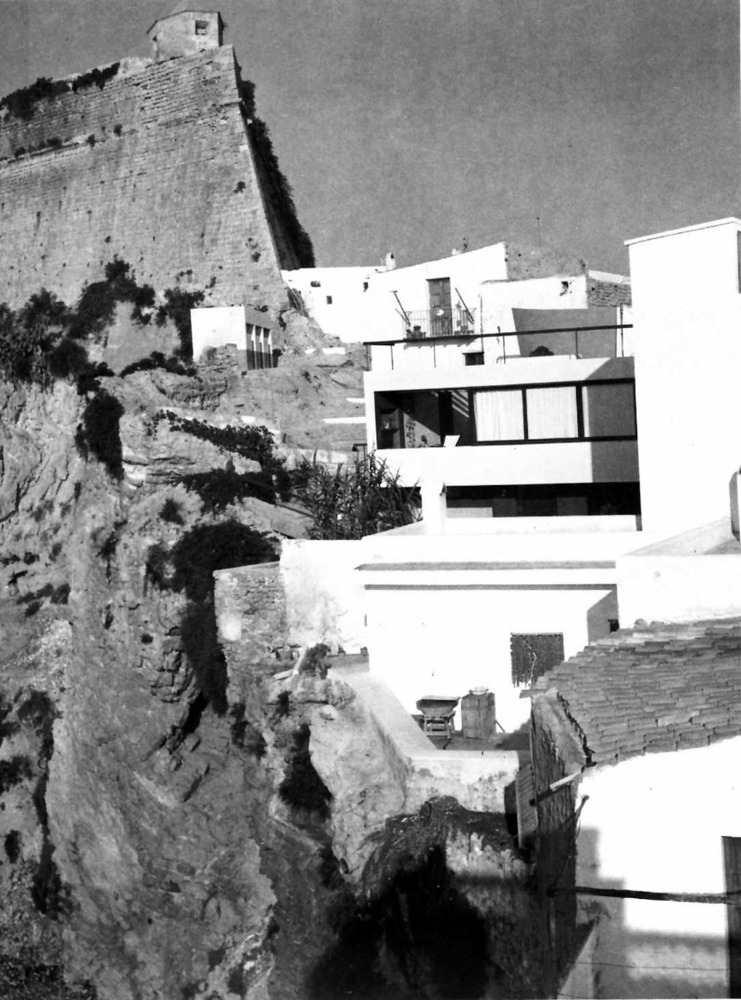
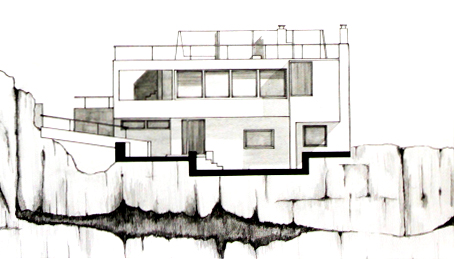
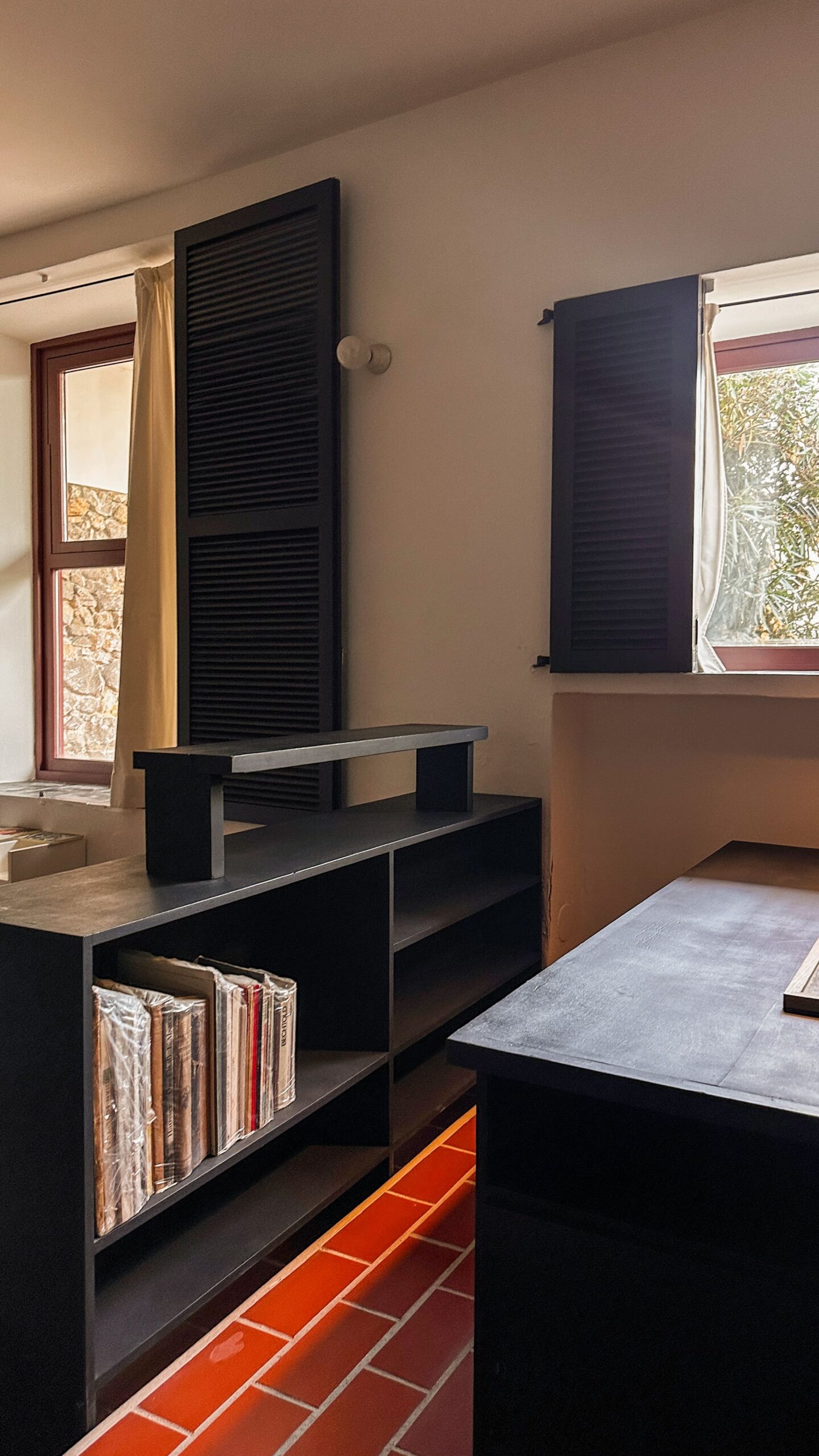
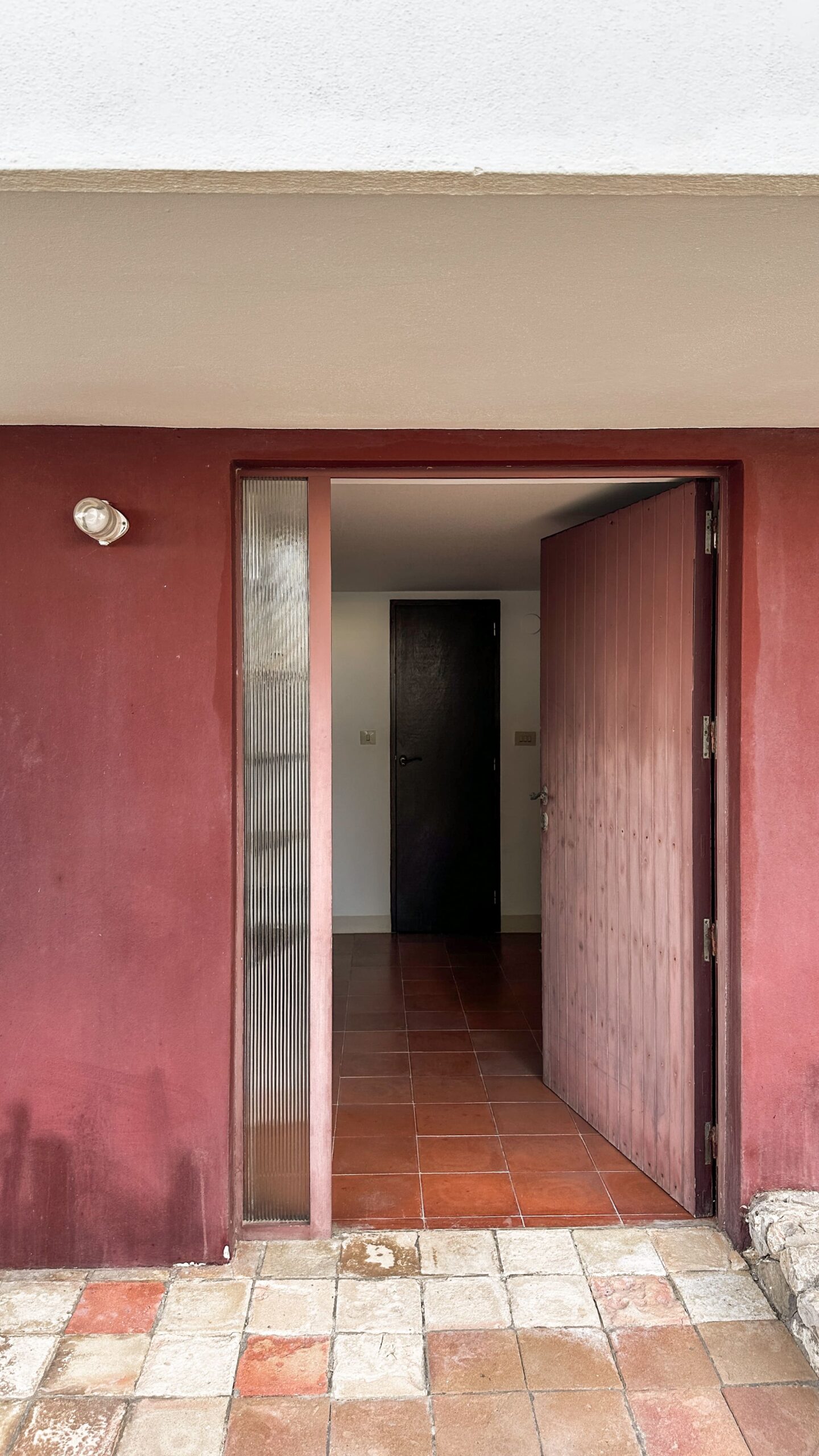
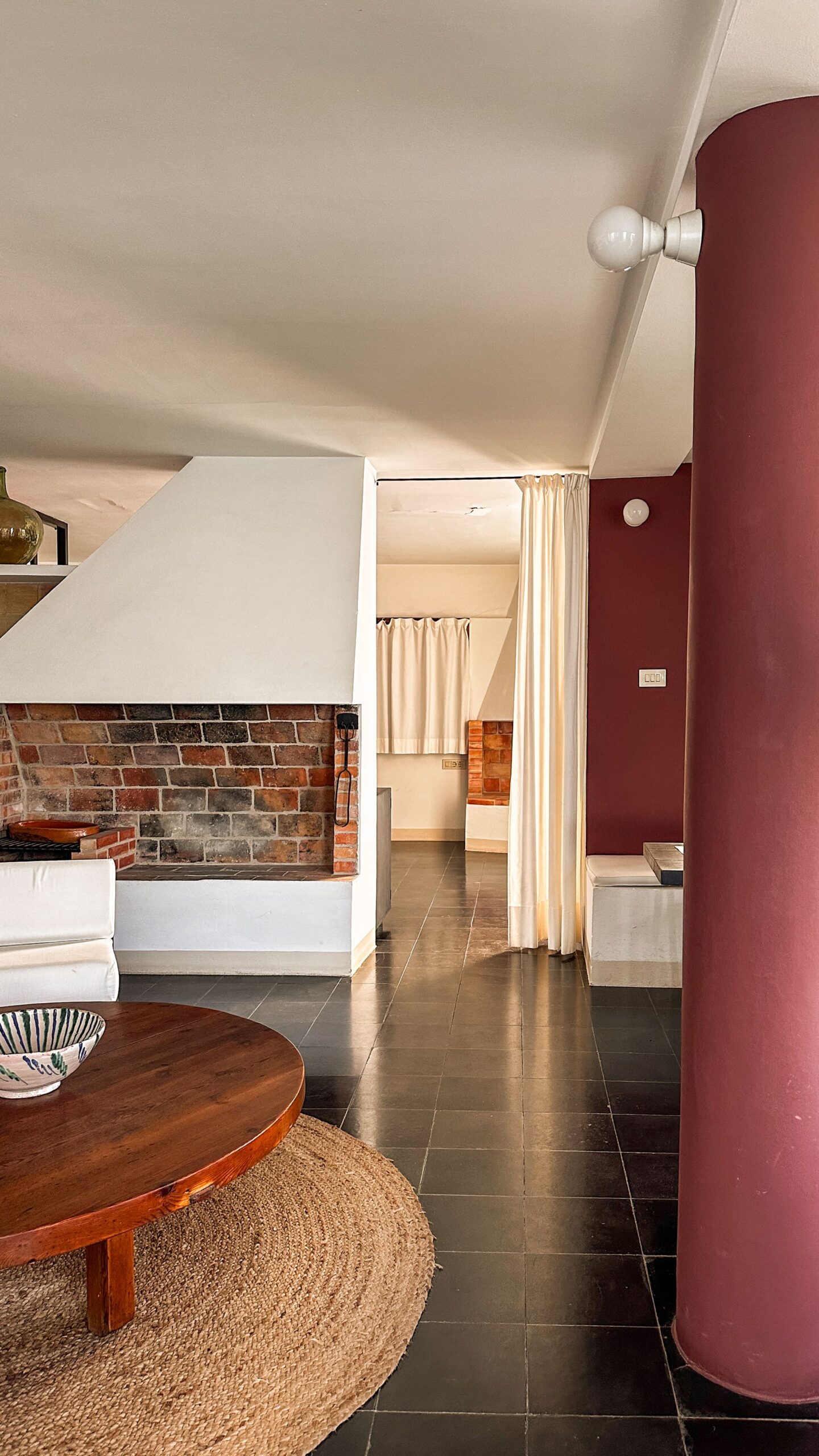
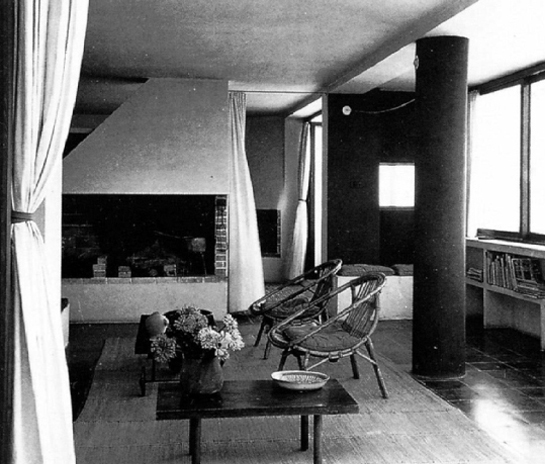
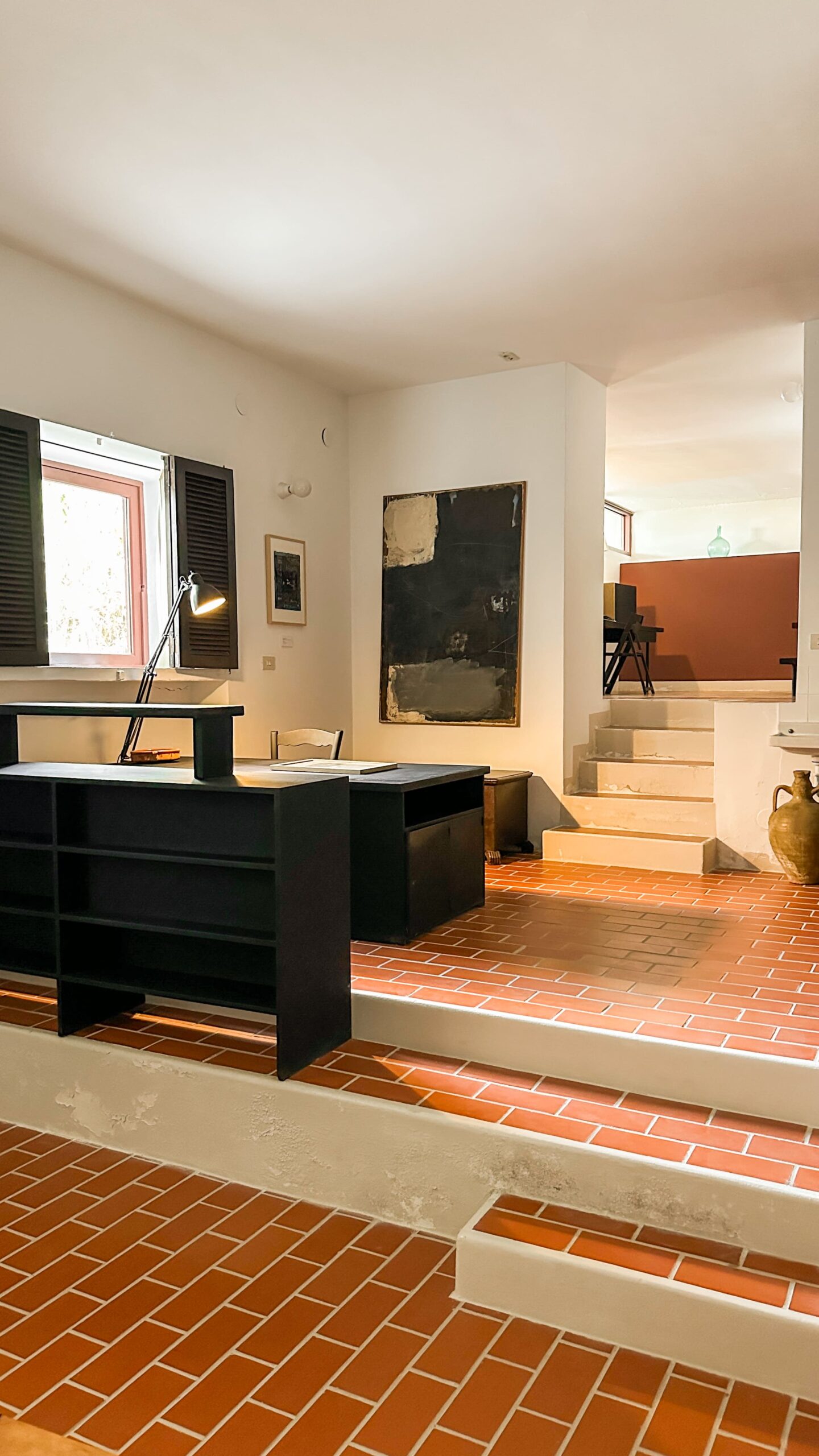
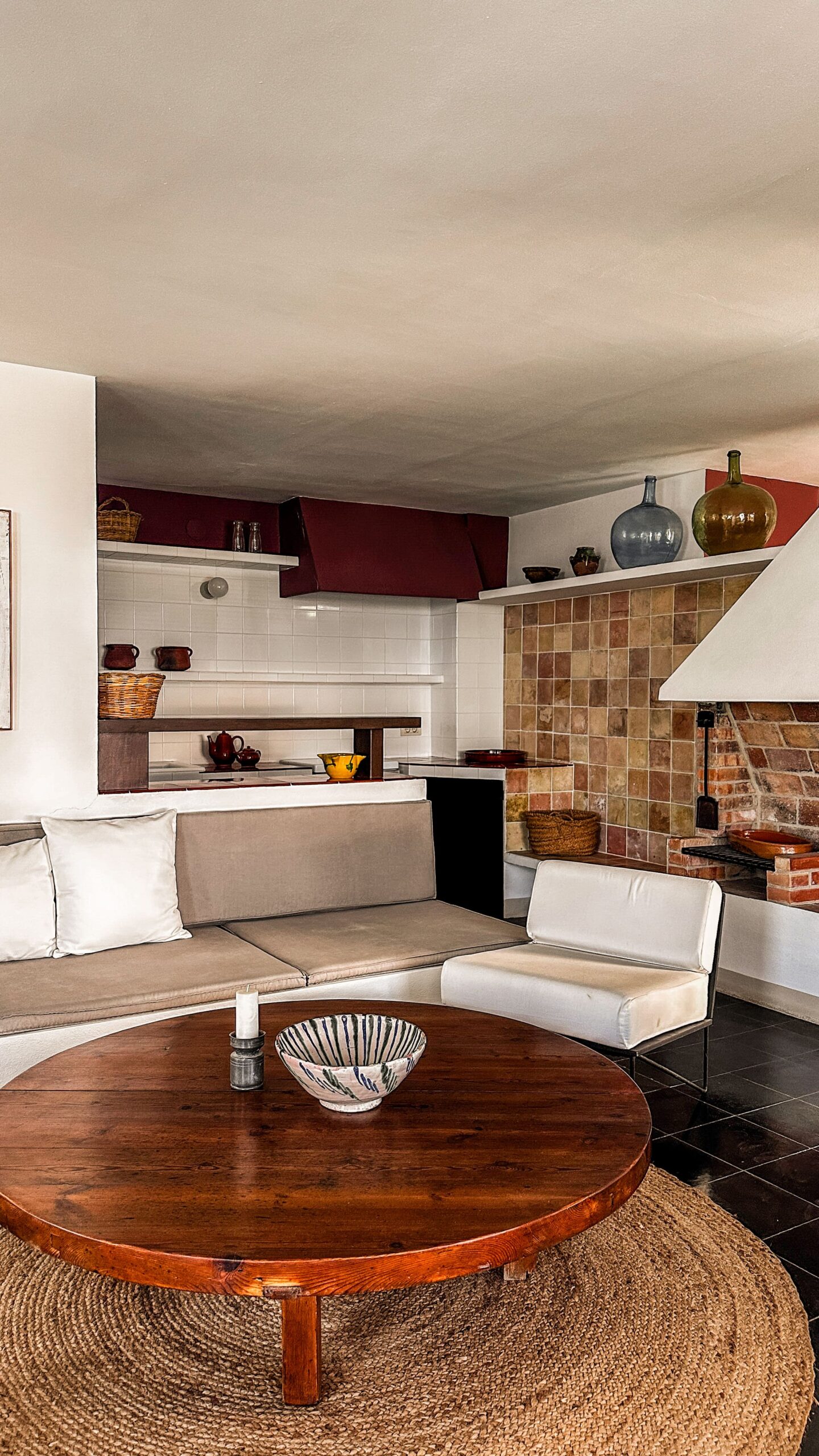
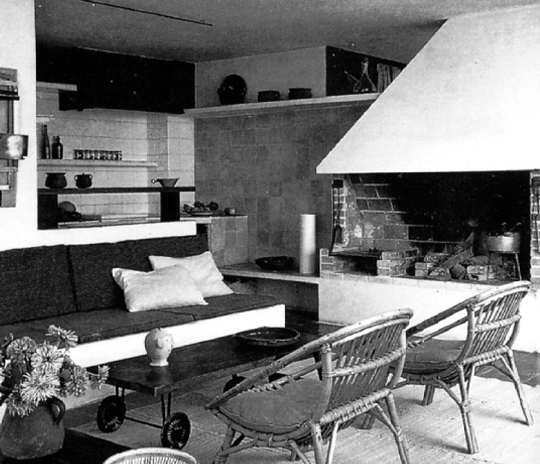
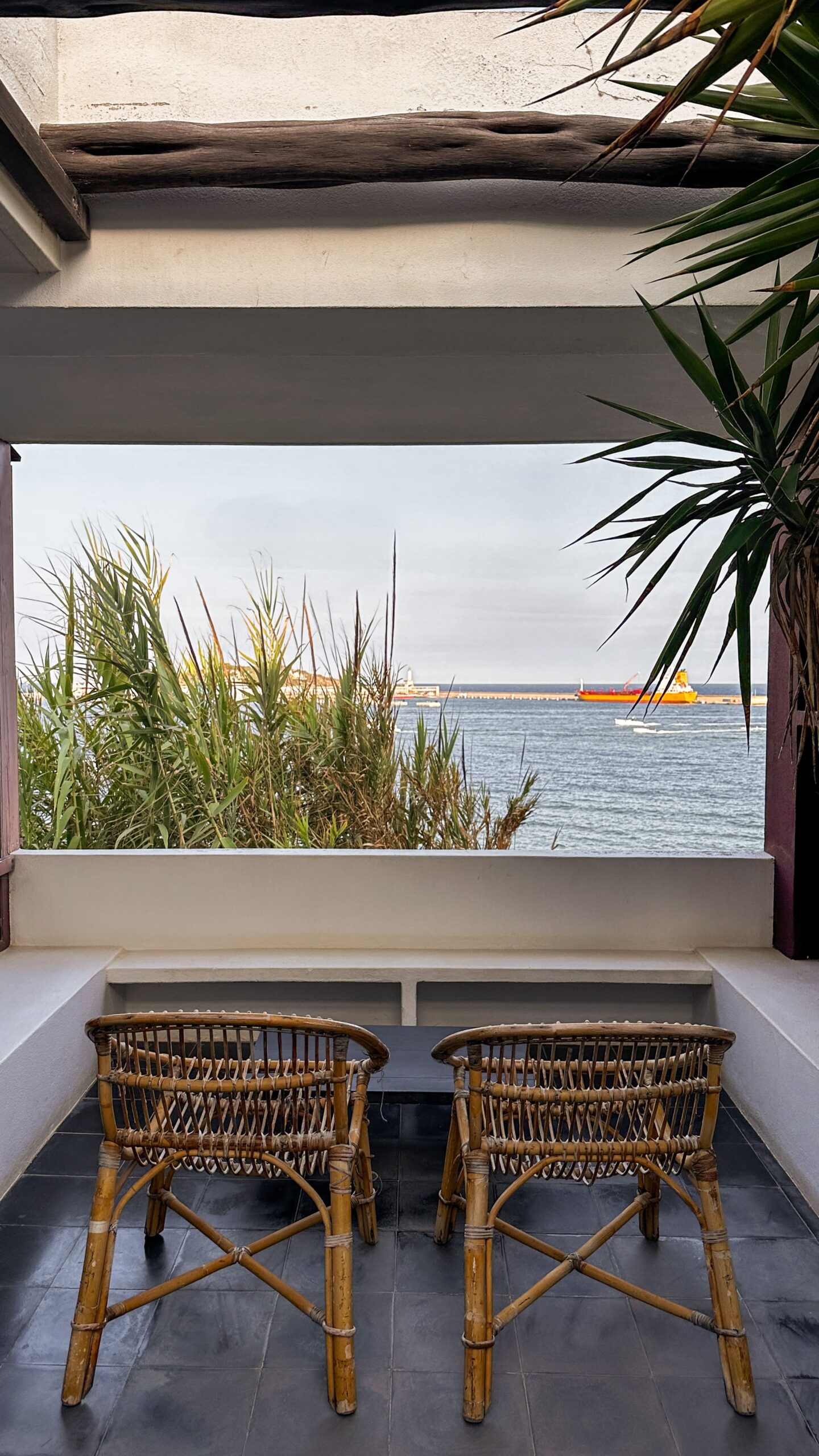
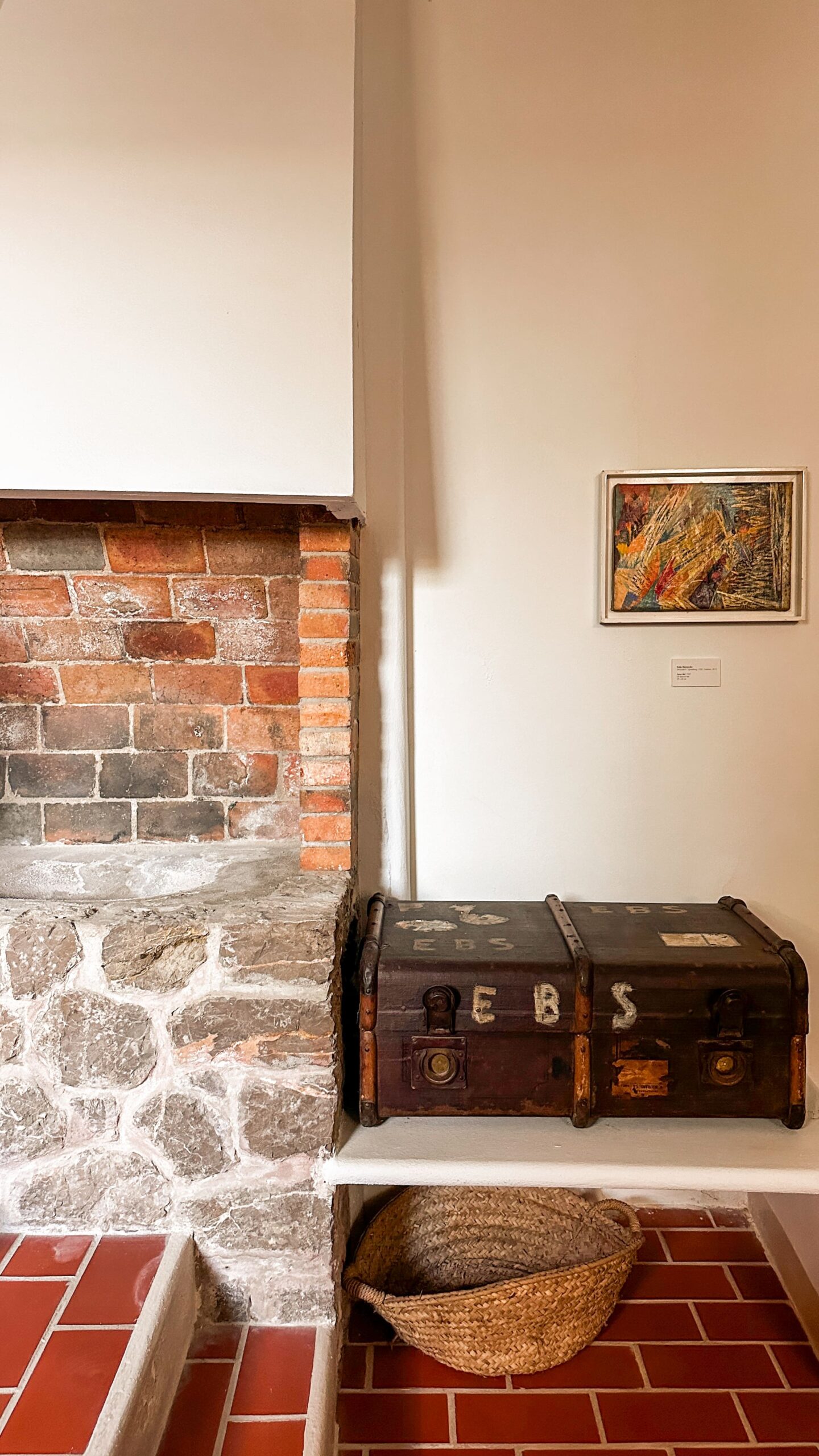
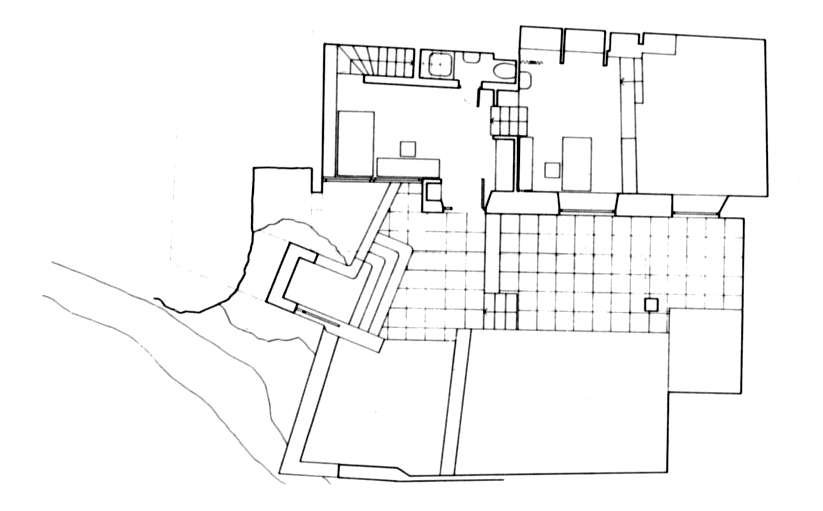
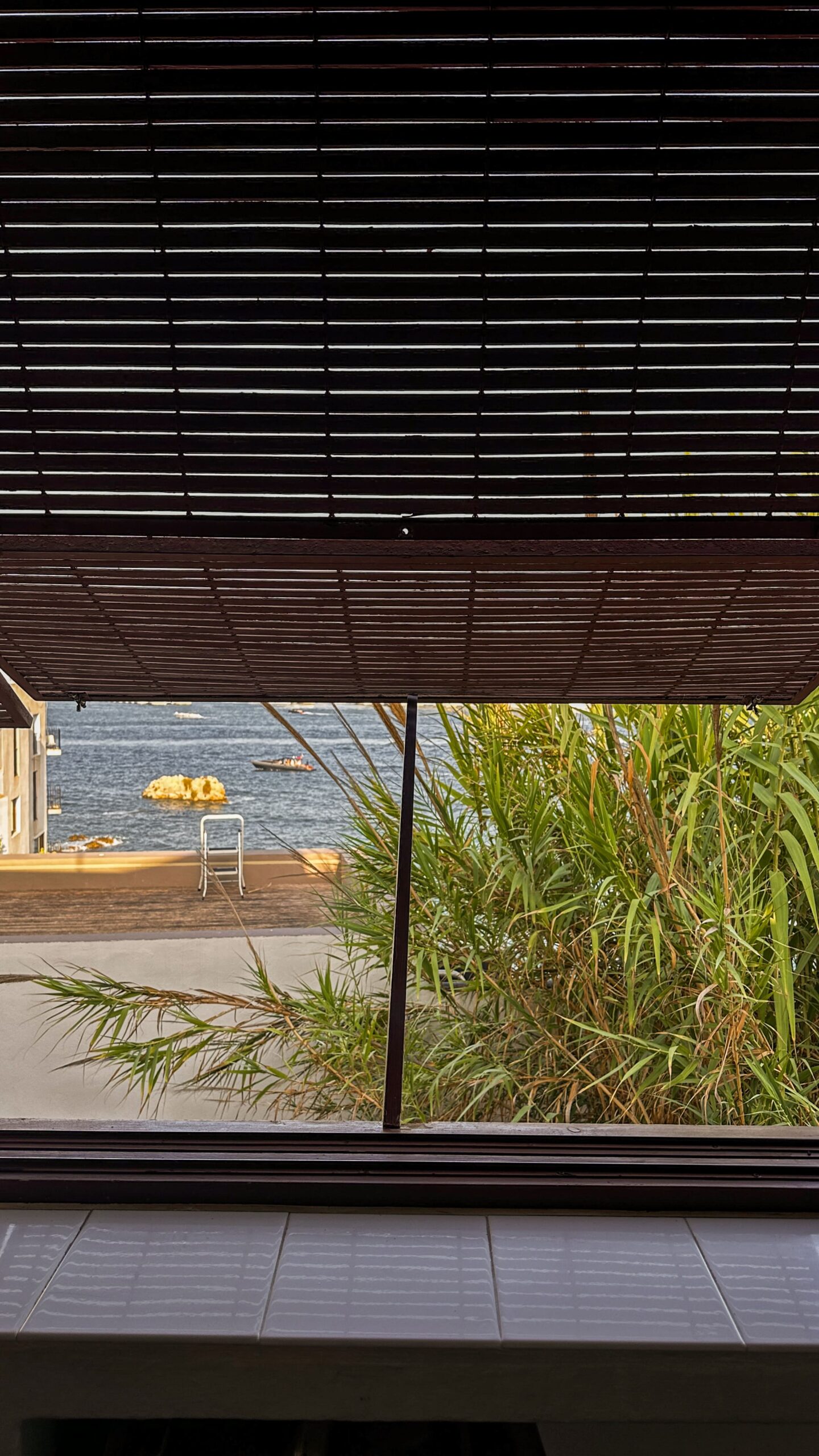
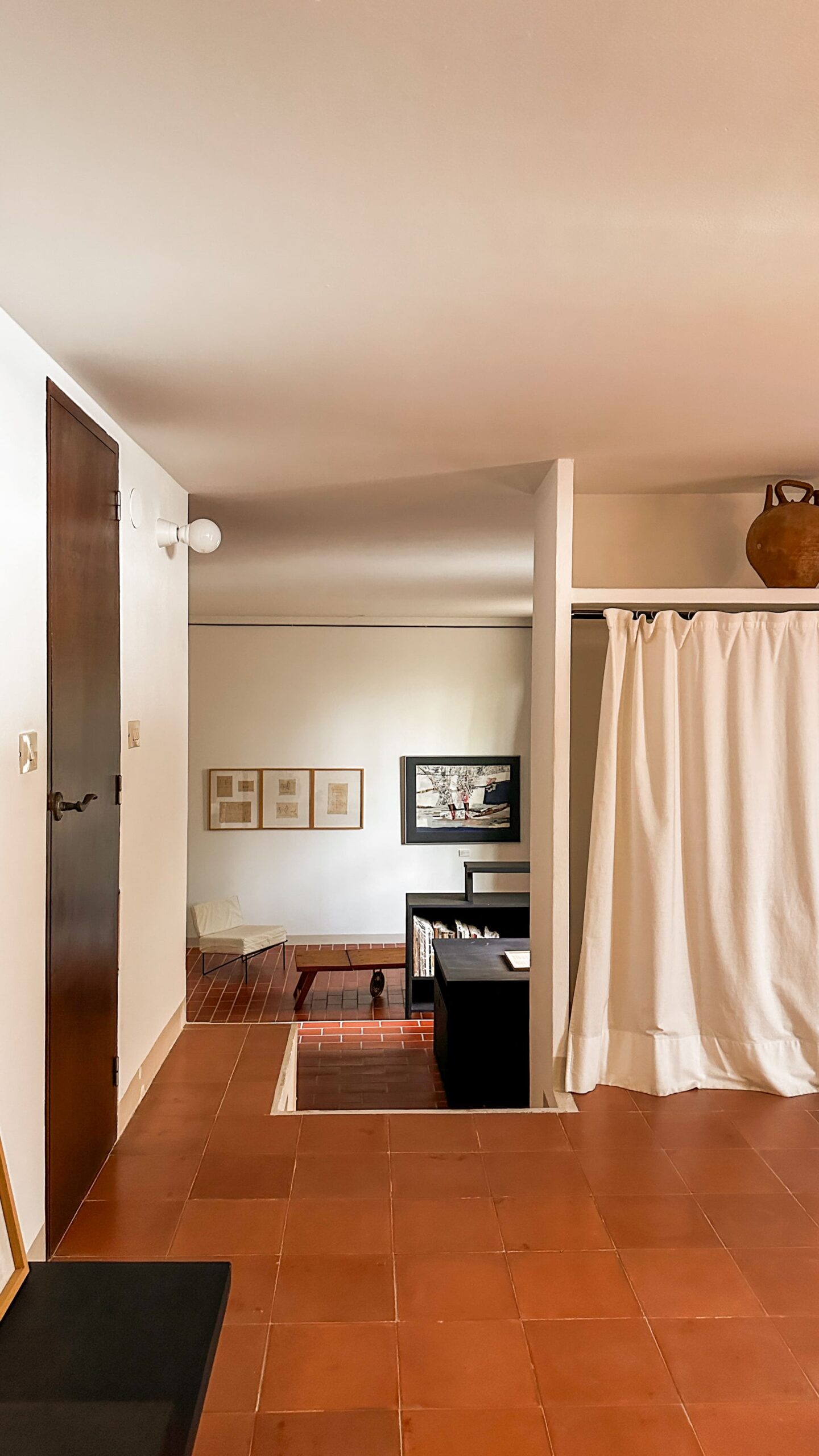
Built between 1959 and 1960 in Dalt Vila, Casa Broner stands as both home and manifesto. Externally, its presence is almost silent, a restrained white ___ volume in dialogue with the historic fabric of Ibiza. nternally, the house unfolds through sequences of terraces, openings, and framed views toward the sea and sky.
The house does not compete with the landscape: it edits it. Windows become devices of light. ___________ Transitions follow the movement of the body and the rhythm of the day. Casa Broner captures an essential idea of that Ibiza moment: living and creating were inseparable.
Notes
Returning to Broner is not nostalgia. It is a way of thinking about the present. Casa Broner and the Ibiza of the 1960s propose a Mediterranean modernity that is quiet, situated, and enduring — an architecture that builds through _____ atmosphere, community, and essential gestures.