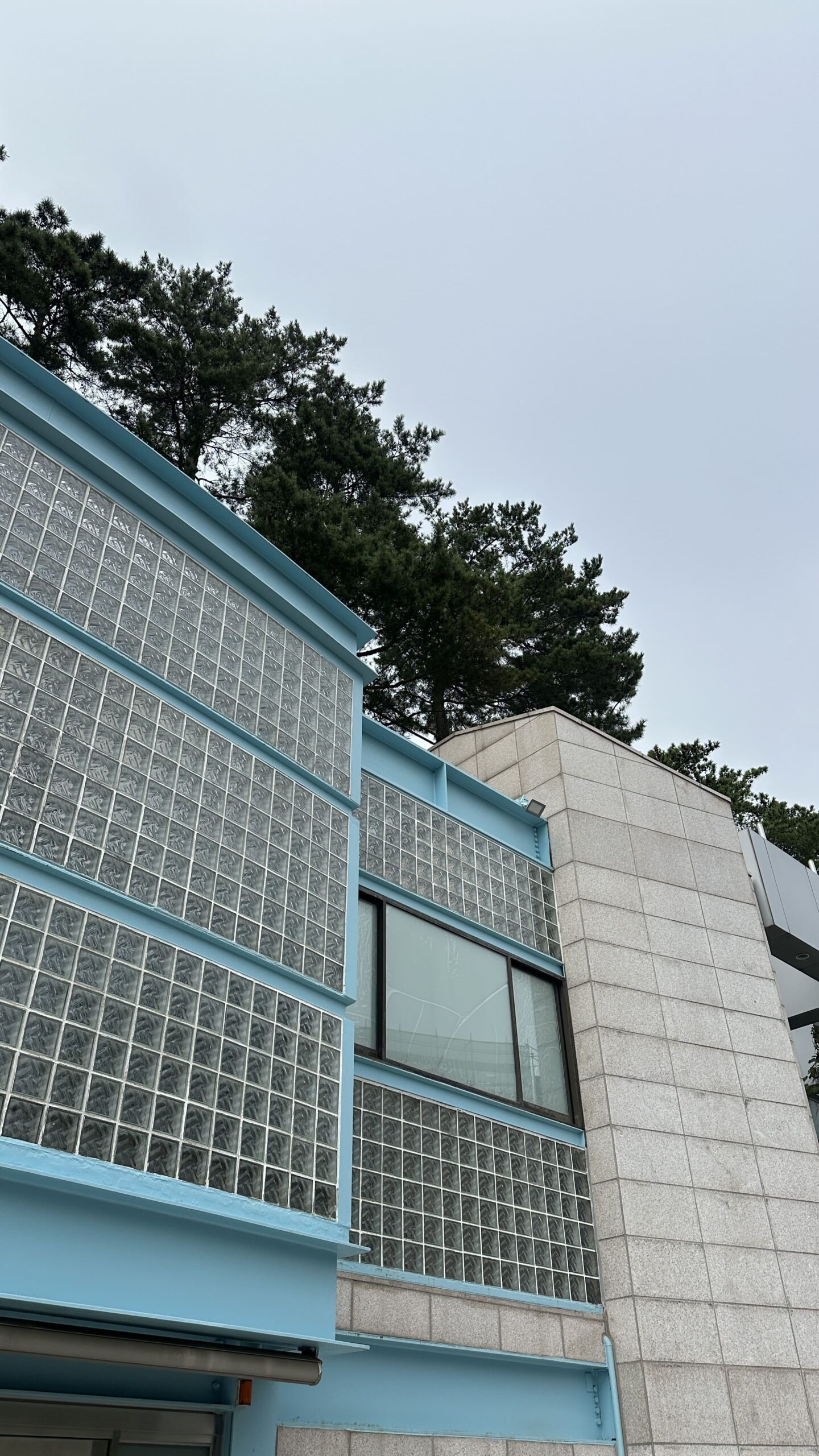
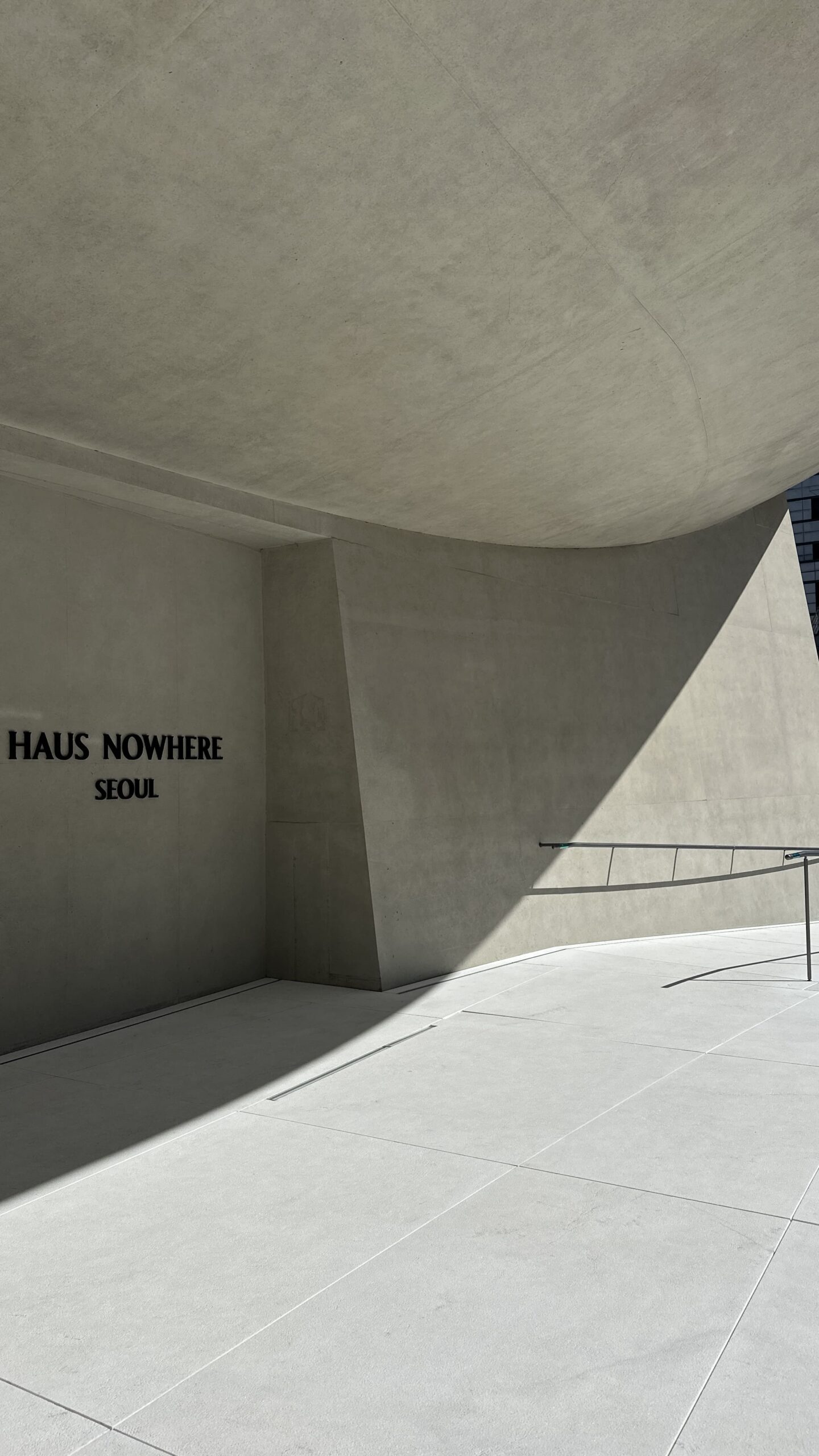
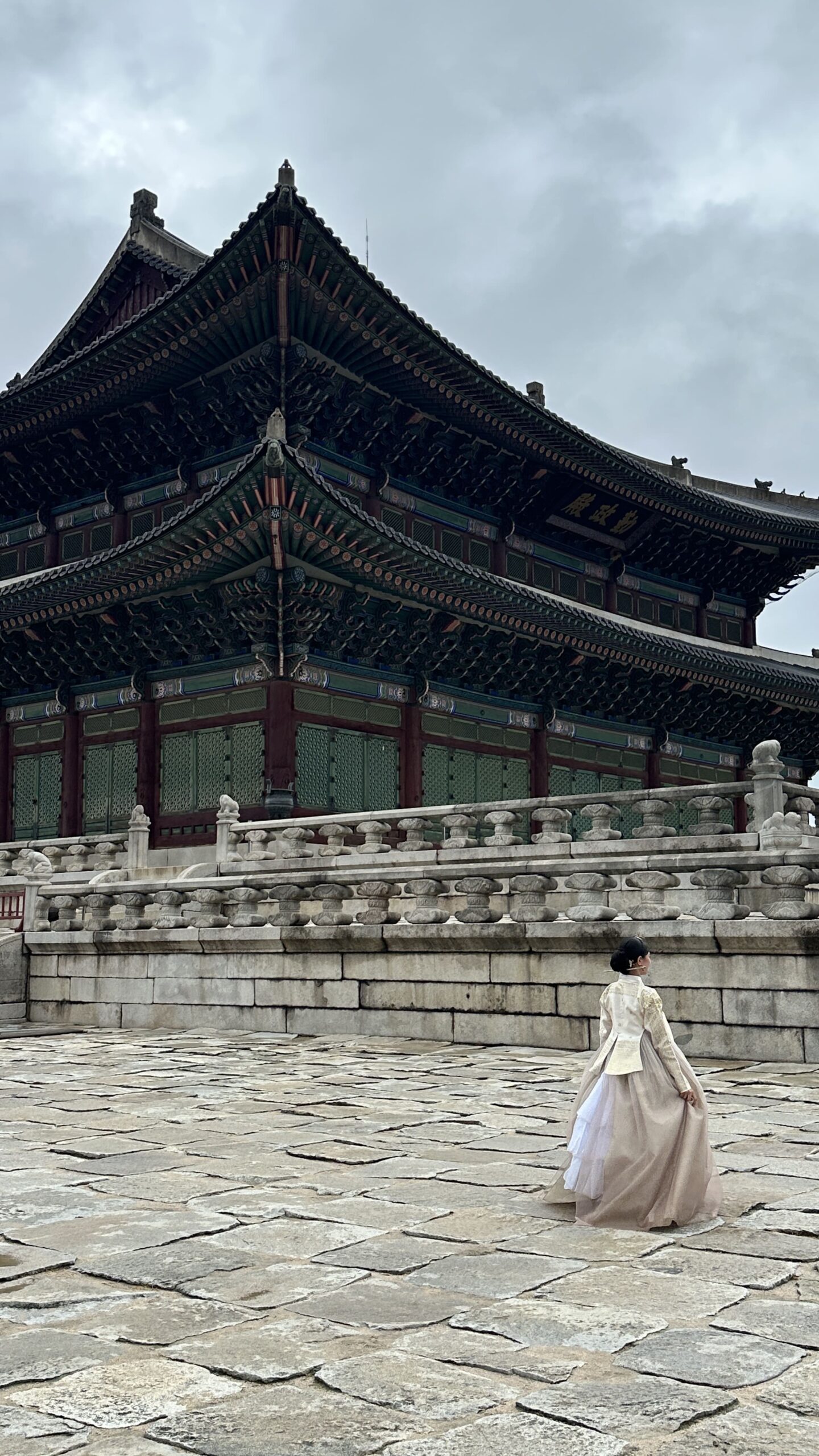
SEOUL, SOUTH KOREA
Seoul feels like multiple cities existing at once.
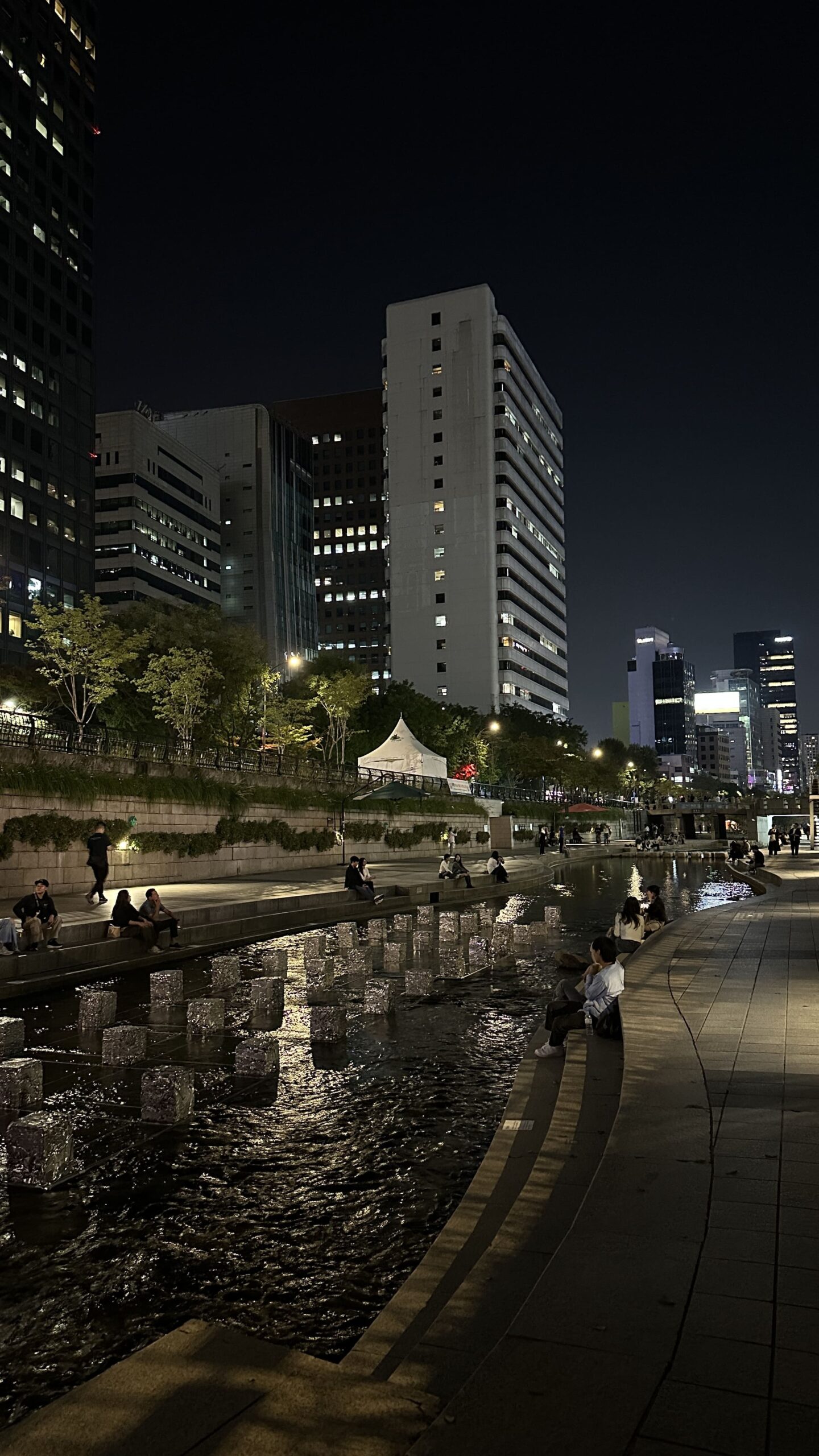
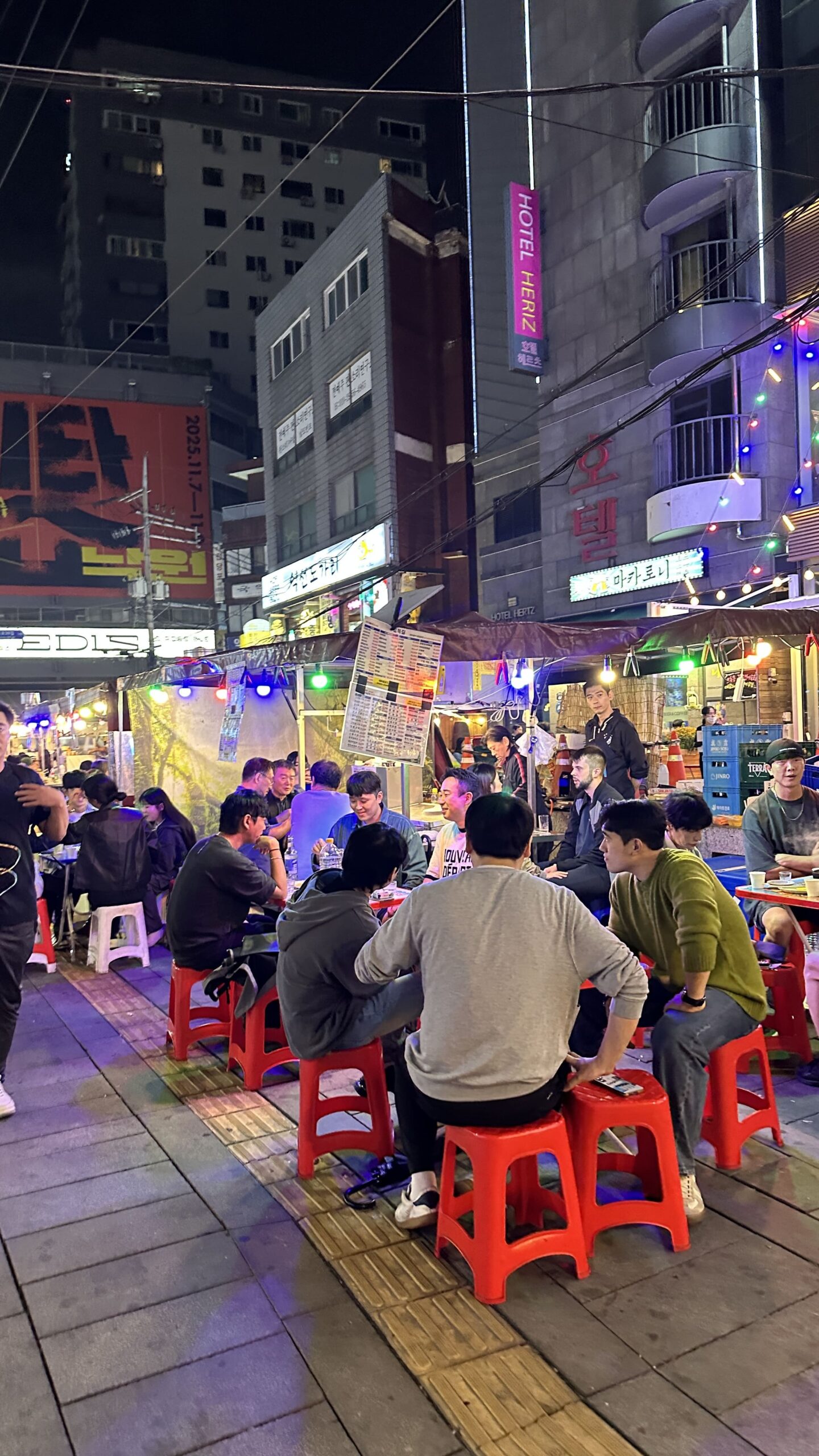
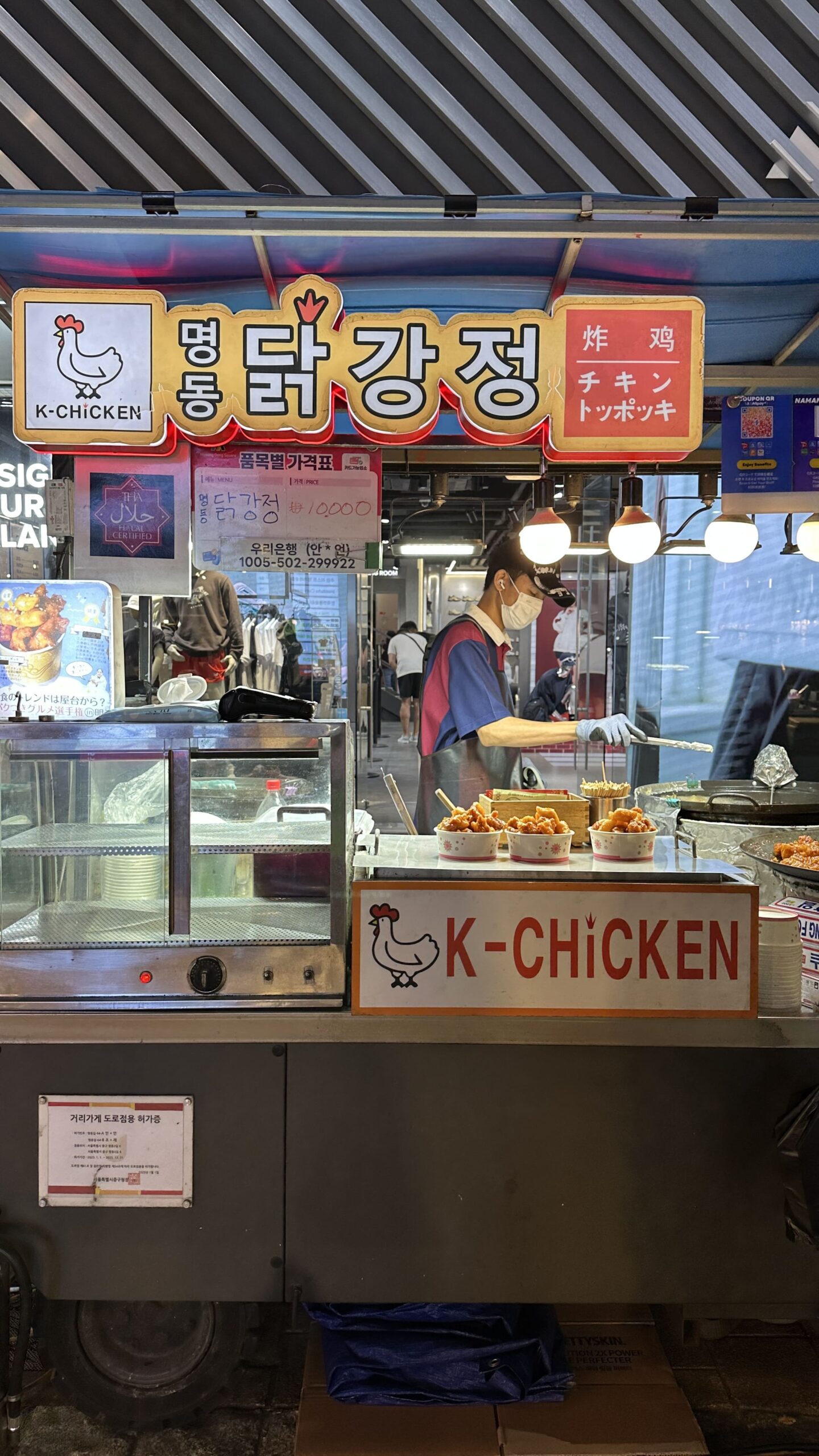
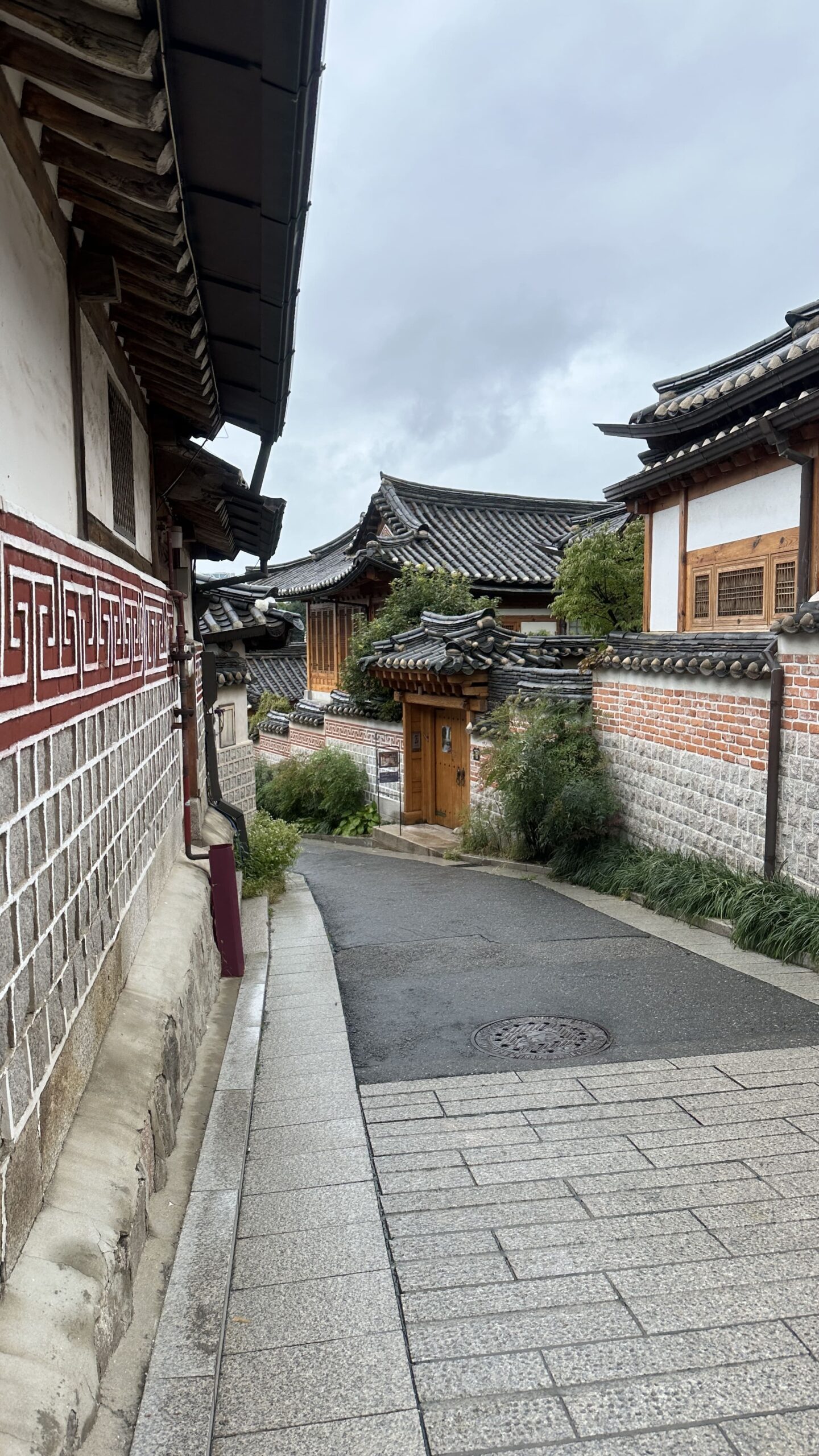
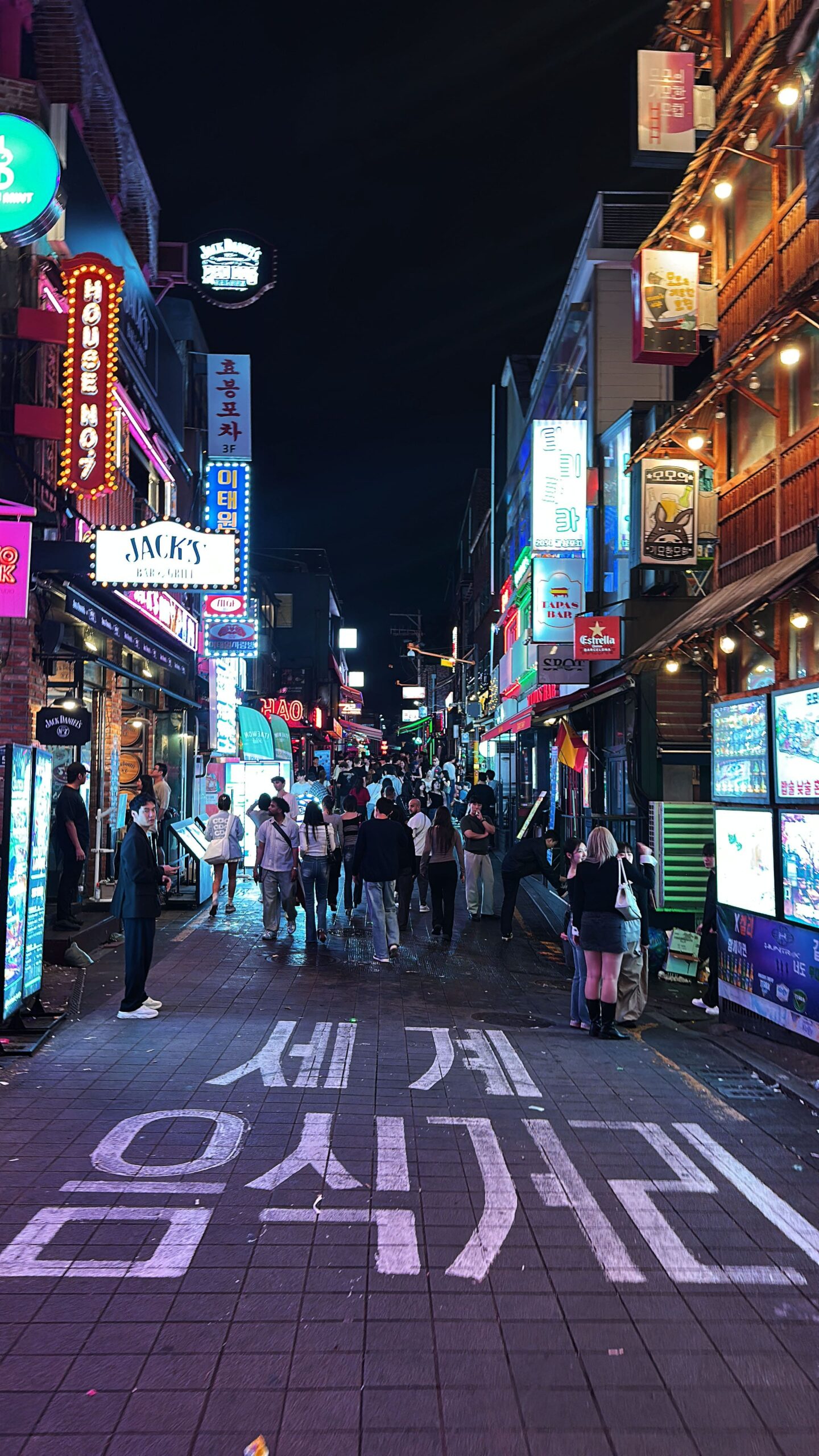
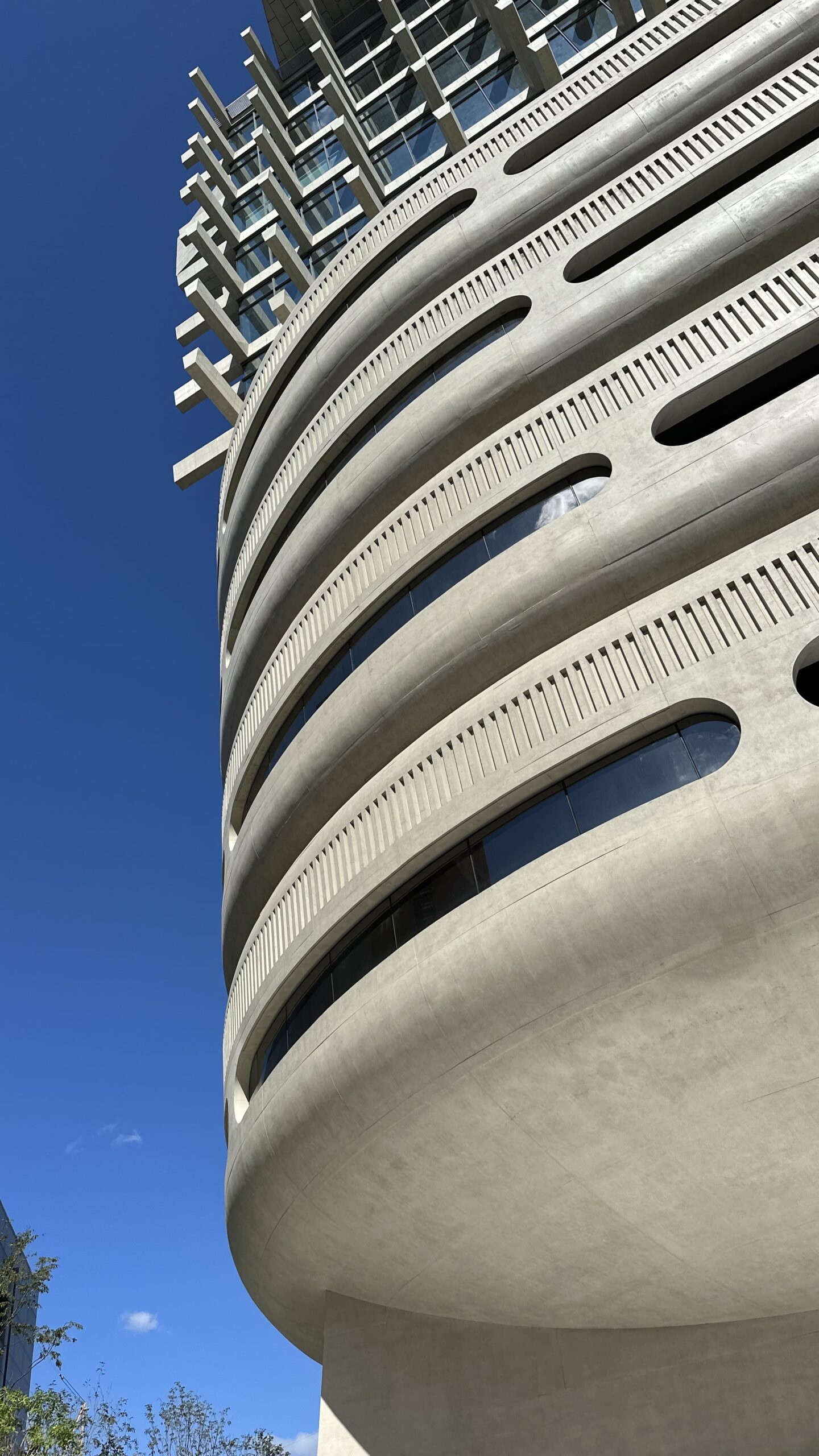
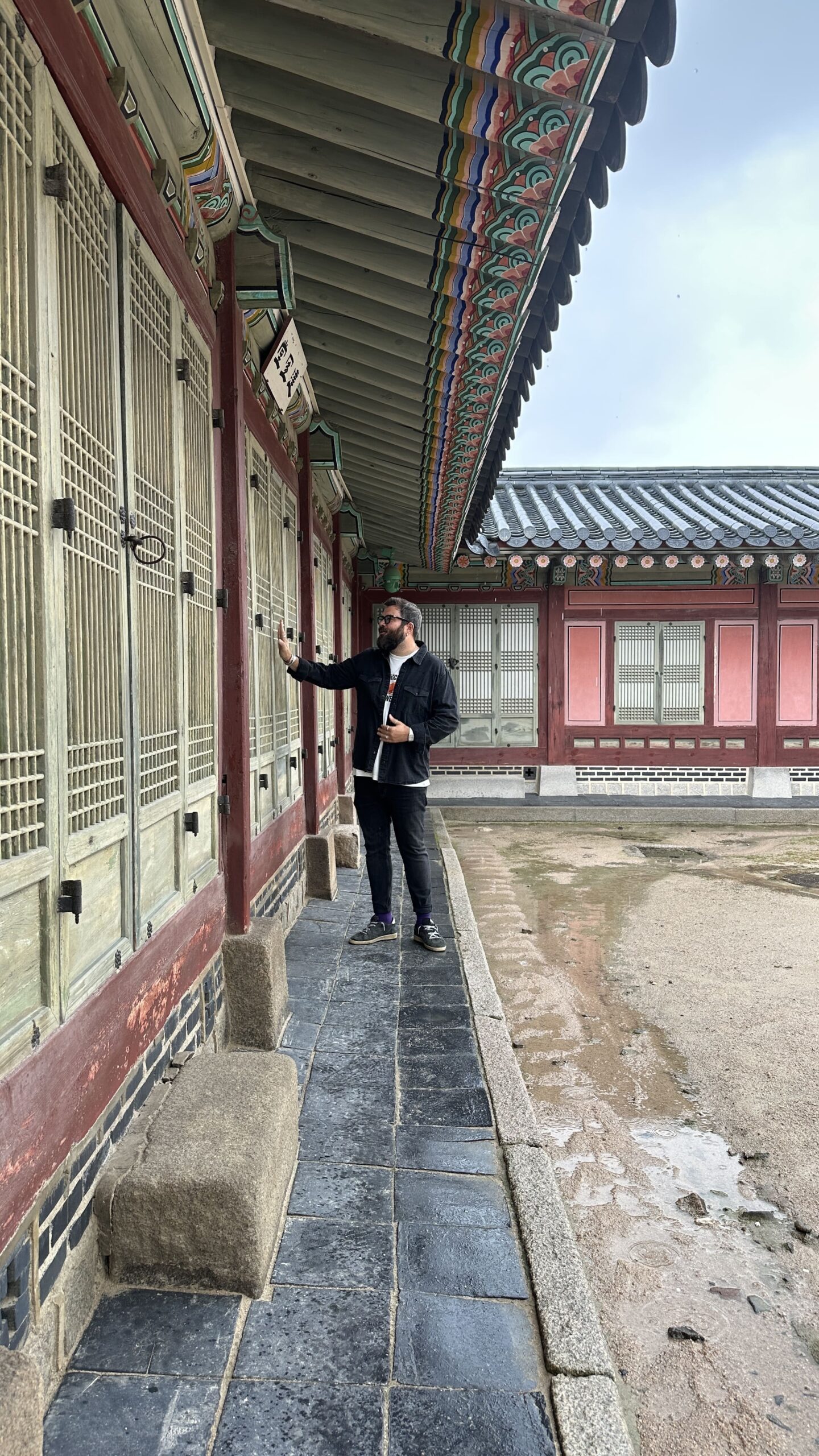
A place where centuries-old palaces coexist with endless cables, concrete curves, glowing convenience stores, hidden hanoks and neon-lit streets that never fully sleep. _____ Throughout the trip, we constantly found ourselves moving between opposites: chaos and calm, tradition and futurism, rain and artificial light, intimacy and scale.
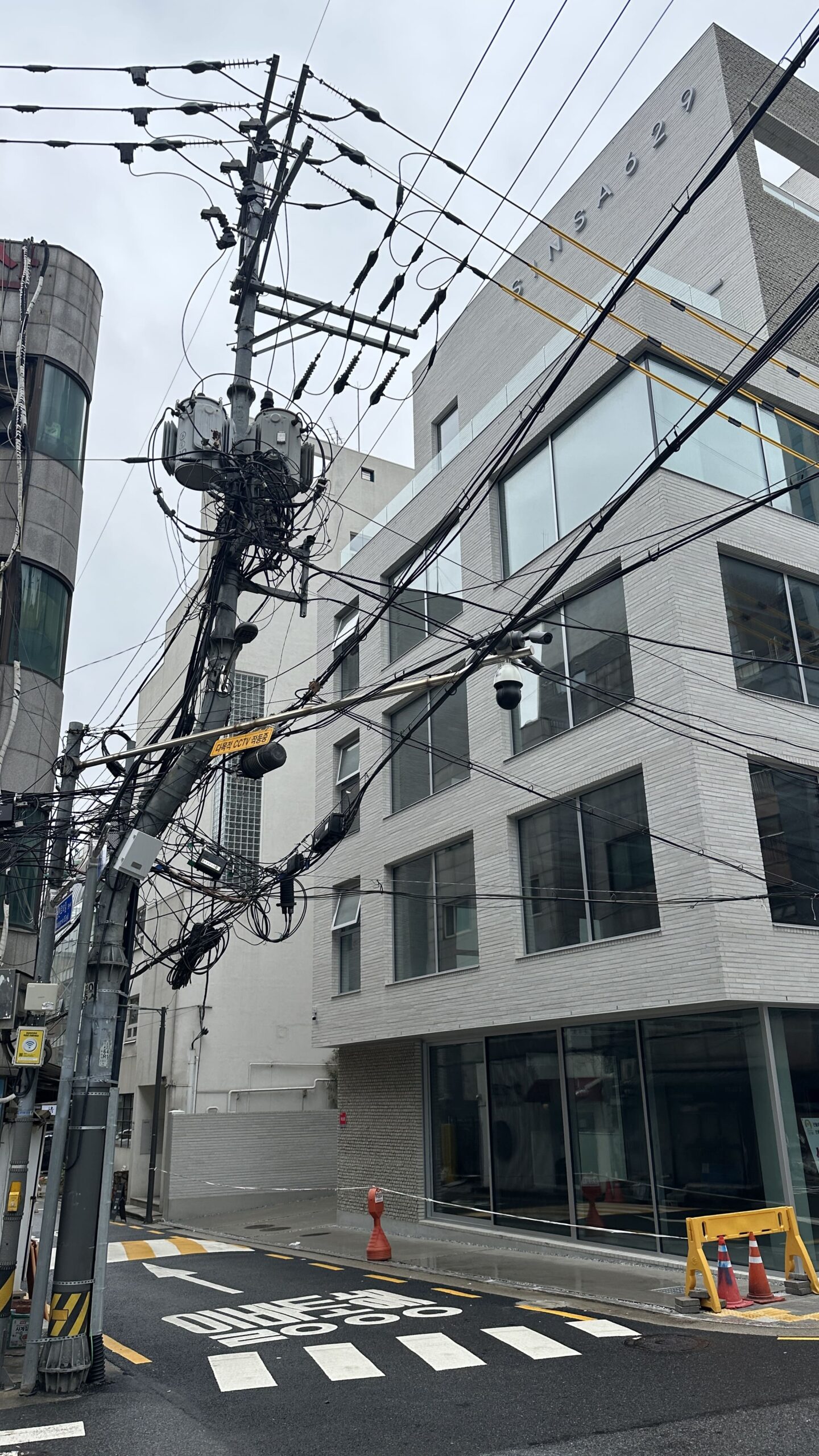
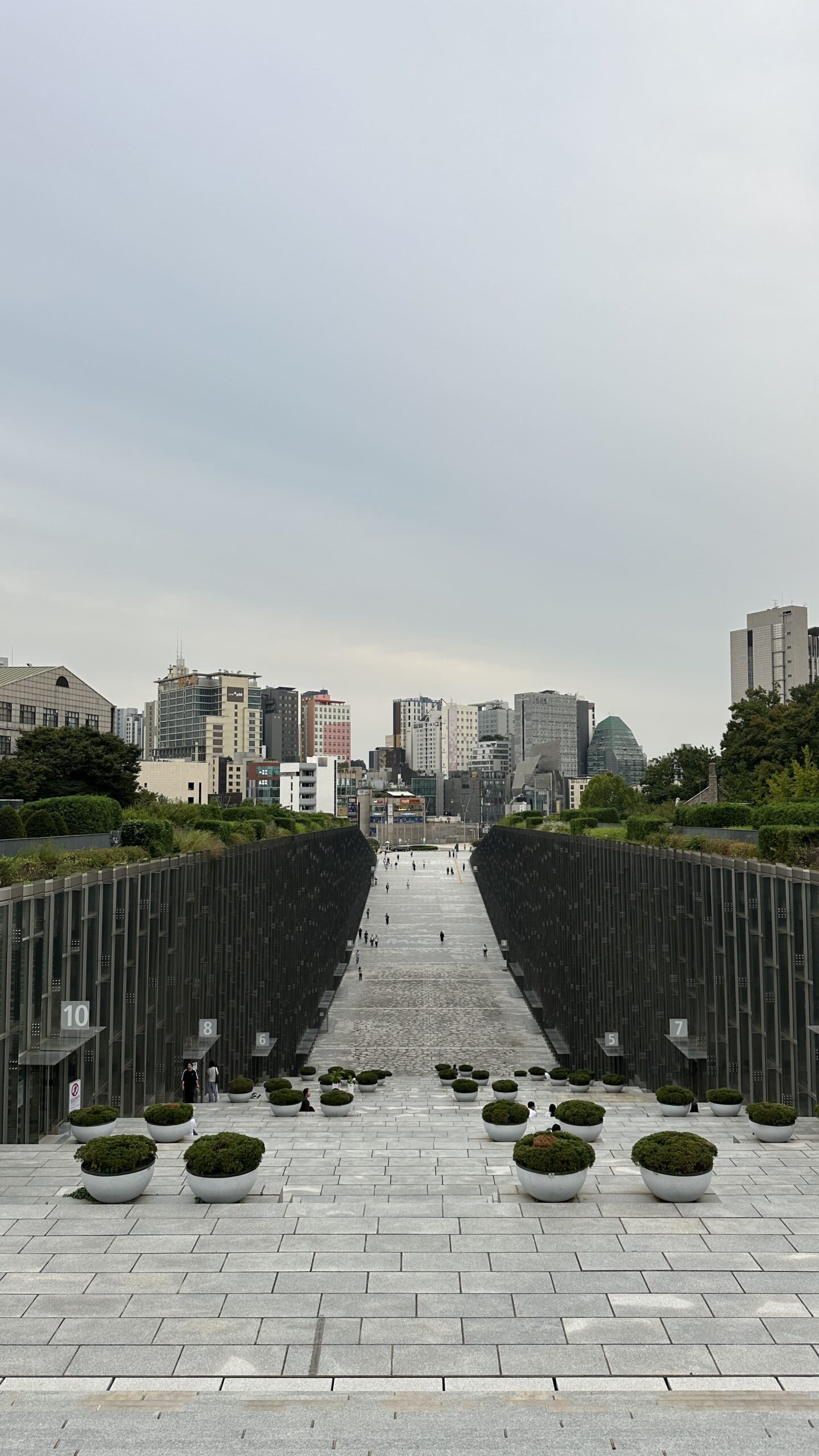
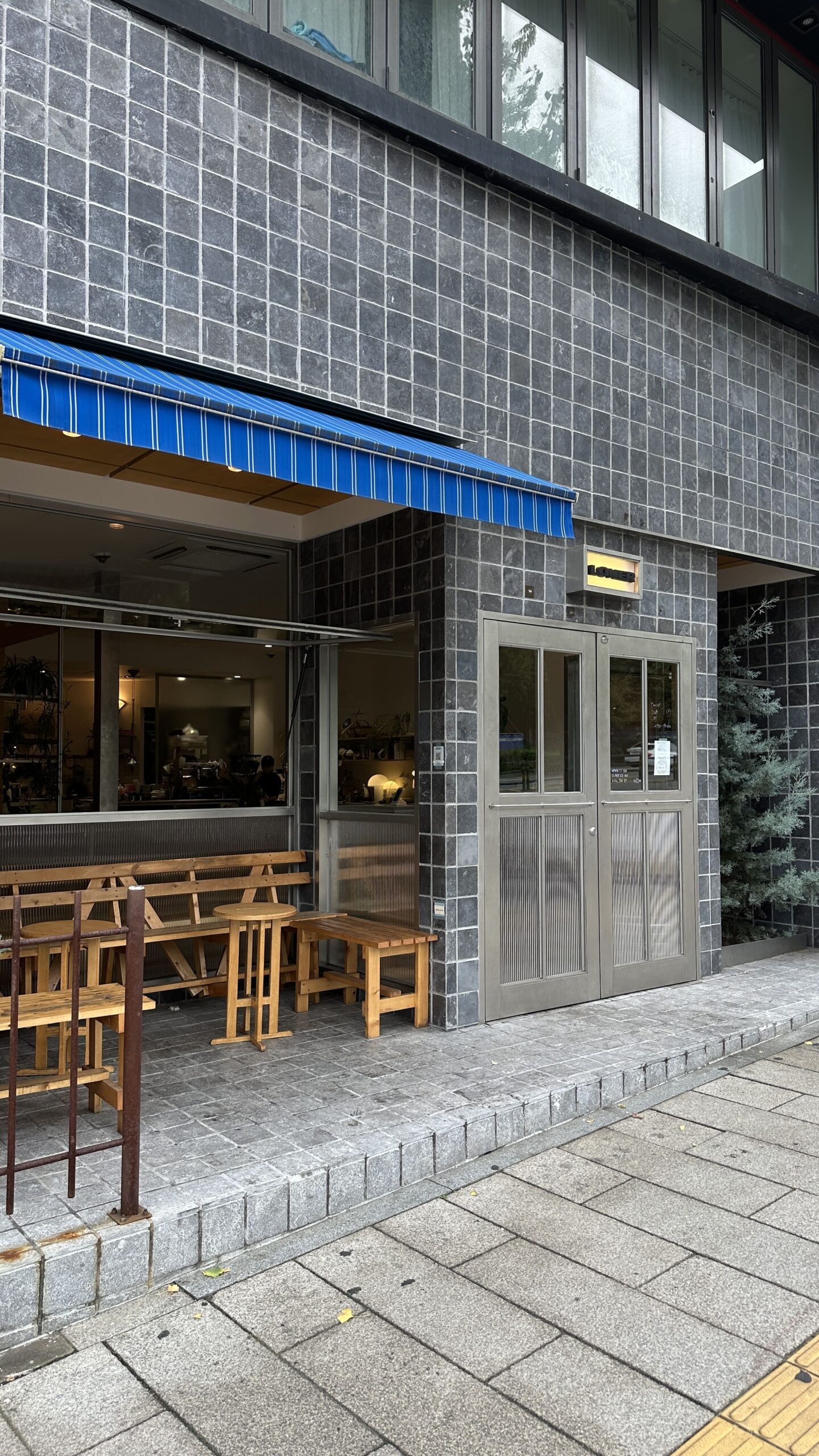
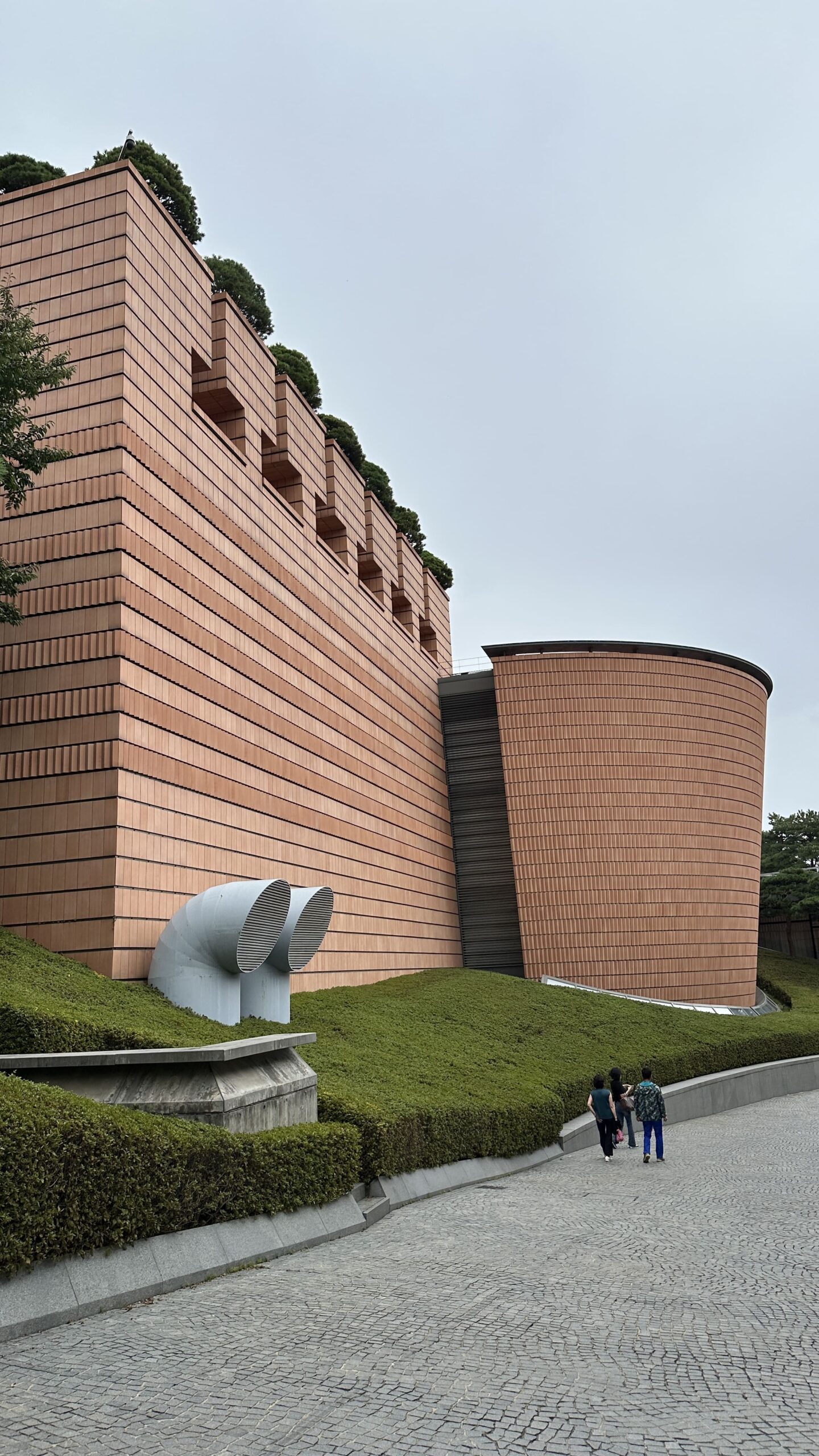
What interested us most was not the postcard version of the city, but the tension between textures, rhythms and atmospheres. The quietness of Bukchon after the rain. _________ The overwhelming density of electric wires crossing minimalist facades. The stillness of traditional architecture against the velocity of contemporary Seoul.
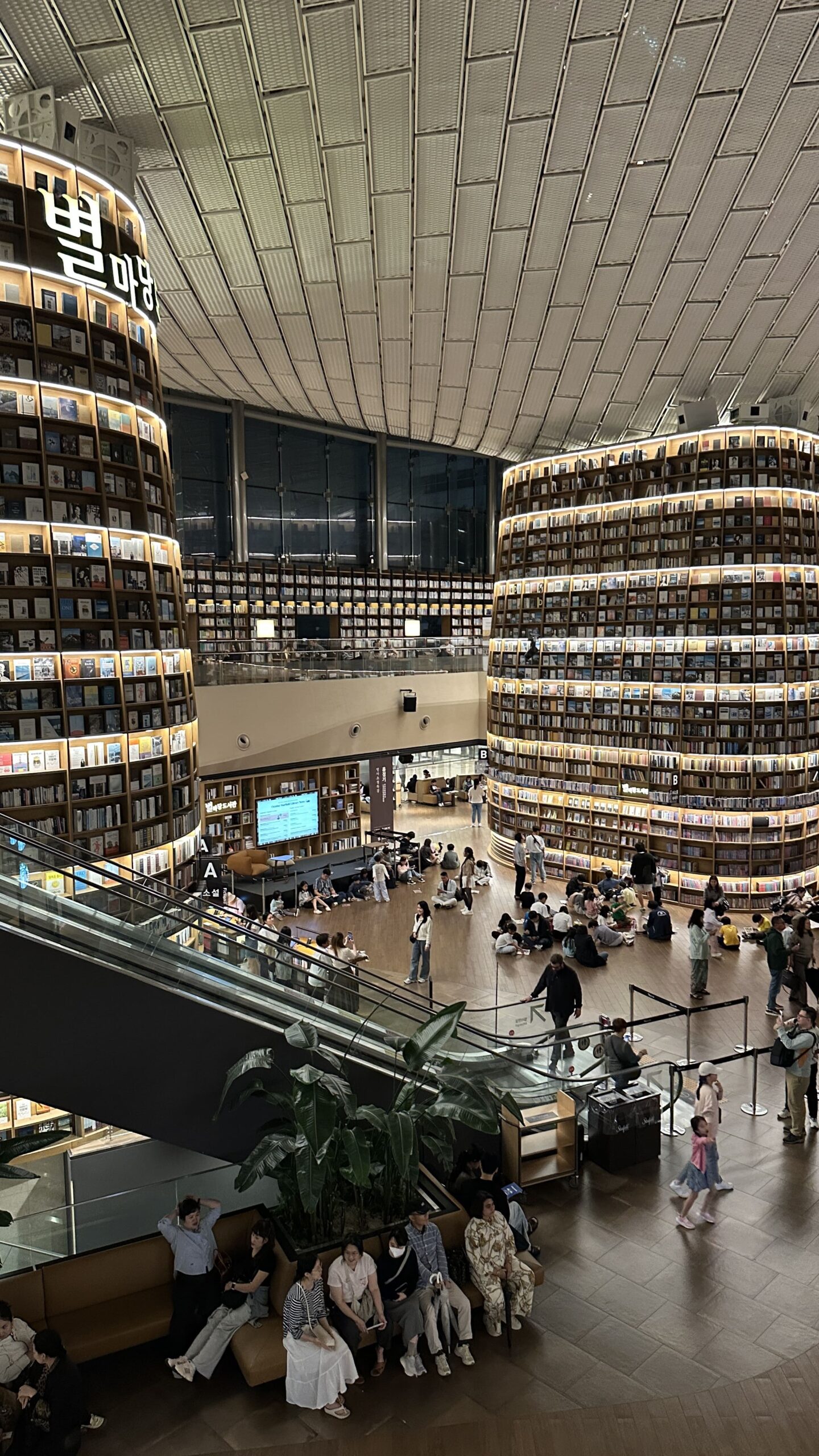
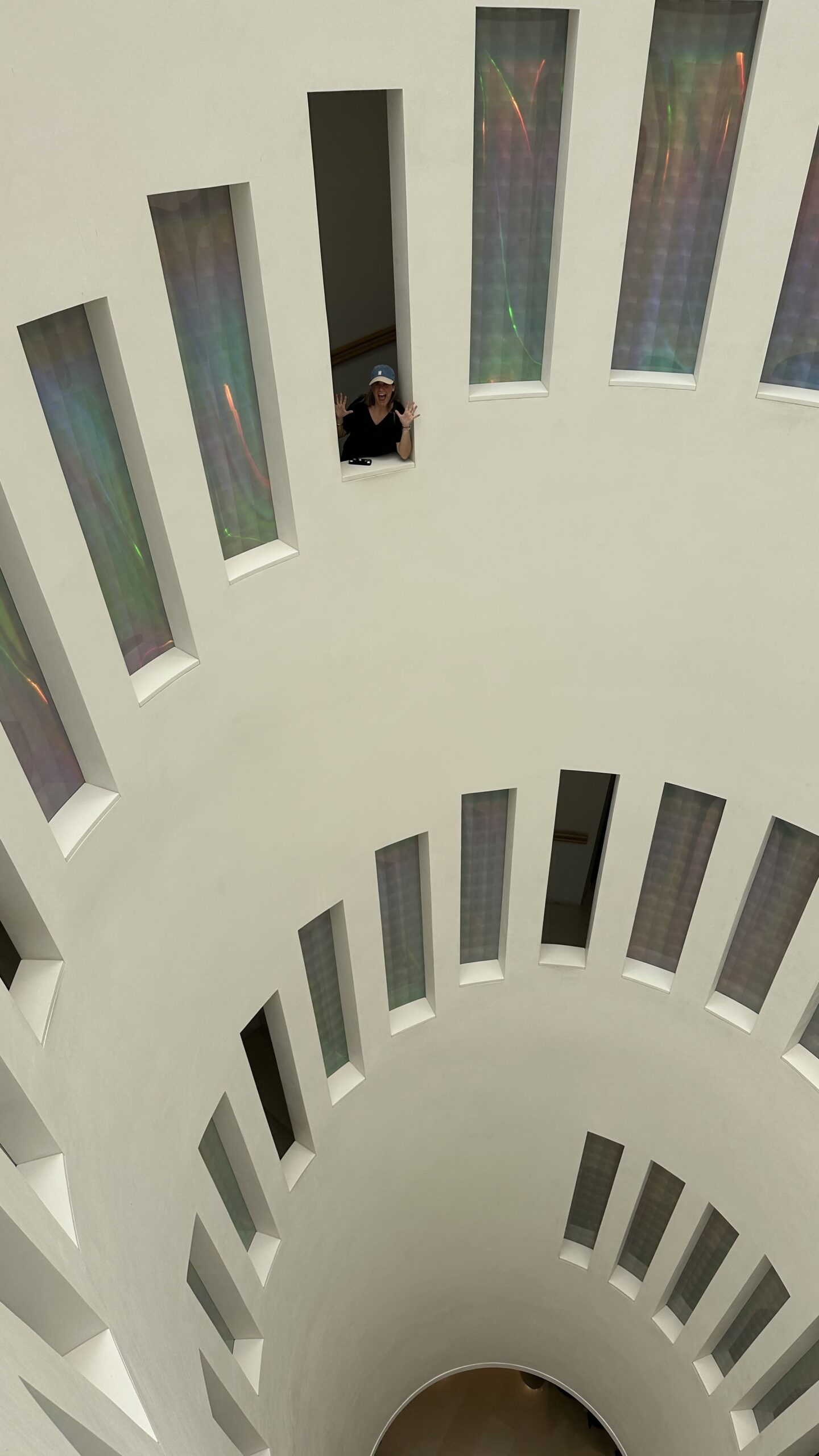
As architects and designers, we were particularly drawn to the way the city balances intensity with restraint. Beneath its fast-paced and hyper-commercial surface, ________ Seoul continuously reveals moments of silence, softness and contemplation.
What makes the city especially fascinating is that these contrasts never seem forced or resolved. Tradition is not preserved as nostalgia, _____ and futurism does not feel detached from everyday life. Instead, both coexist naturally, shaping a city that feels constantly evolving while remaining deeply rooted in its identity.
Perhaps that is what stayed with us most after visiting Seoul: the idea that cities do not need to choose between past and future, density and intimacy, technology and _____________ humanity. The most interesting urban environments are often the ones capable of holding contradiction without losing coherence.
These photographs are less about documenting places and _____ more about capturing the emotional contrast of the city, a Seoul suspended somewhere between memory and modernity.